

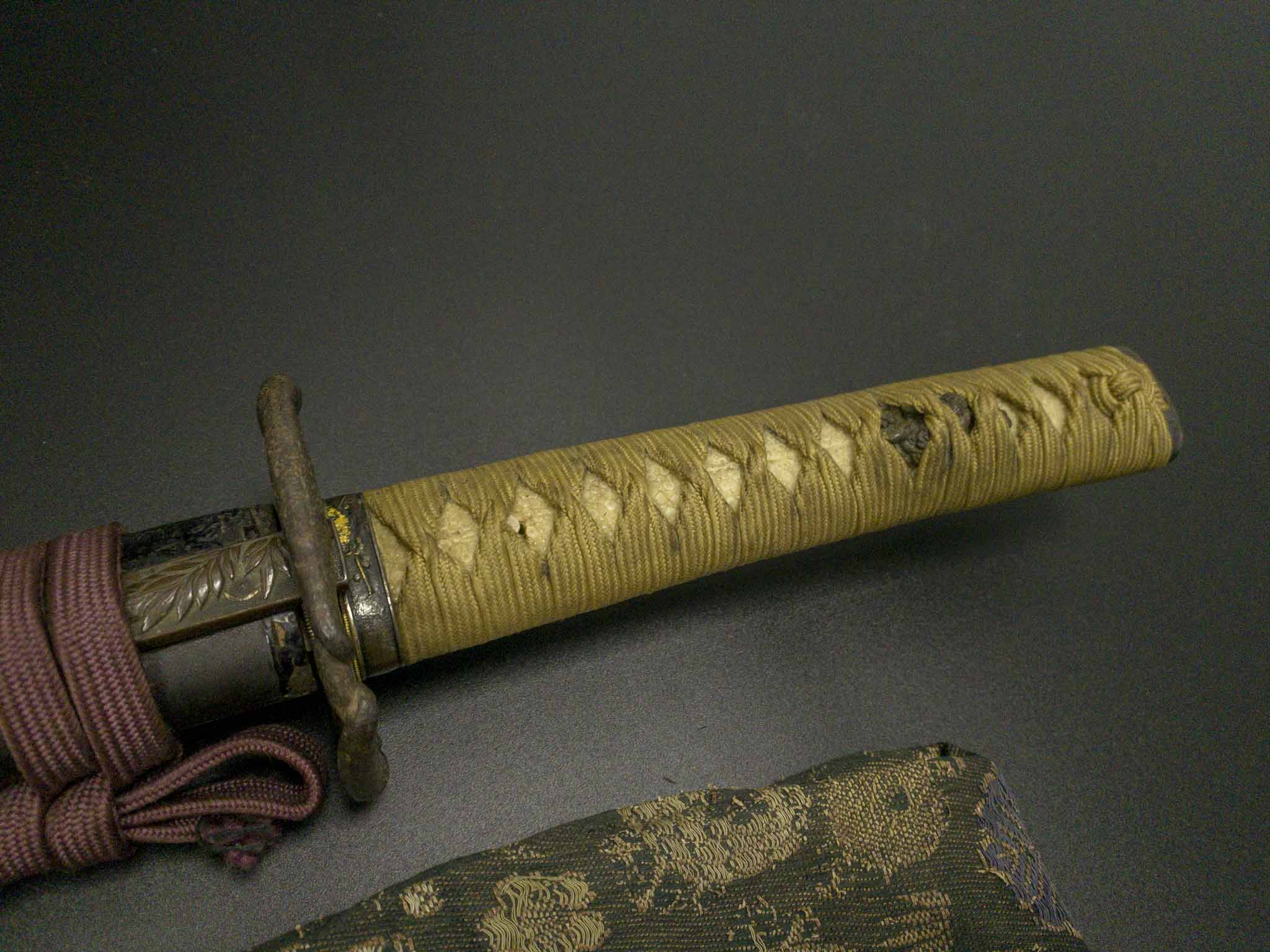
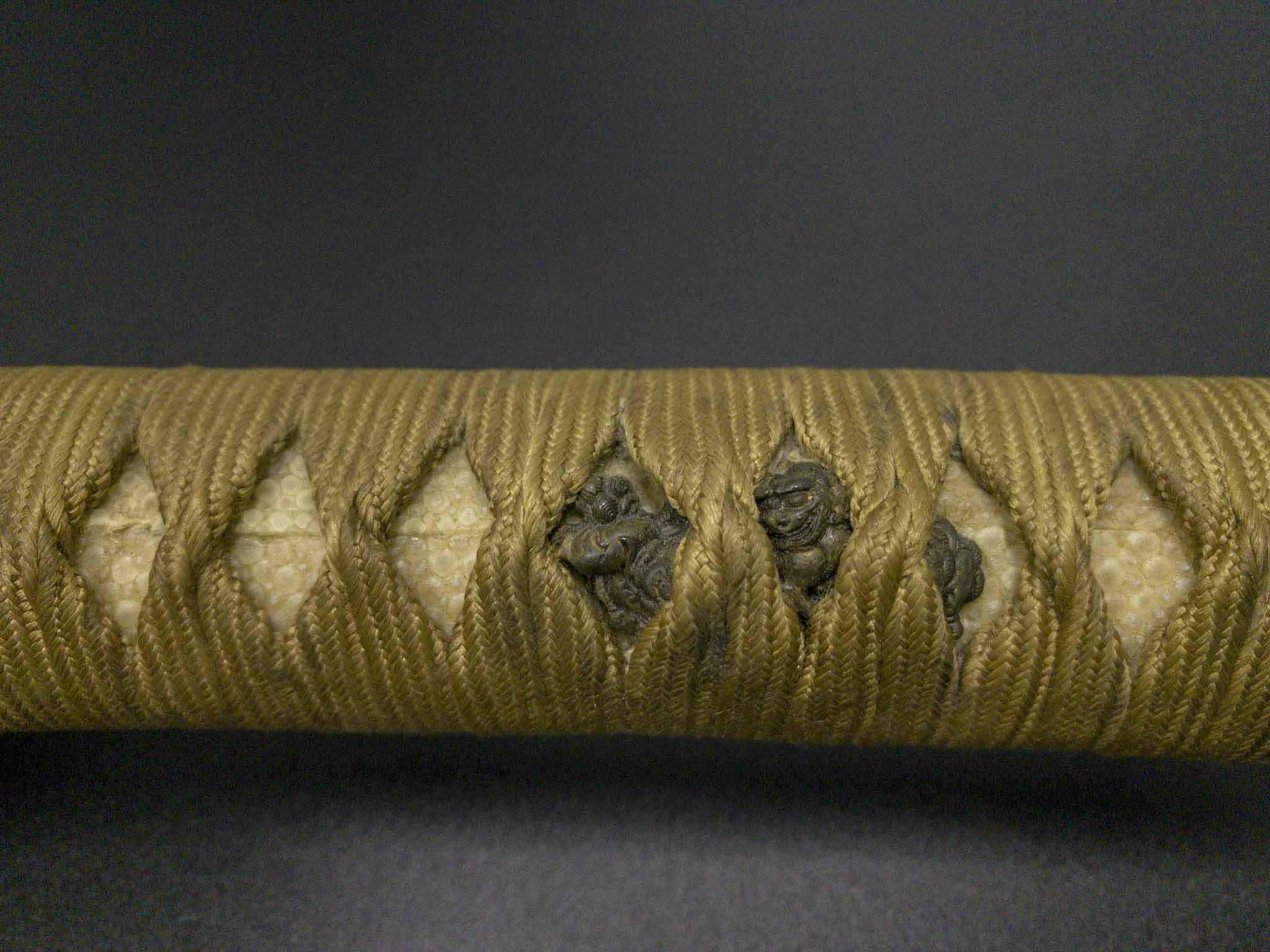
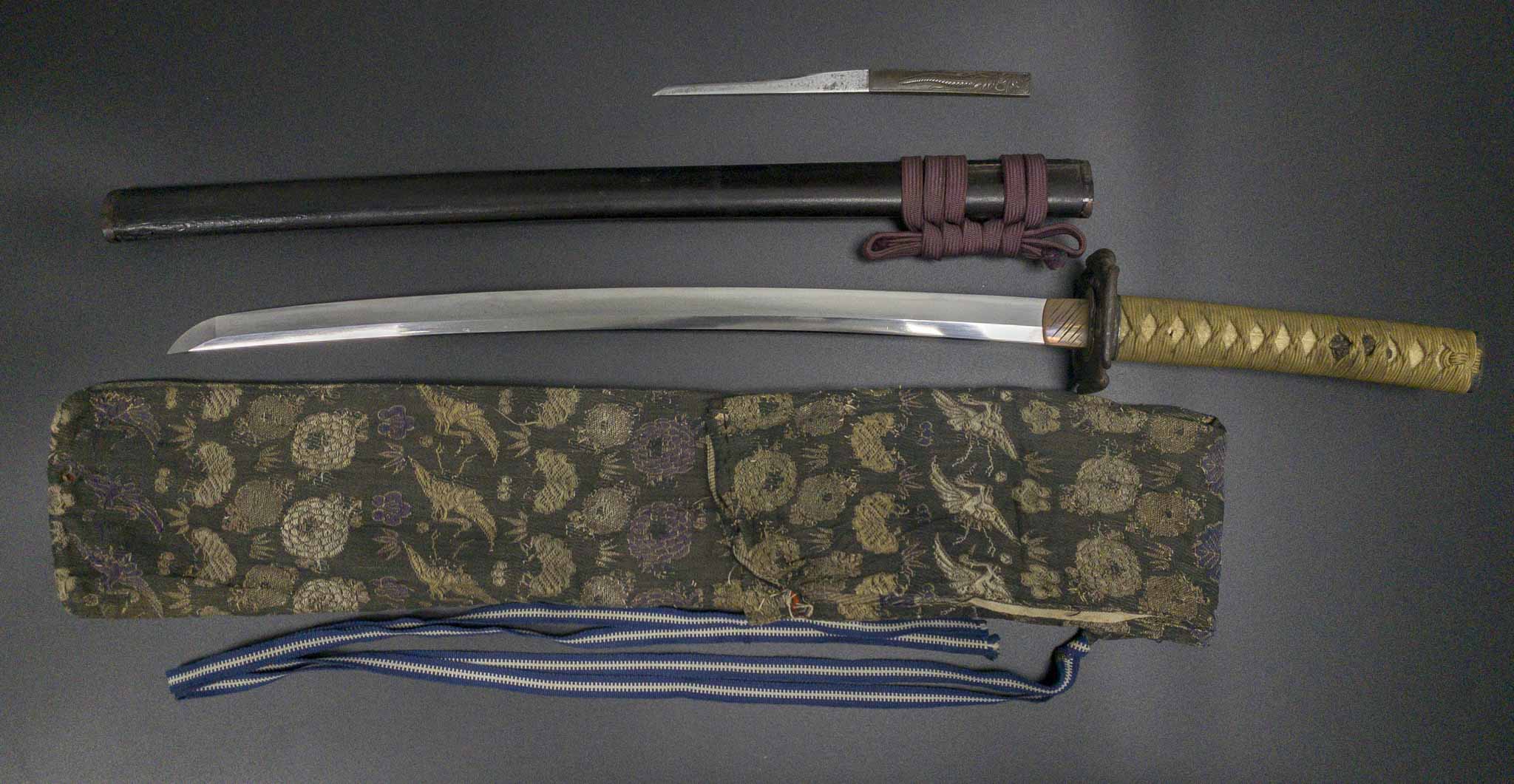
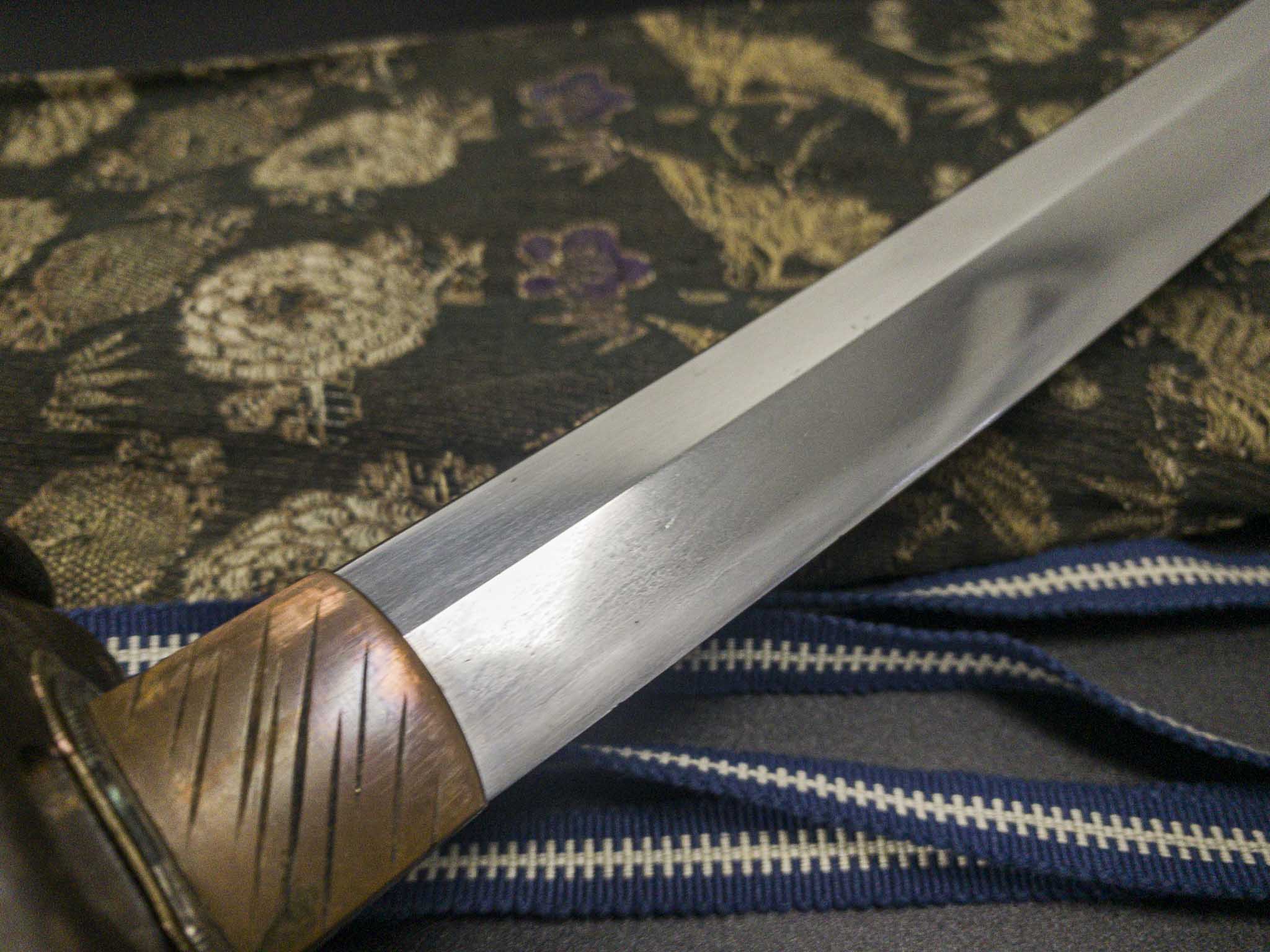
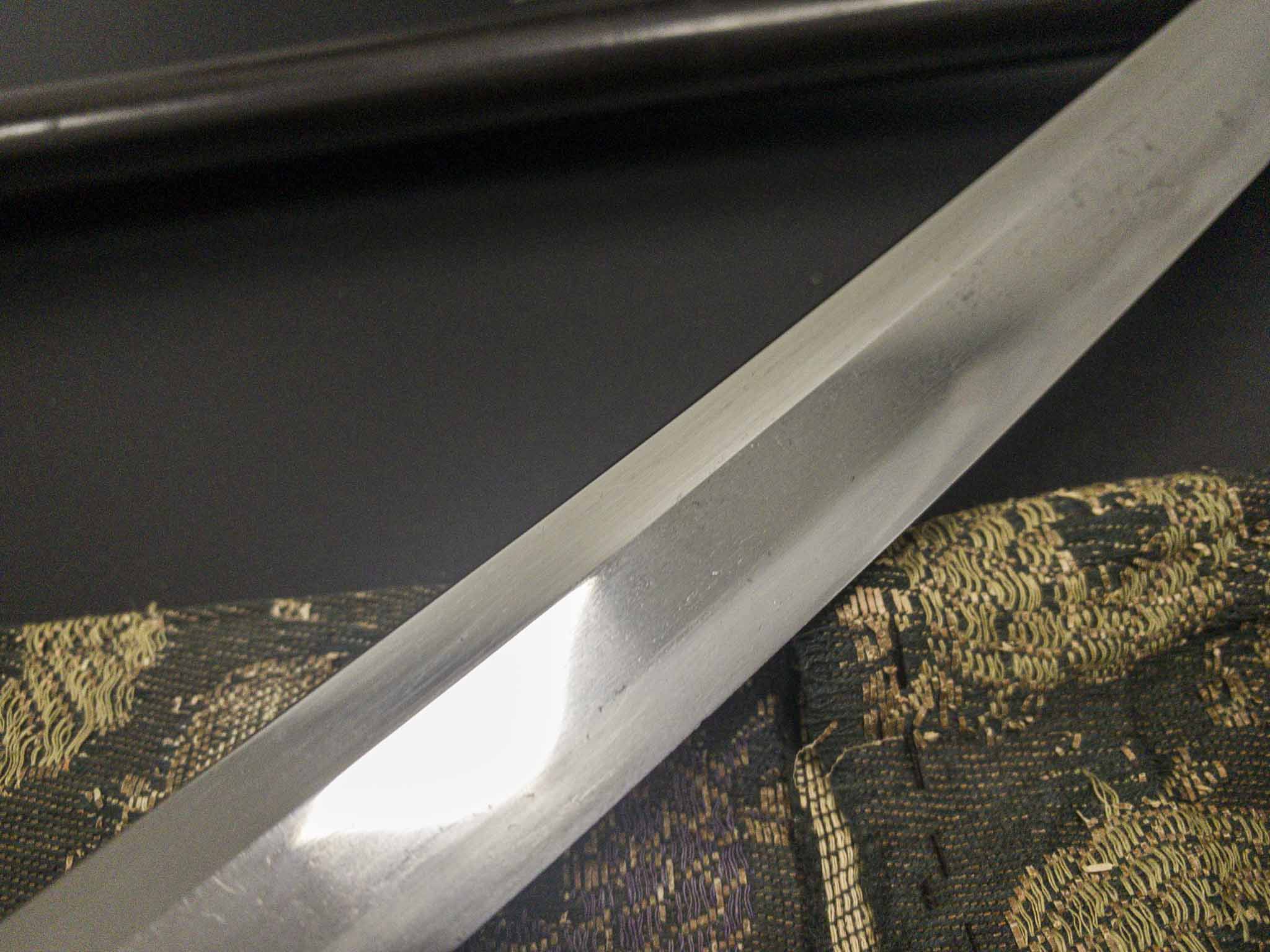
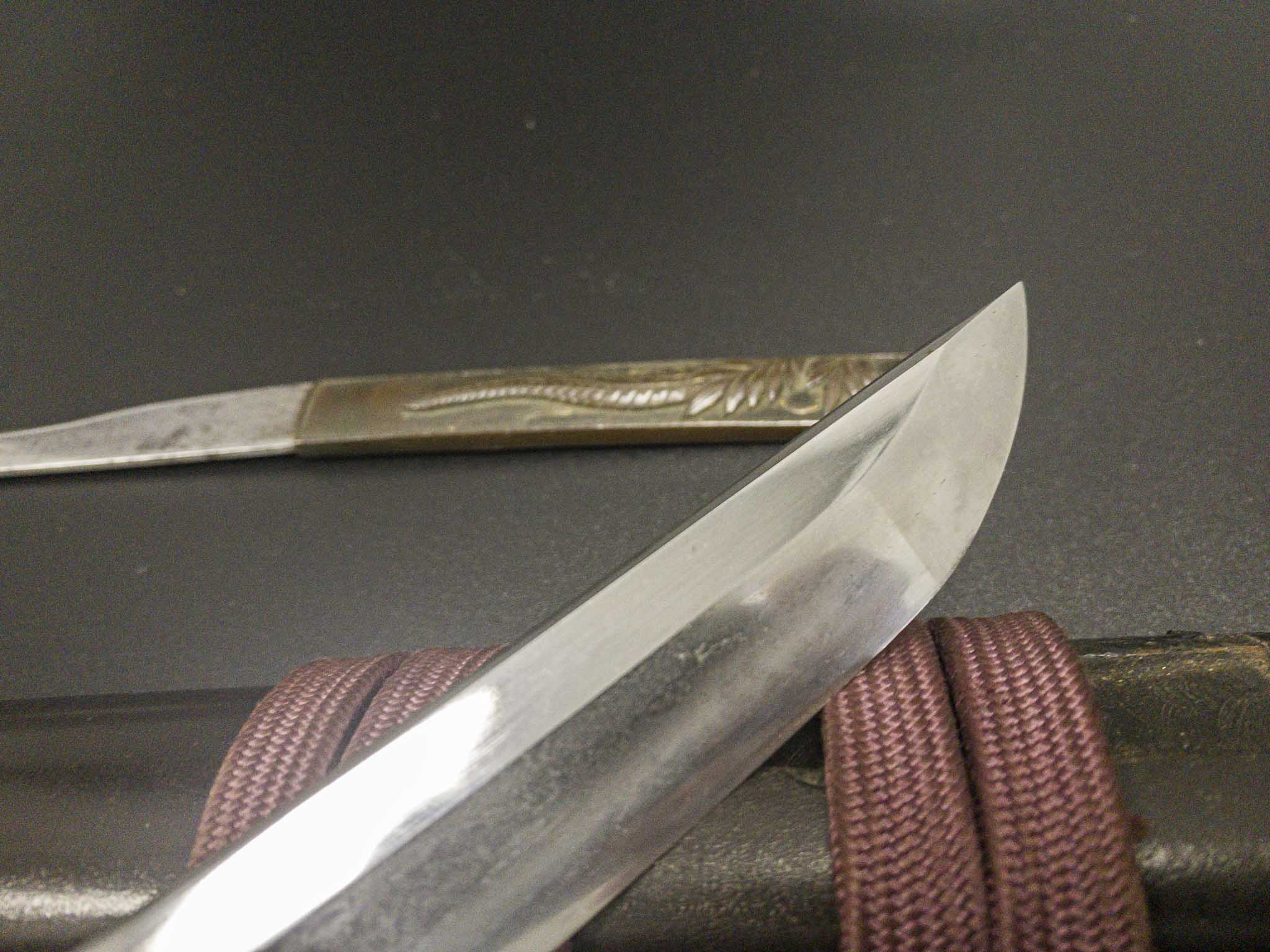
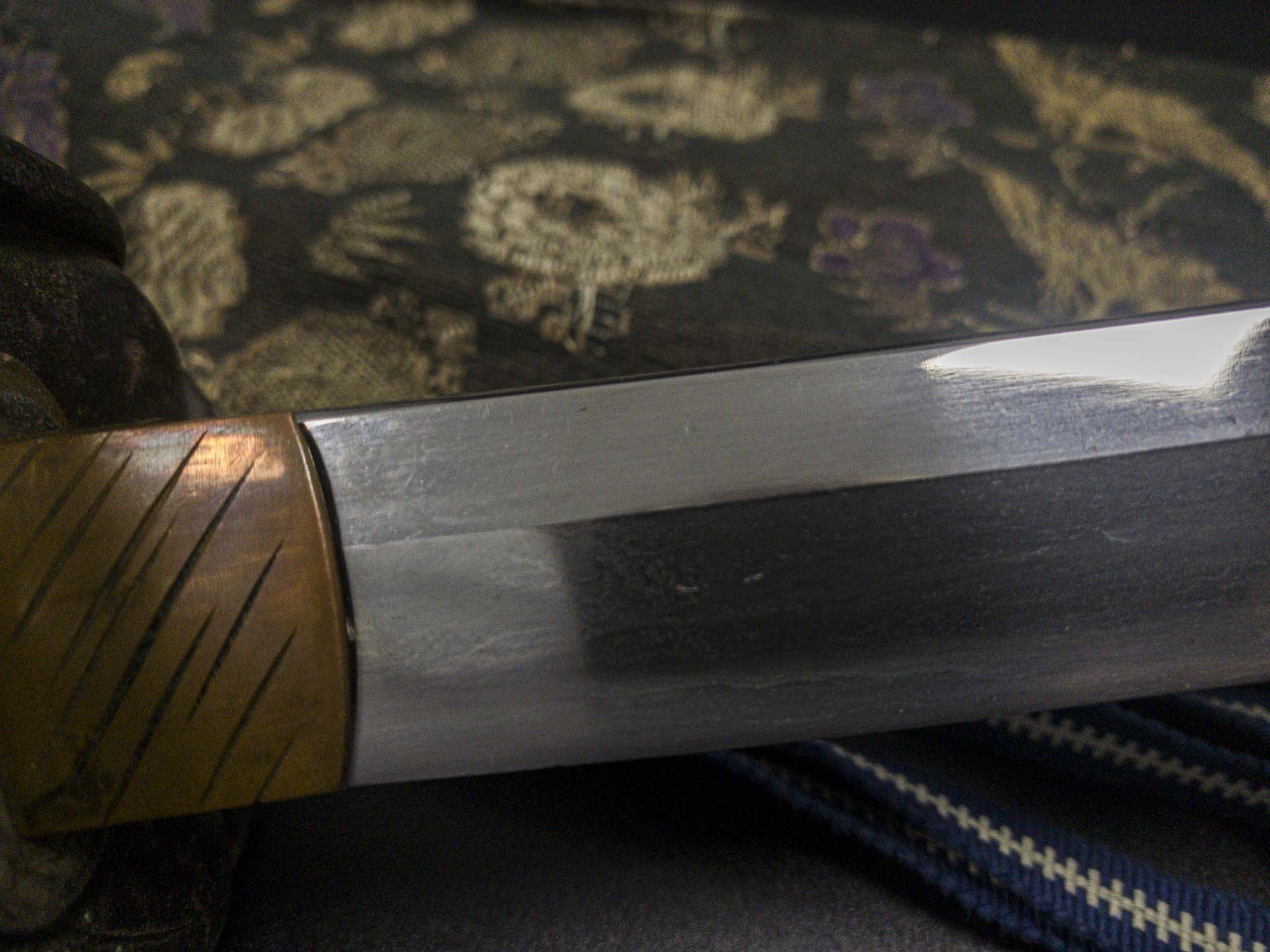
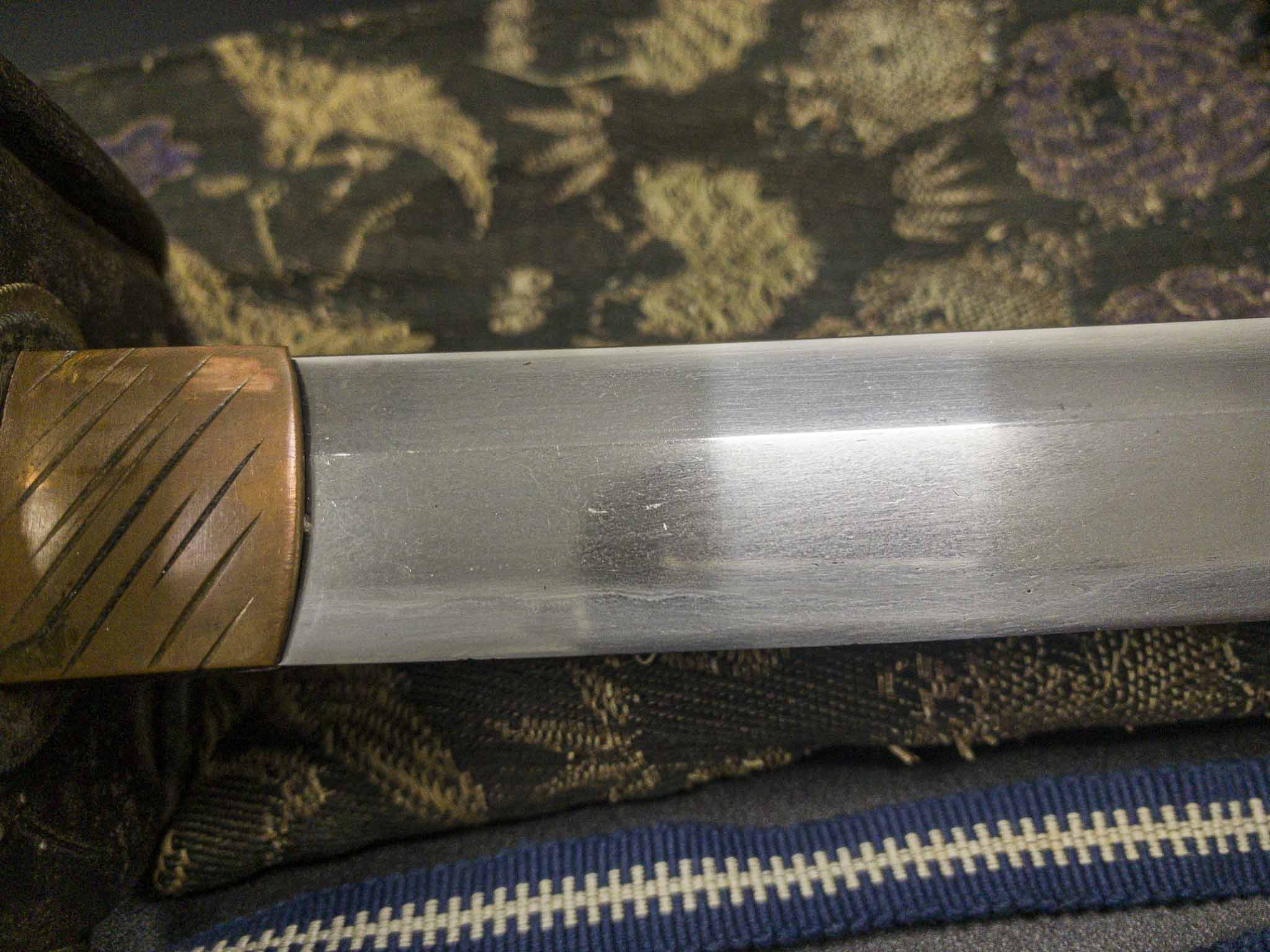
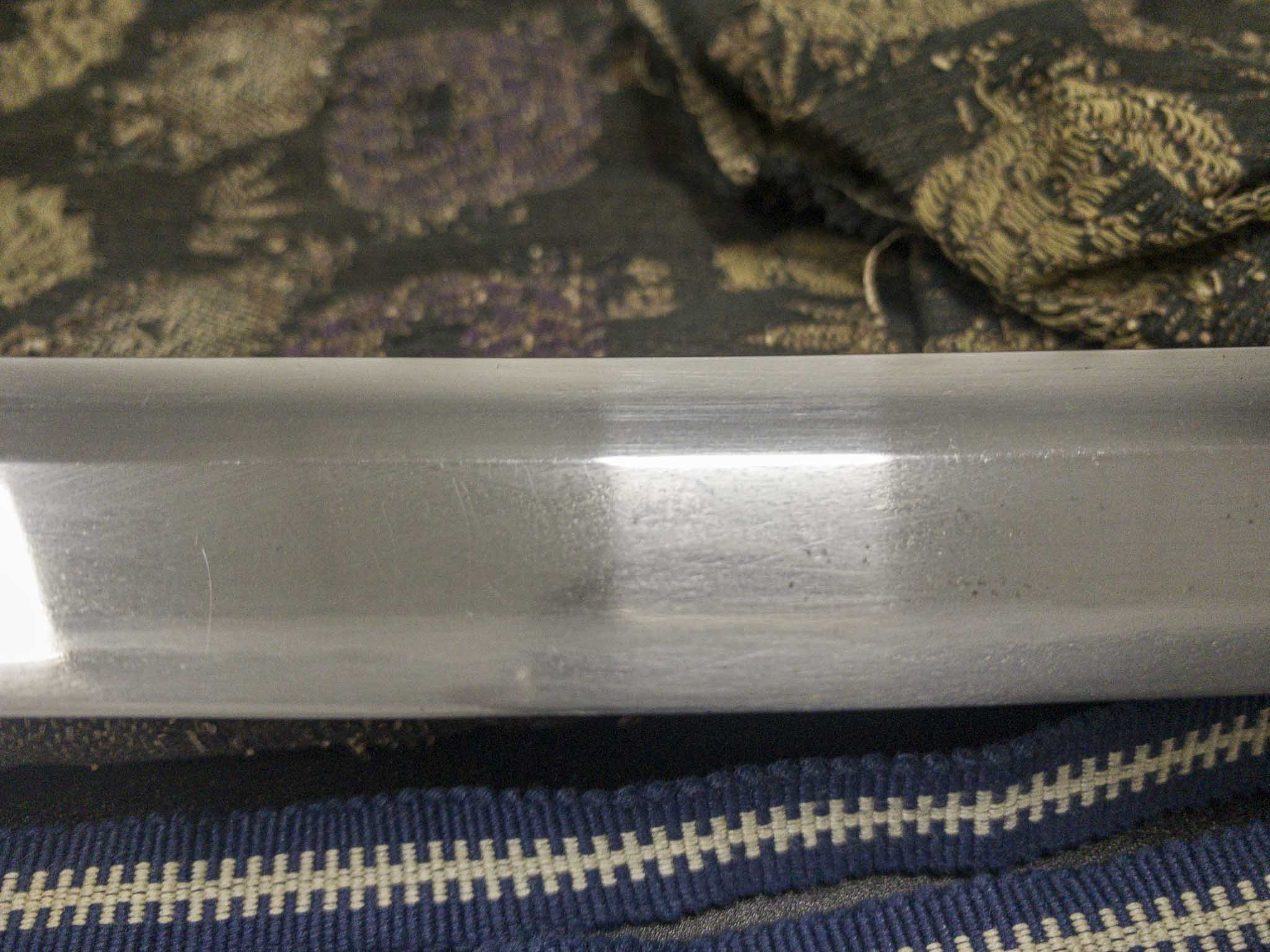
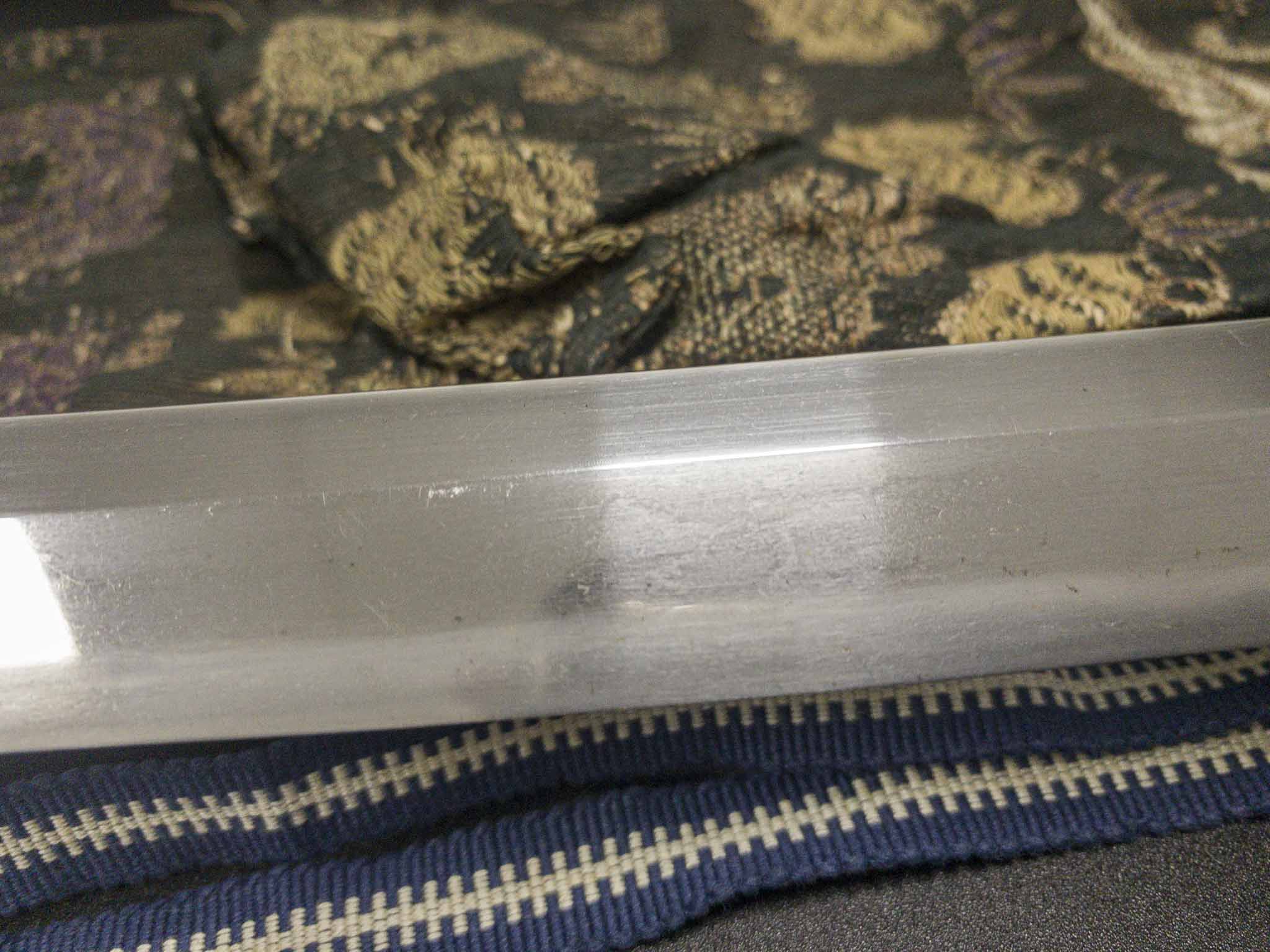
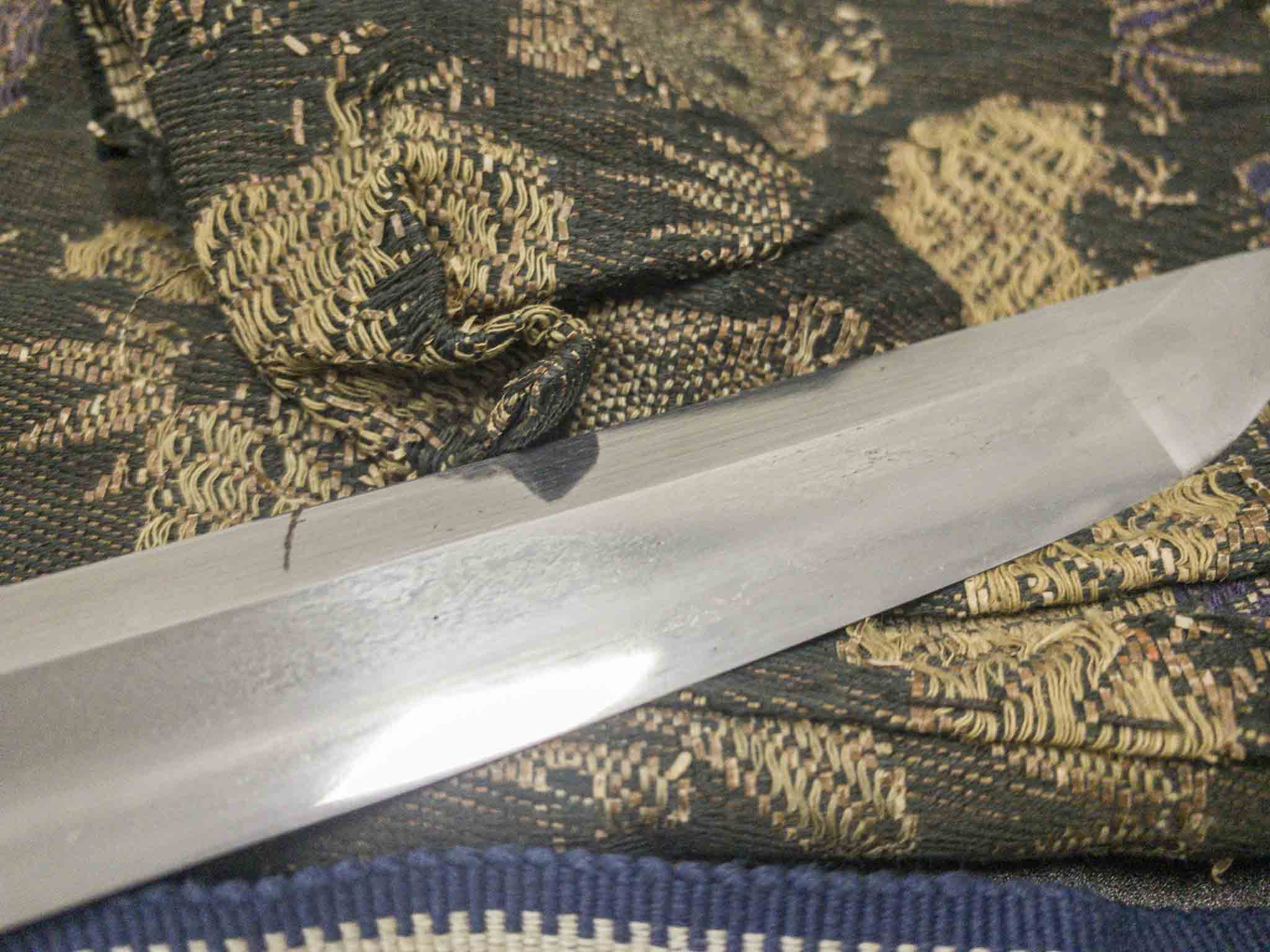
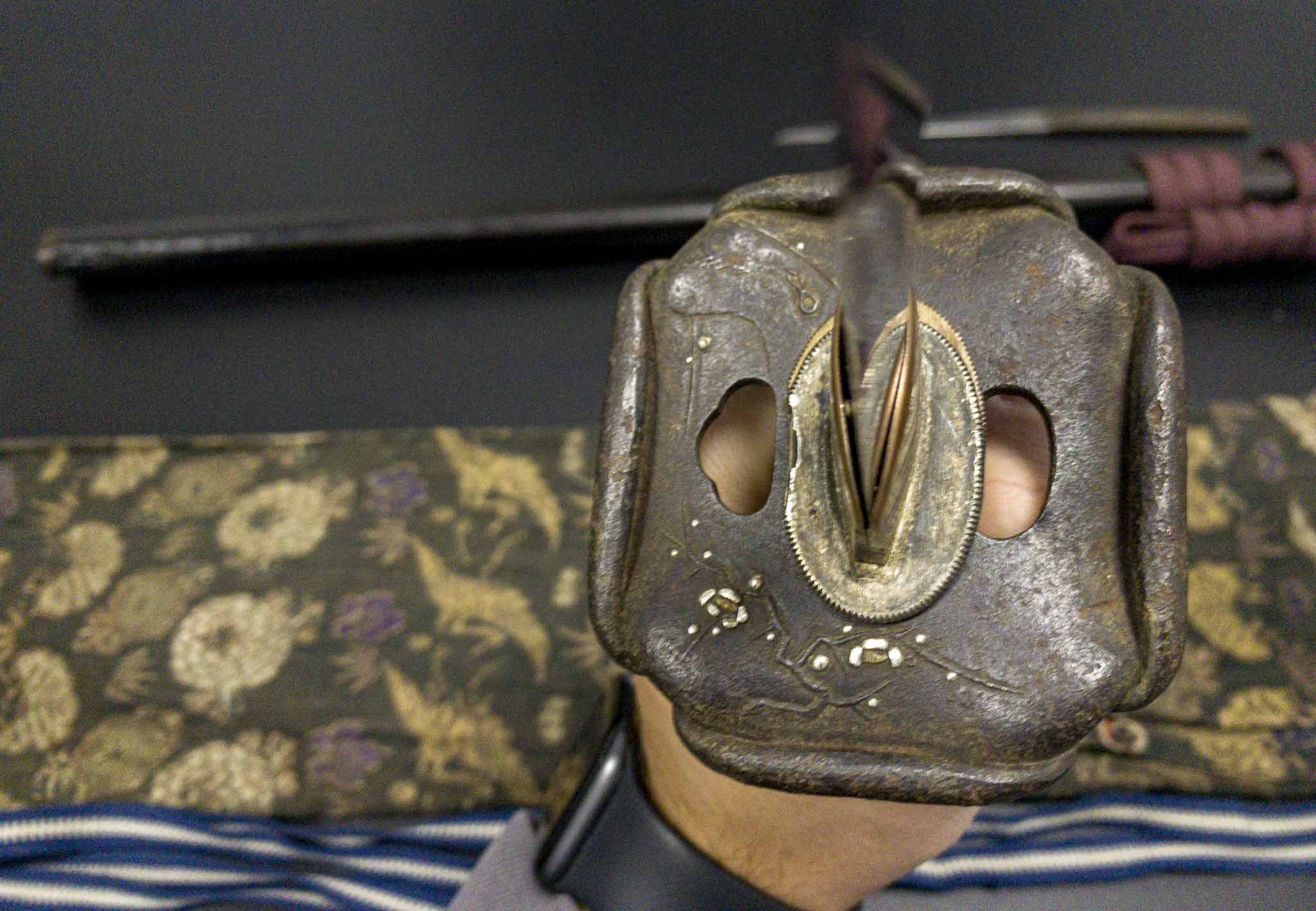
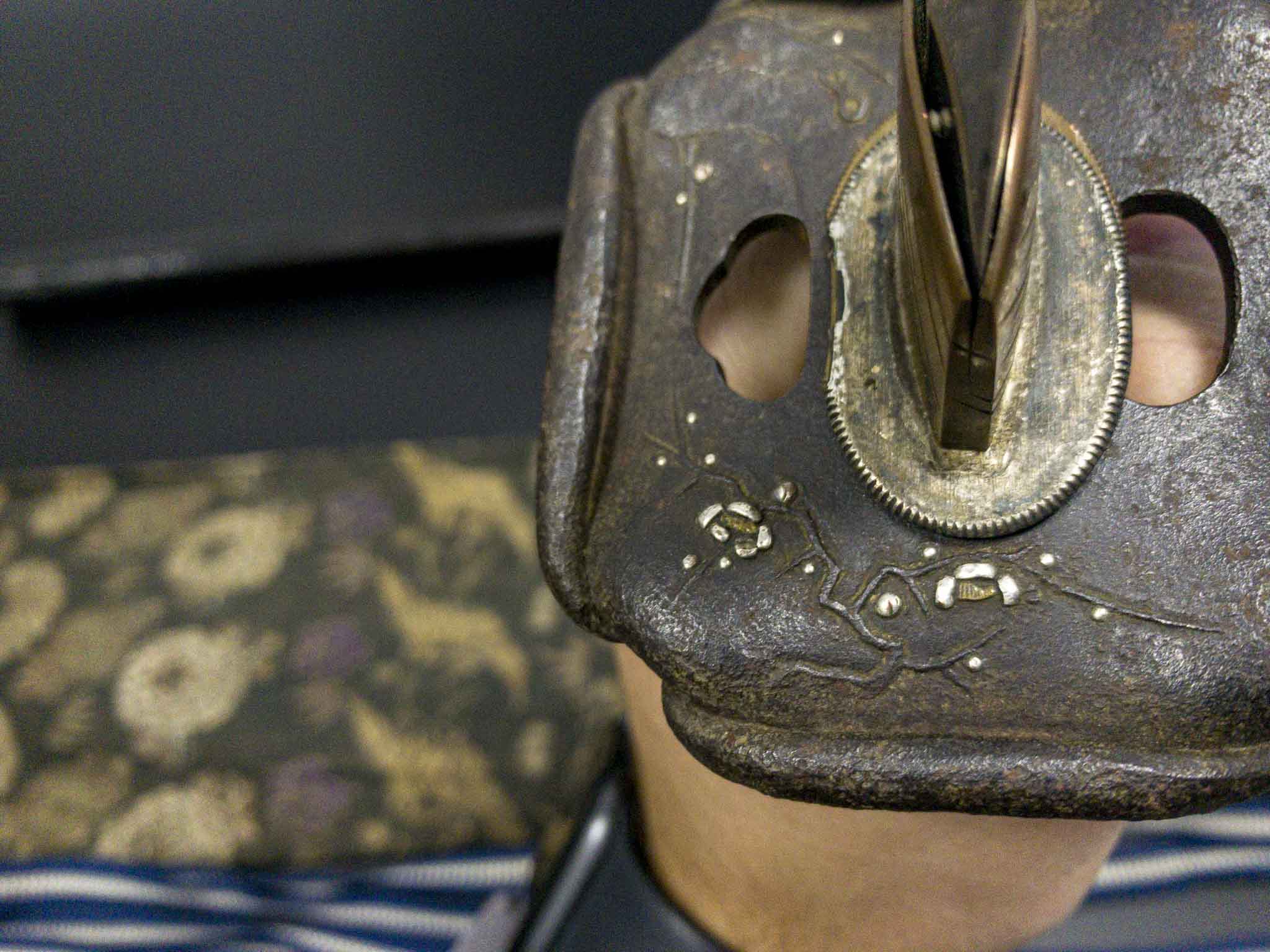
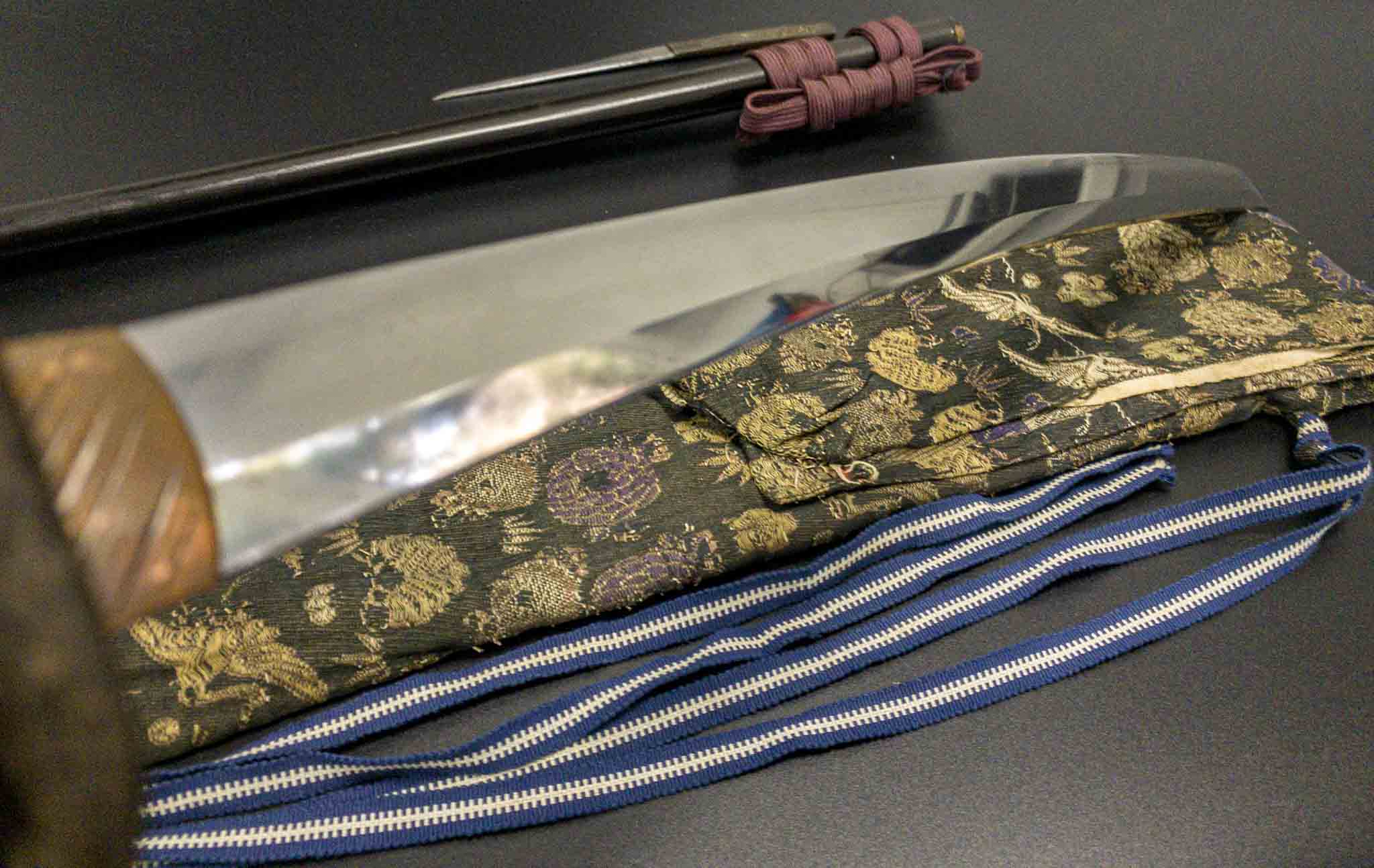
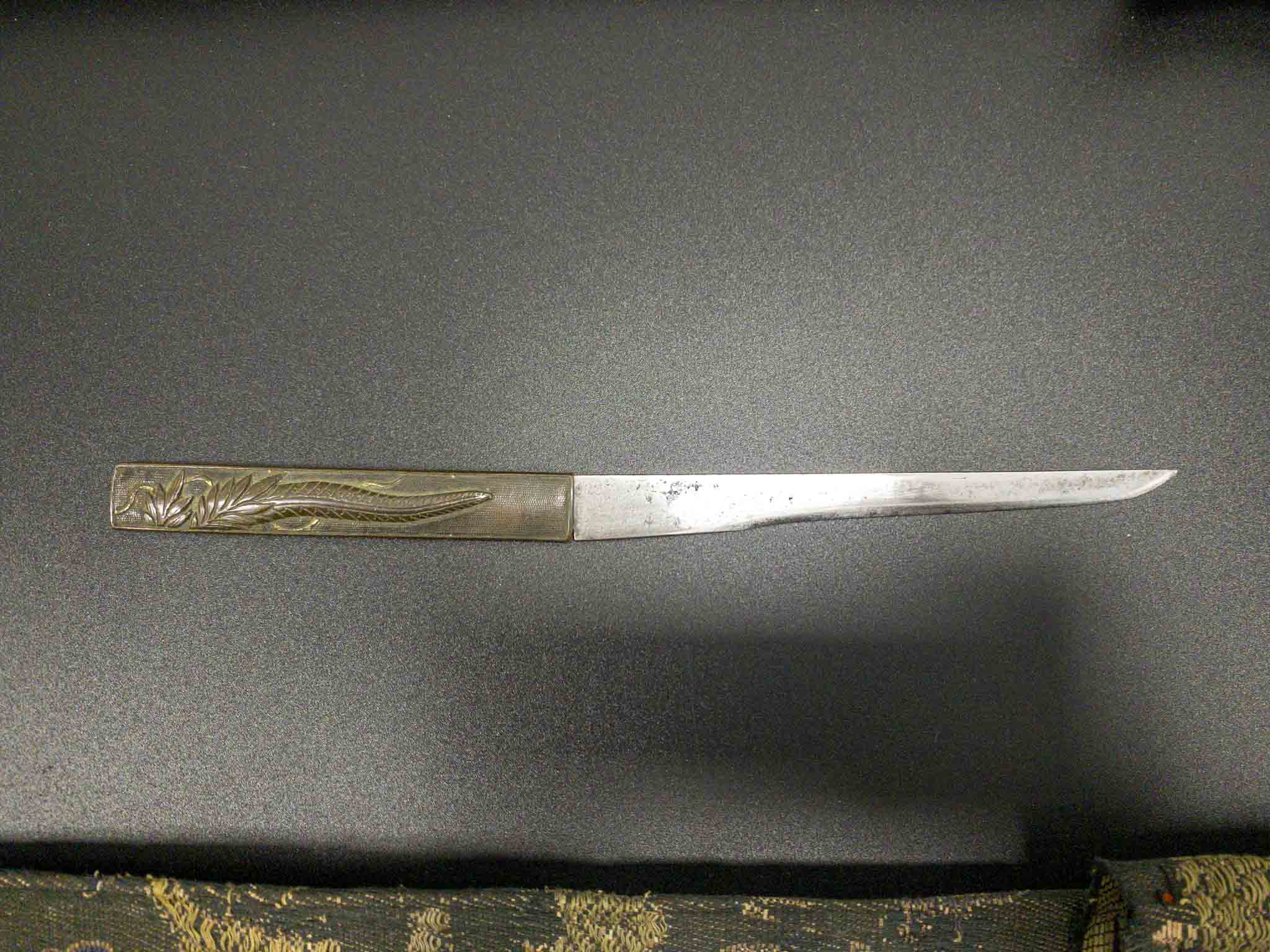
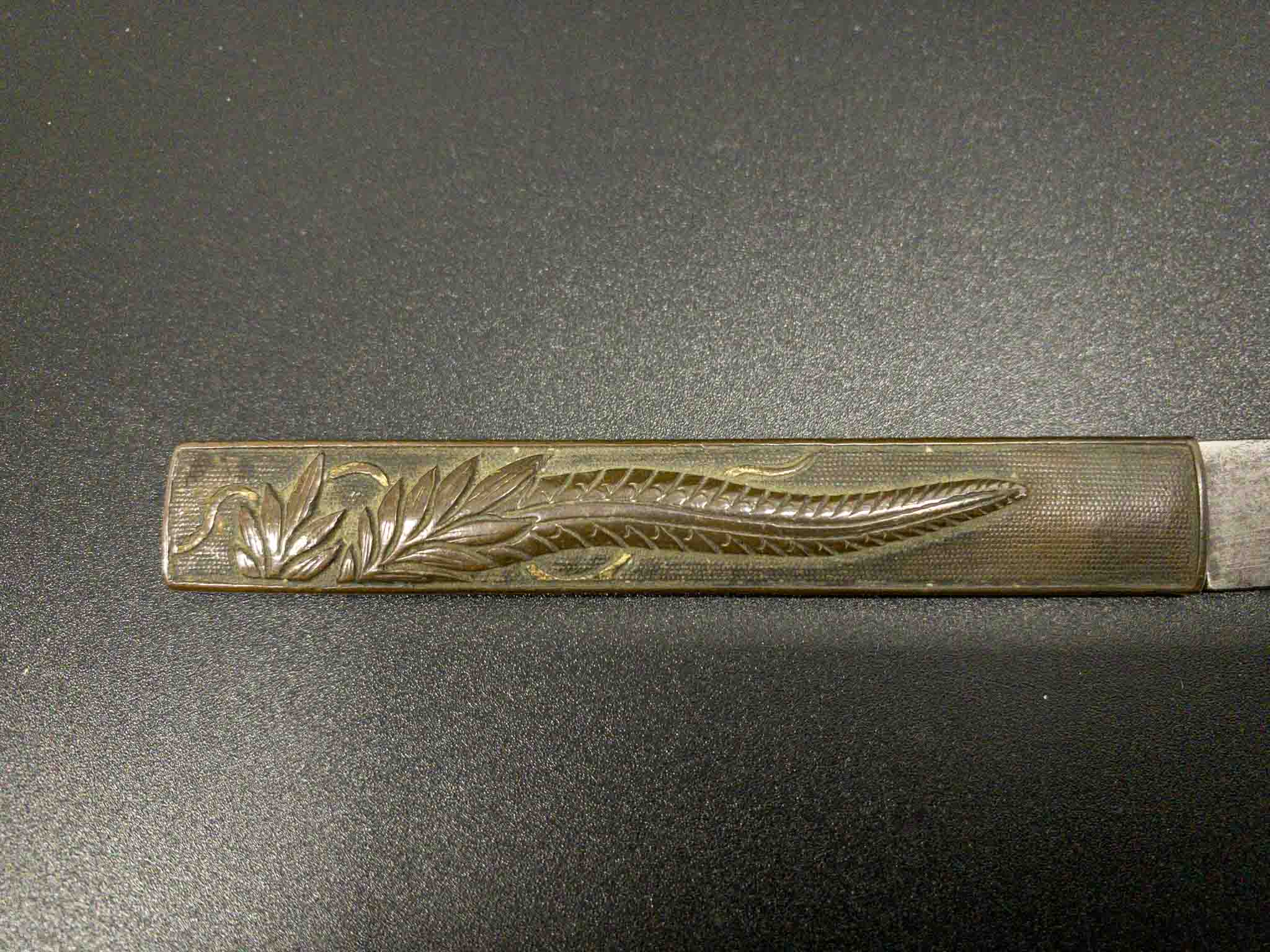
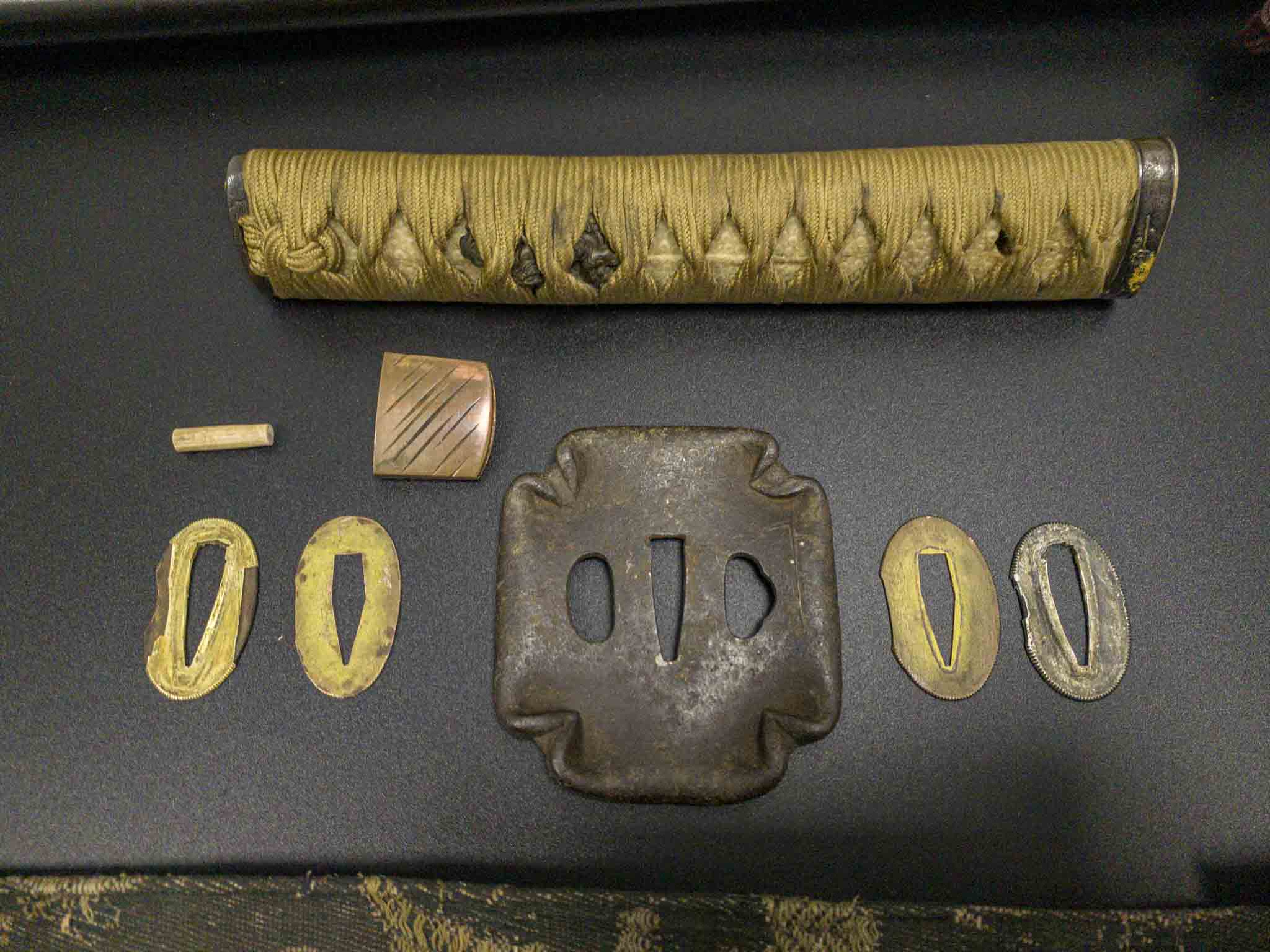
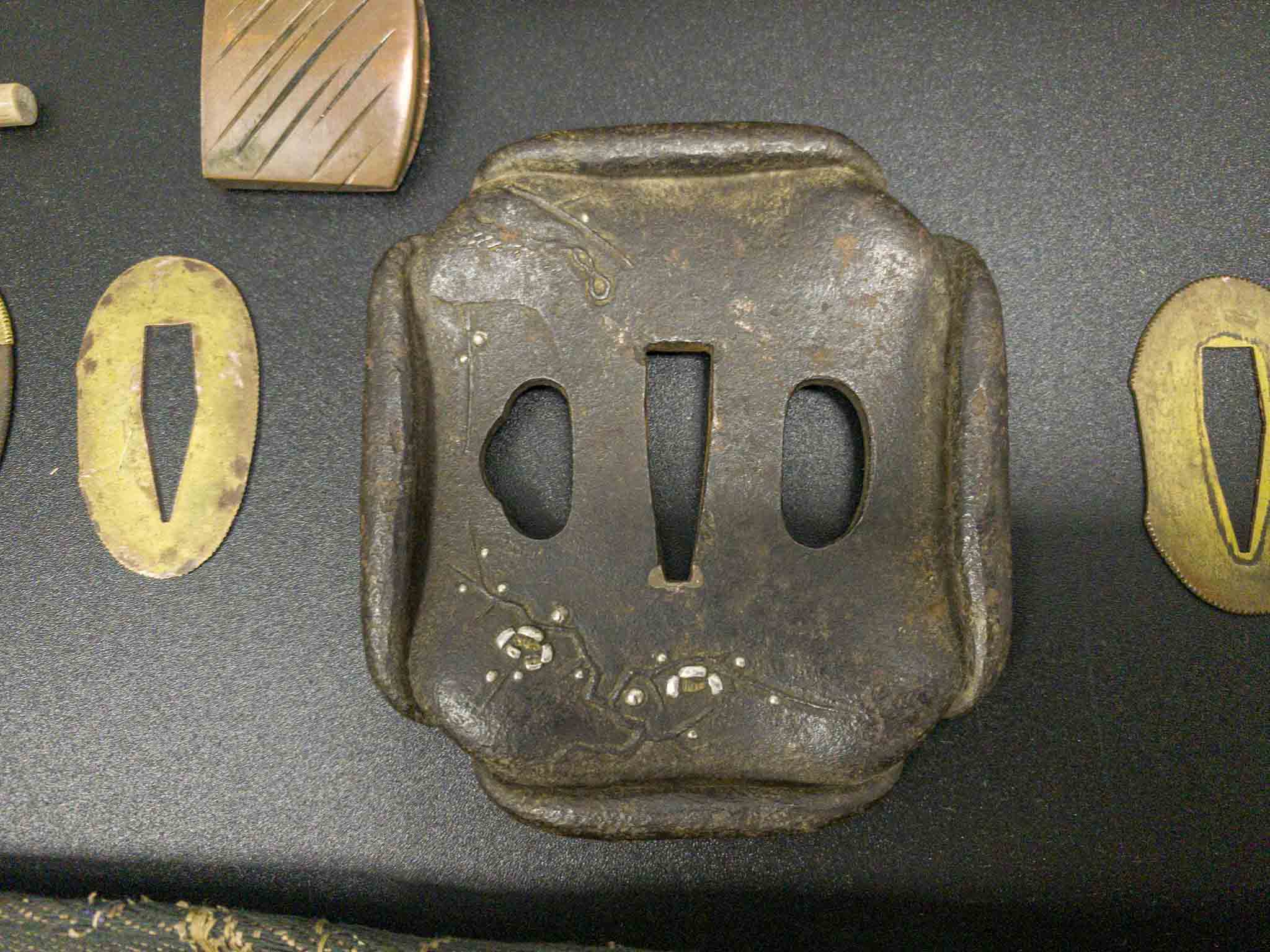
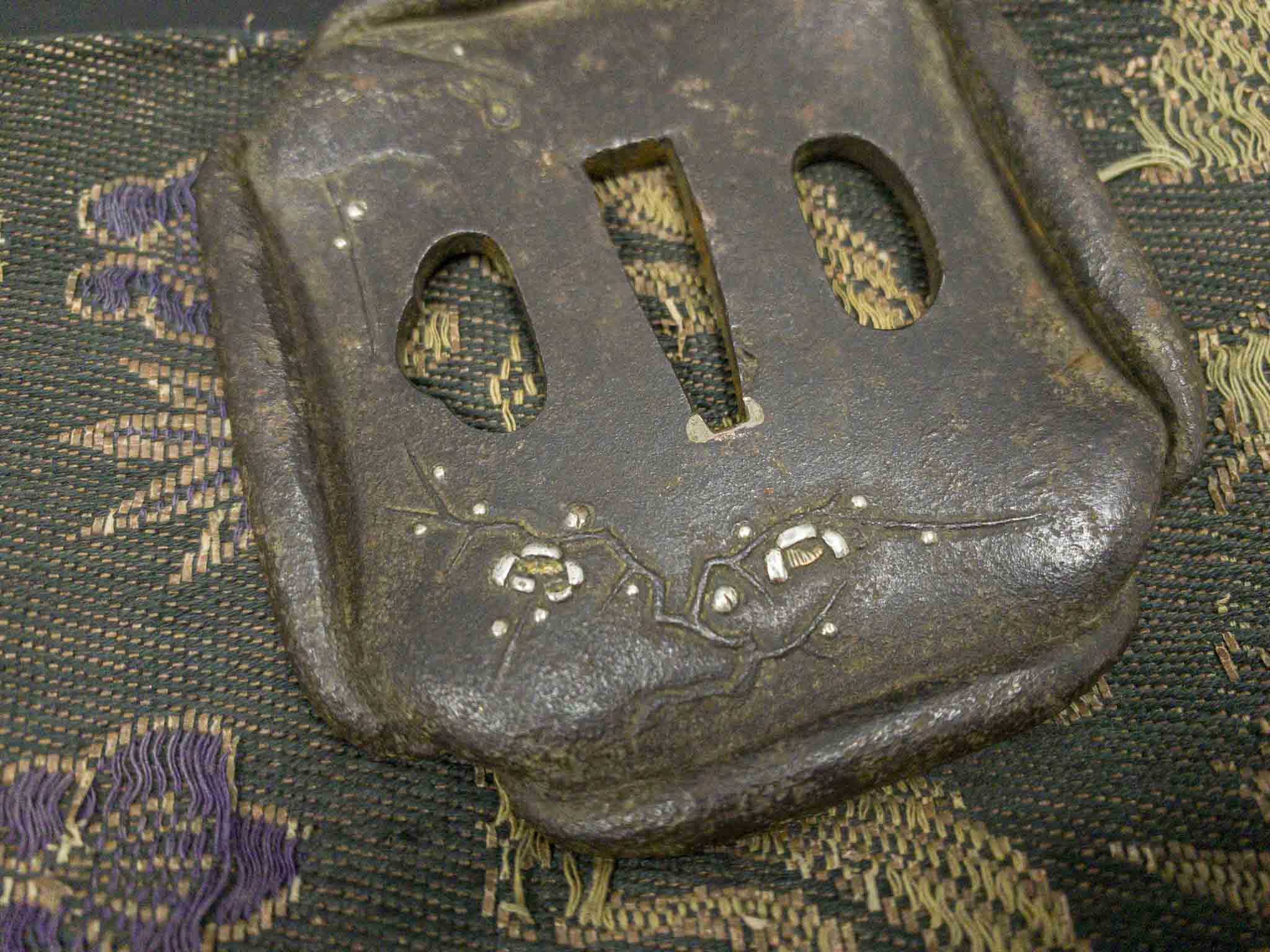
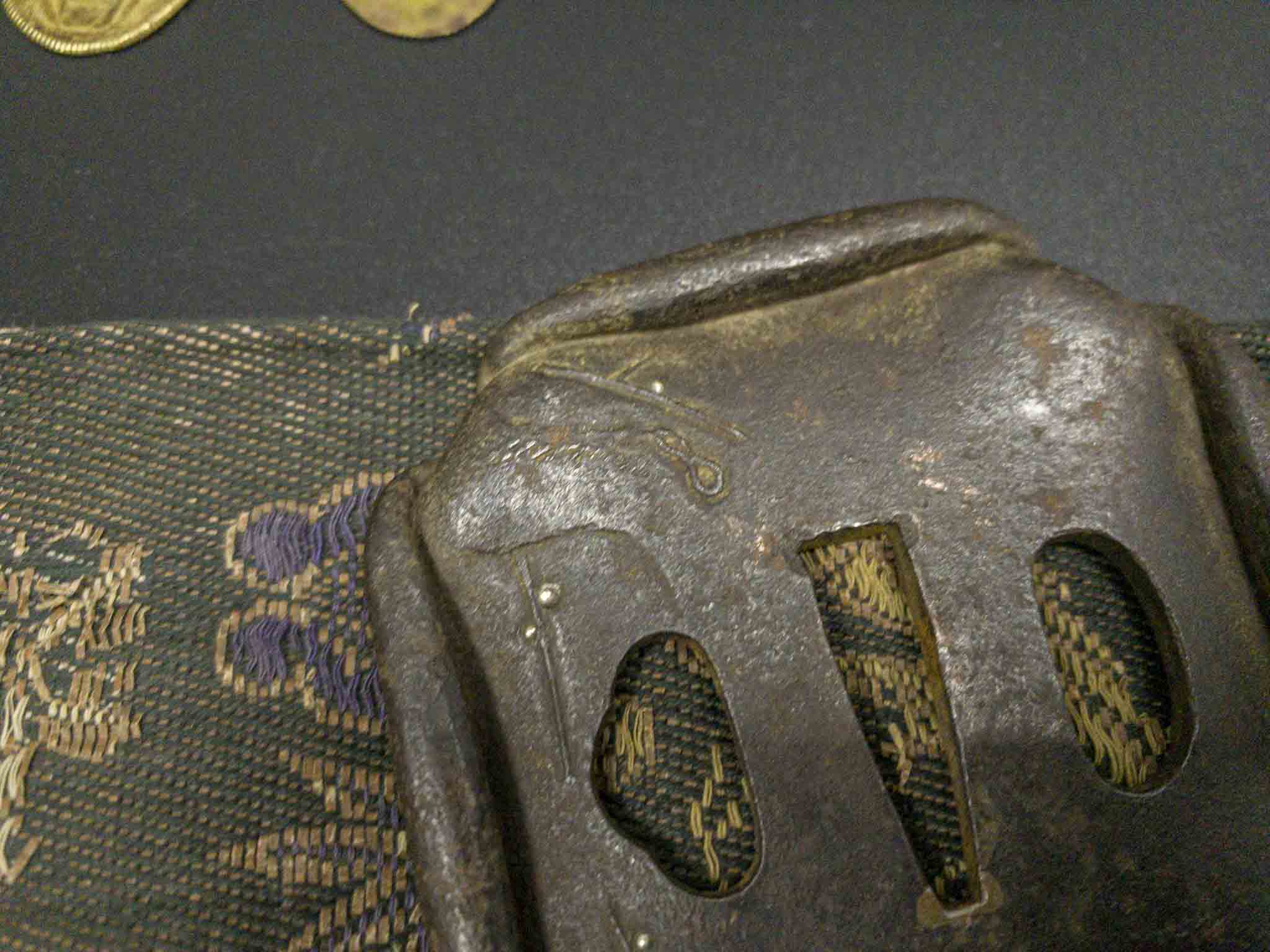
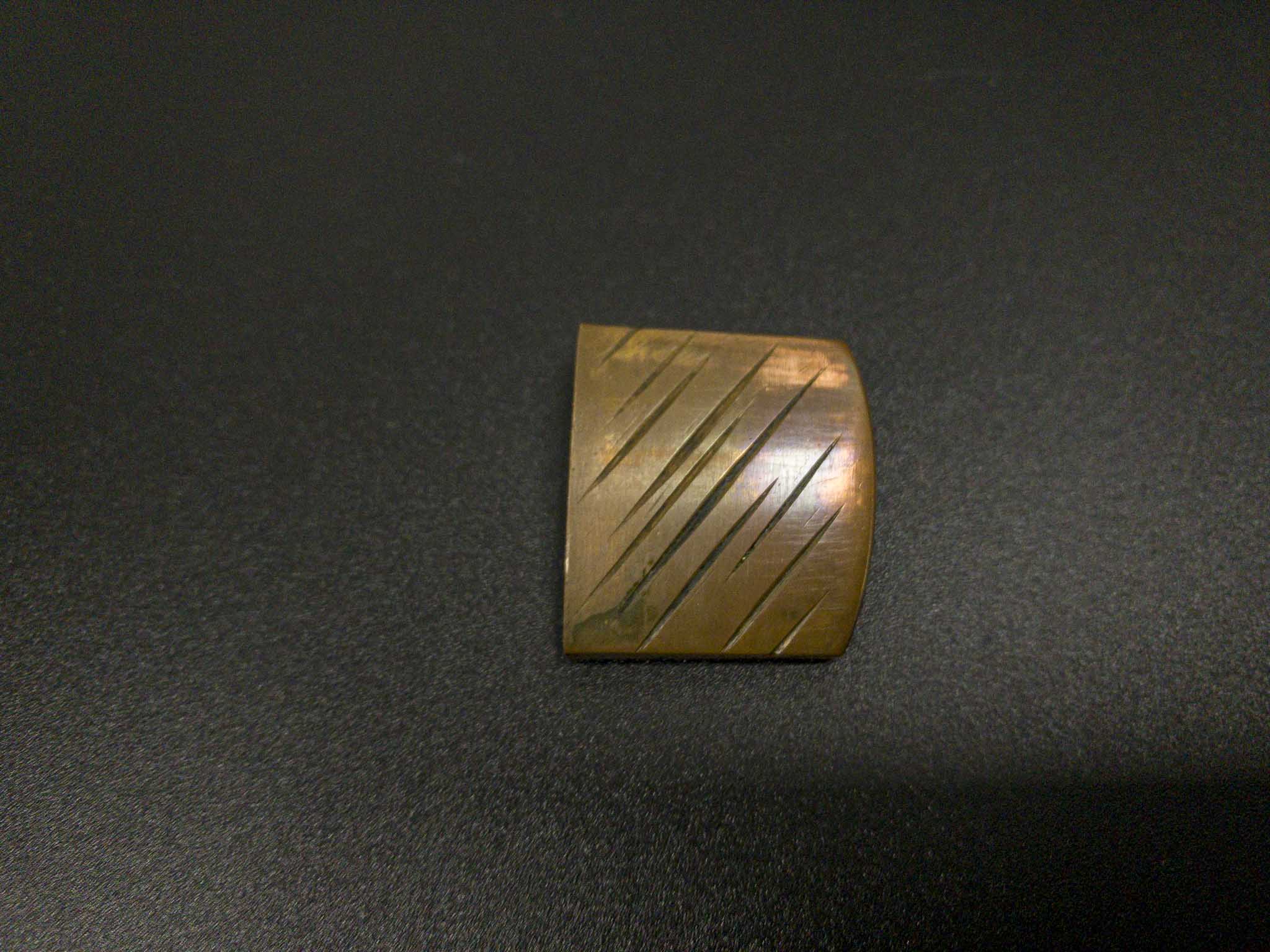
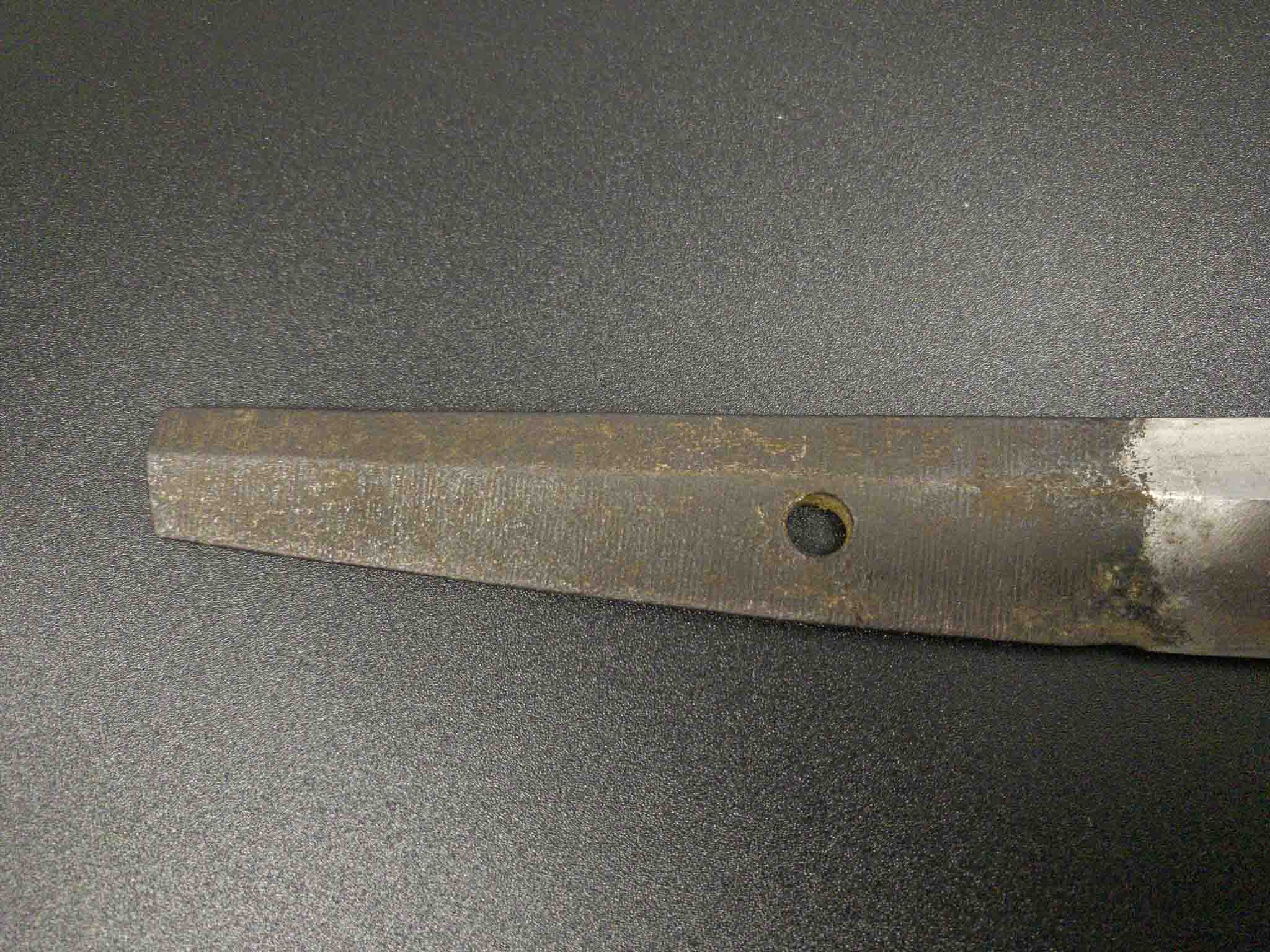
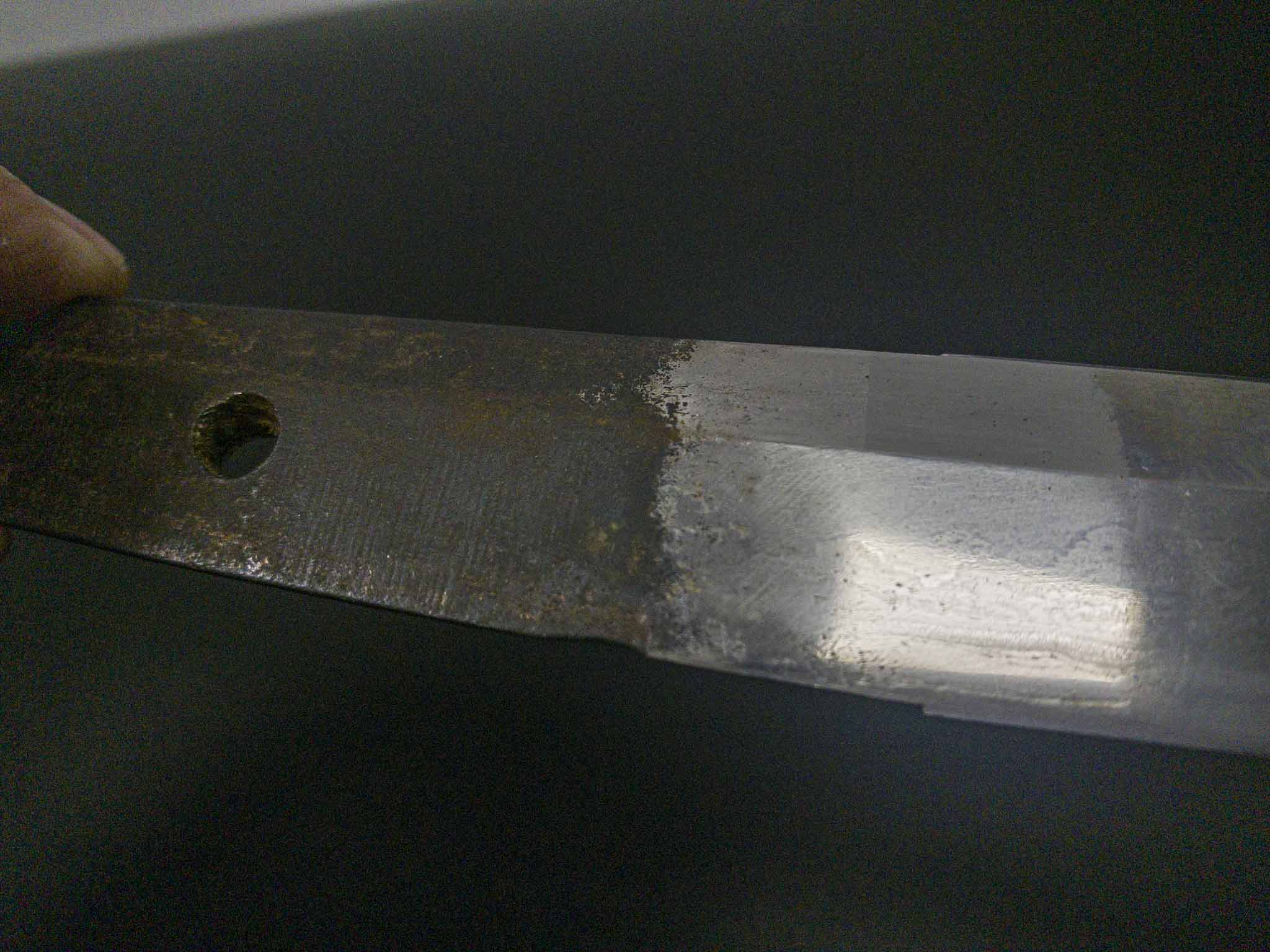
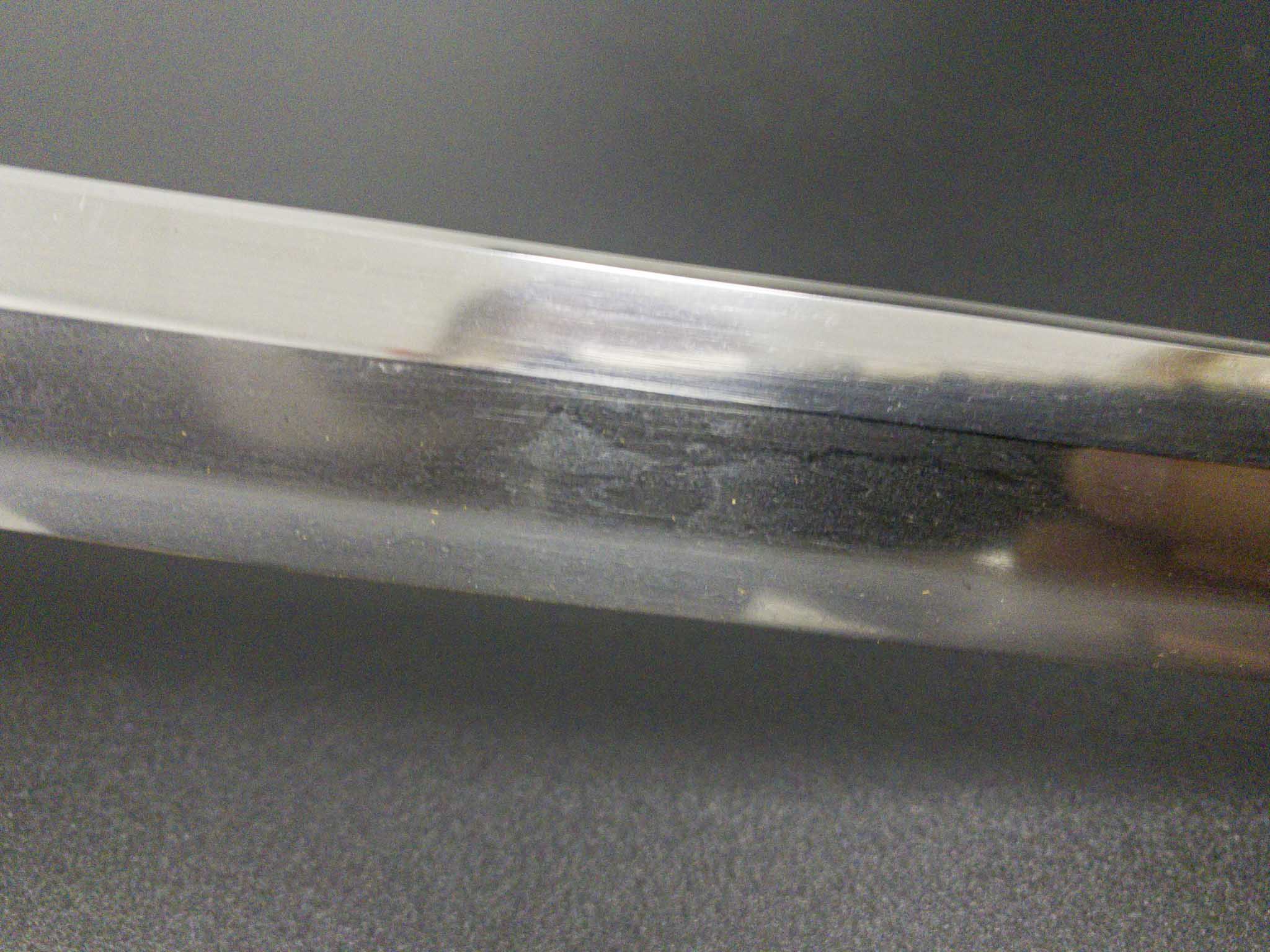
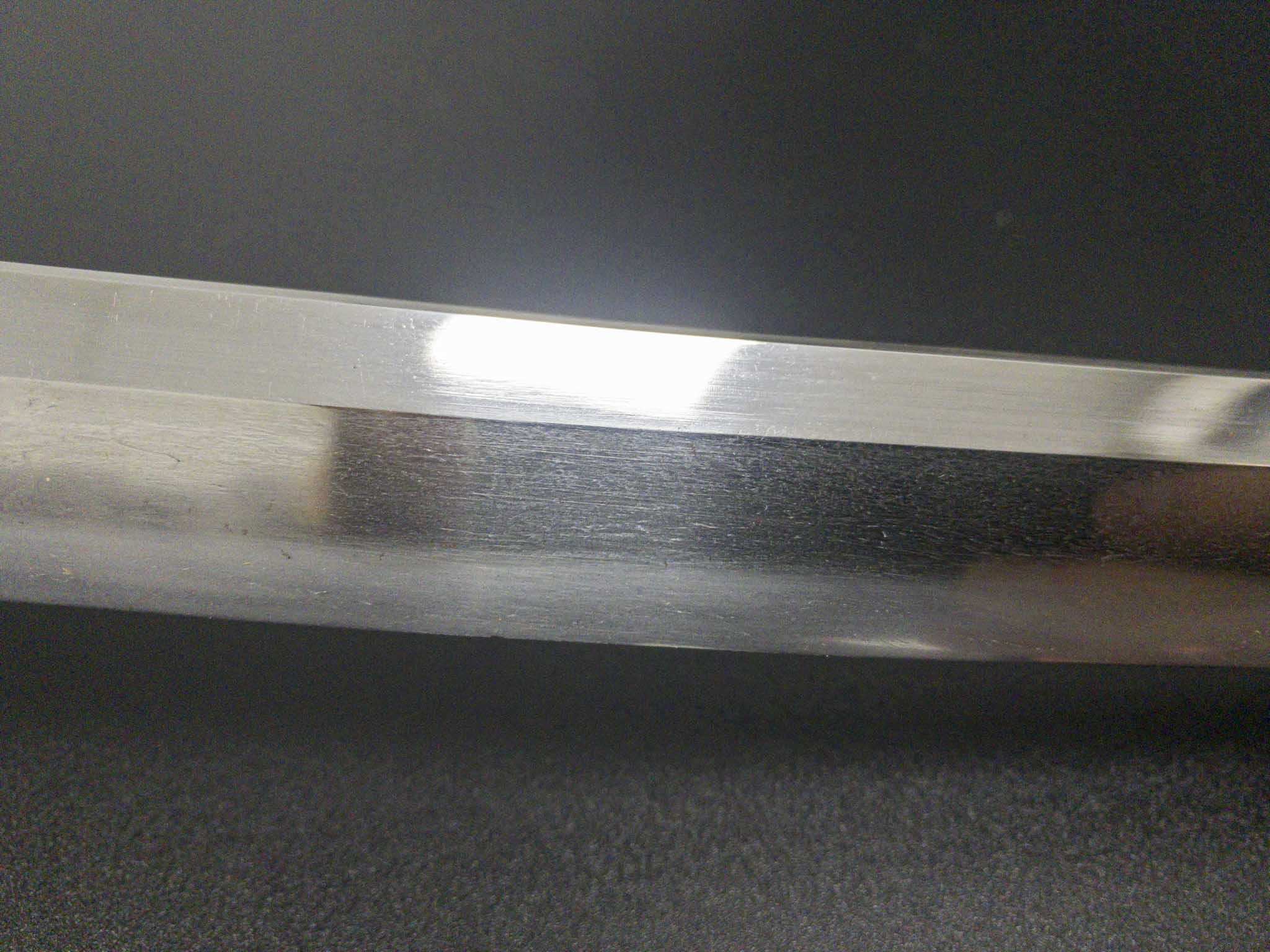
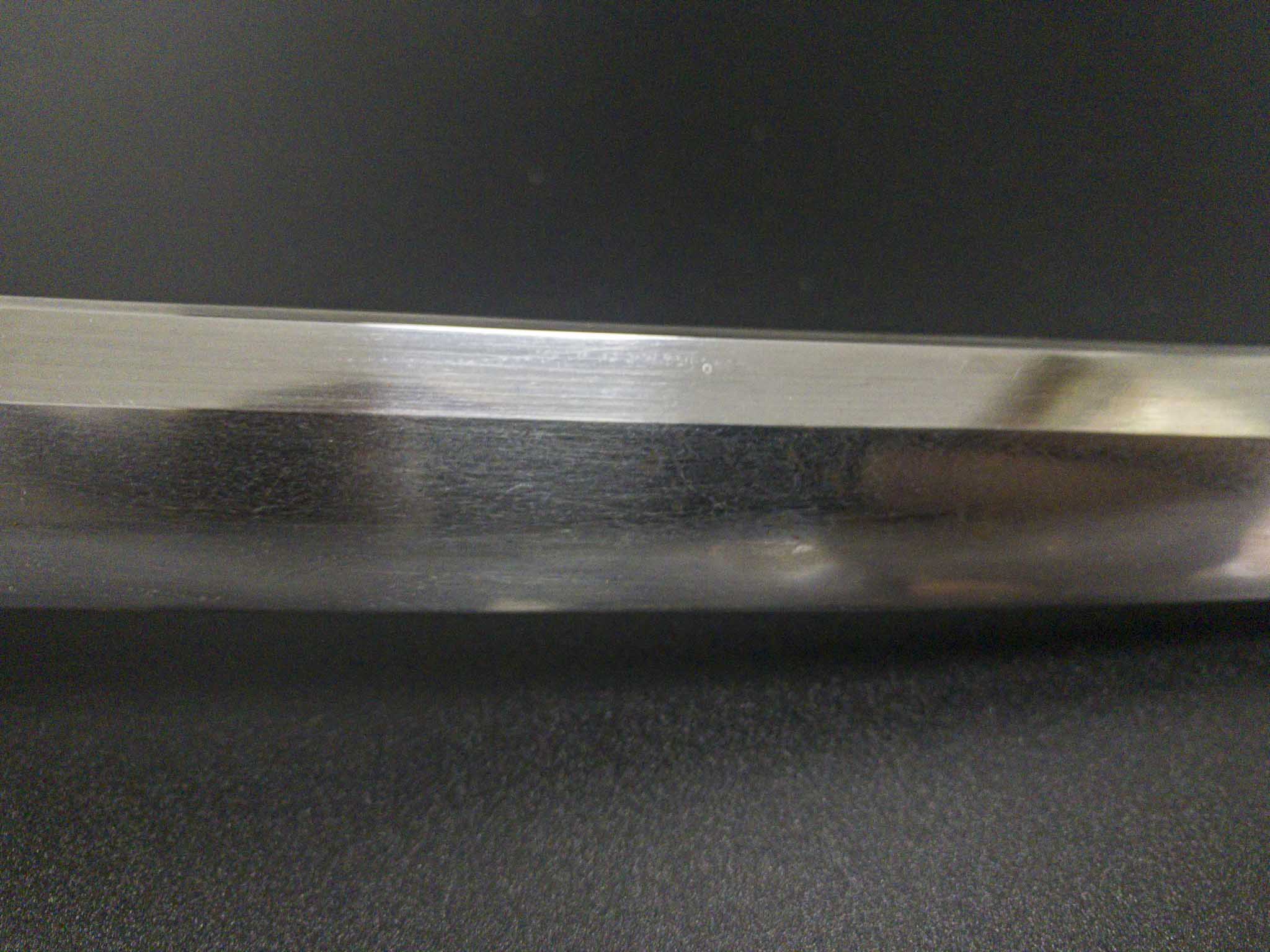
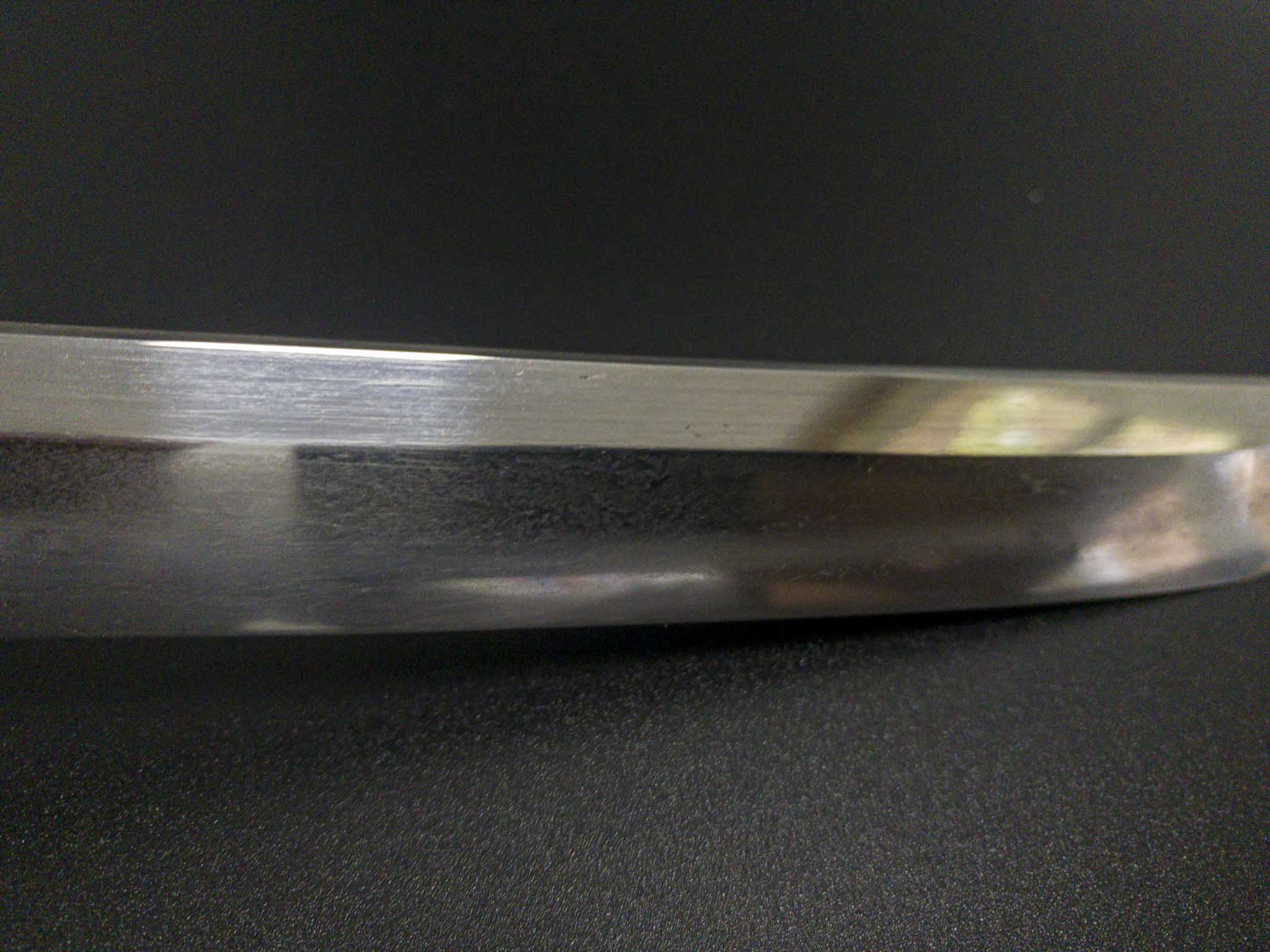
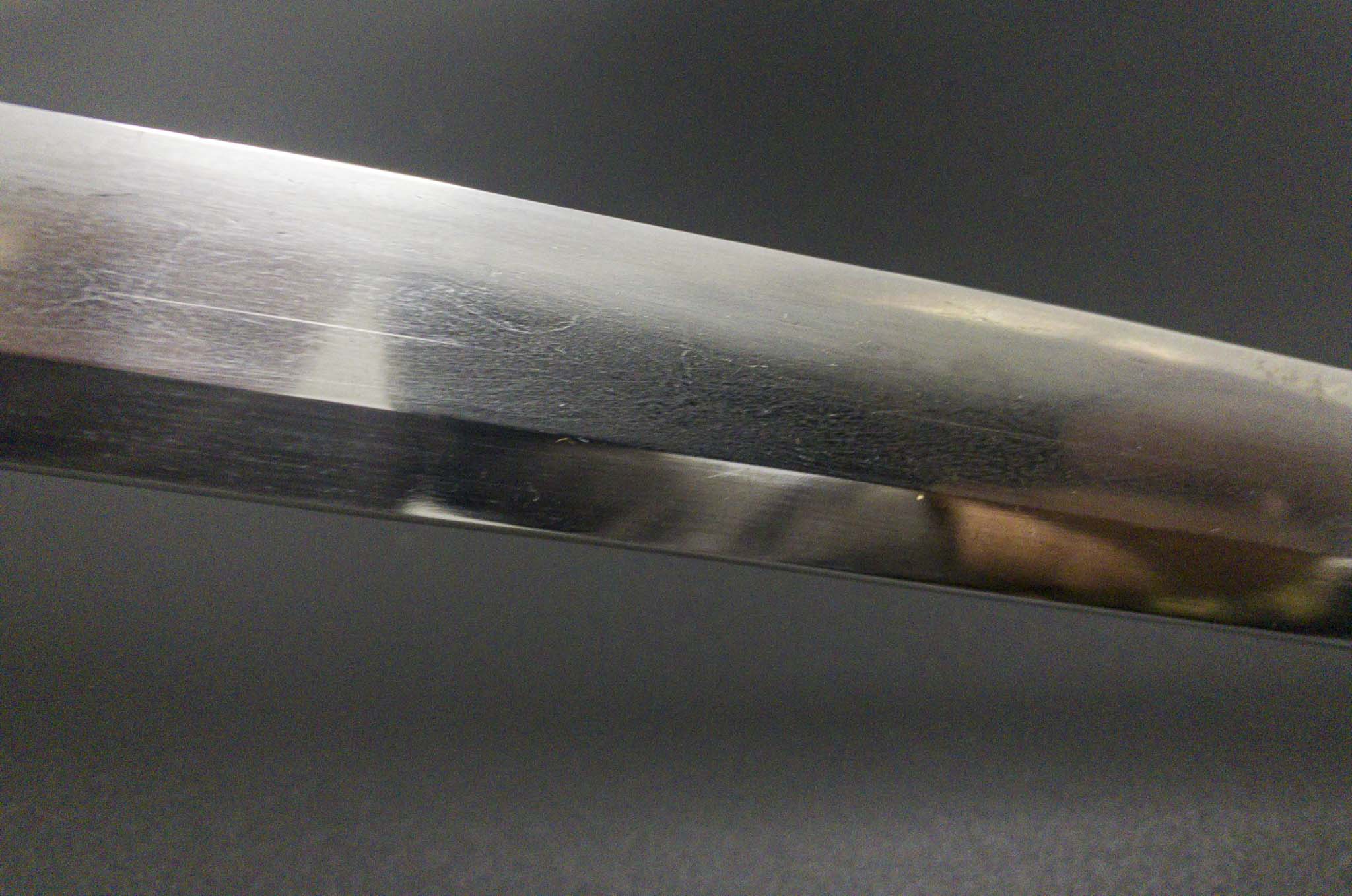
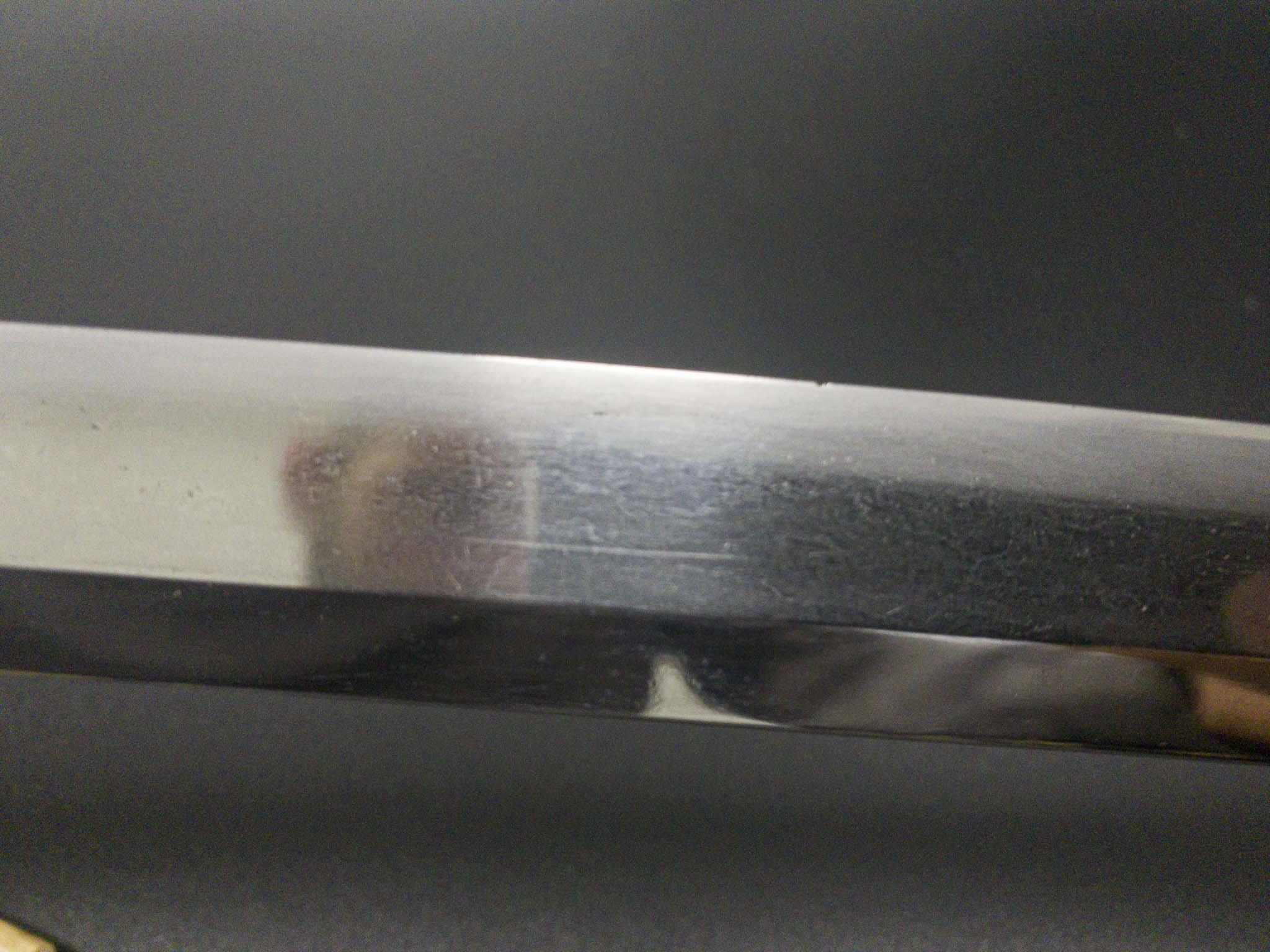
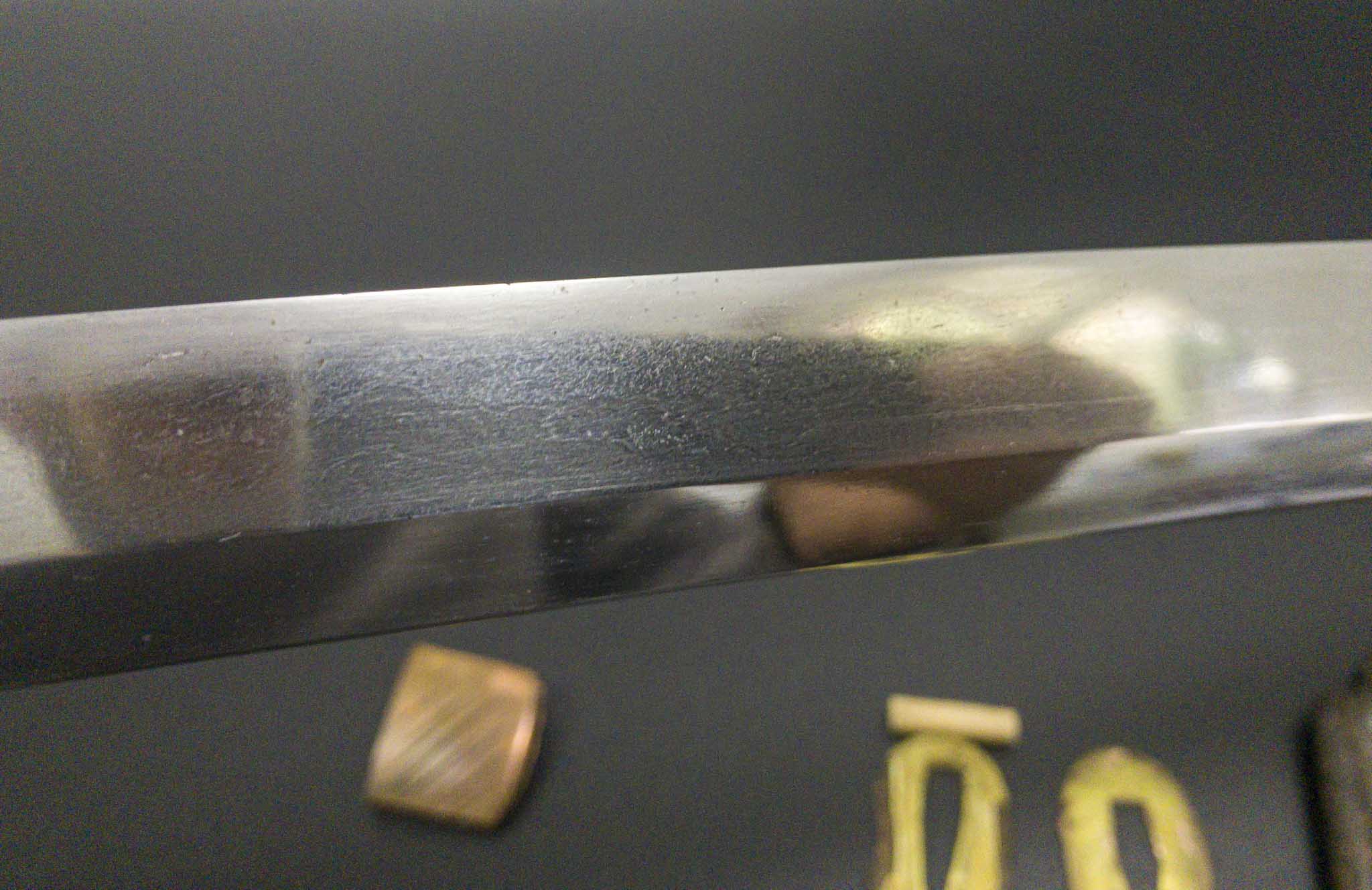
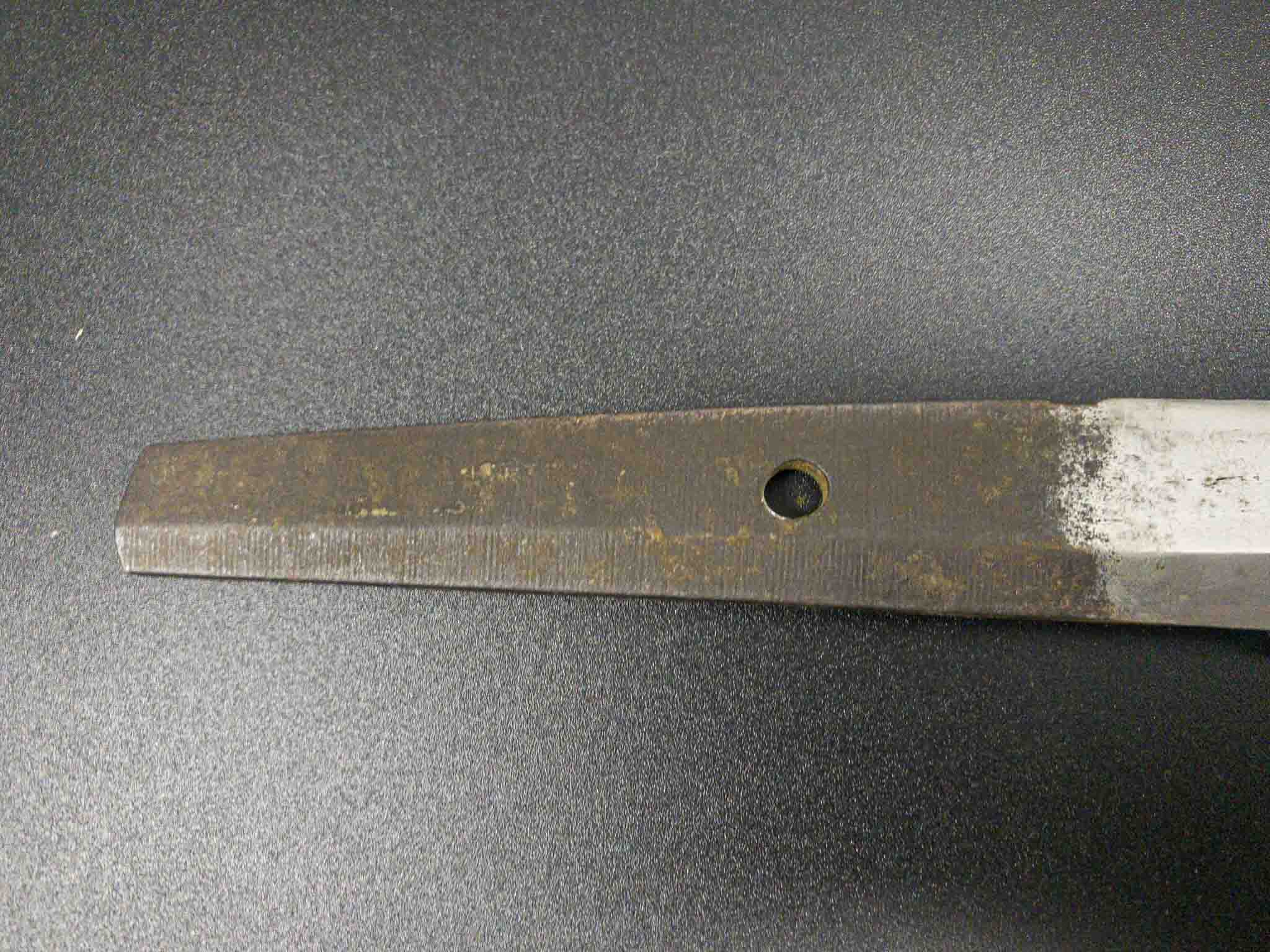
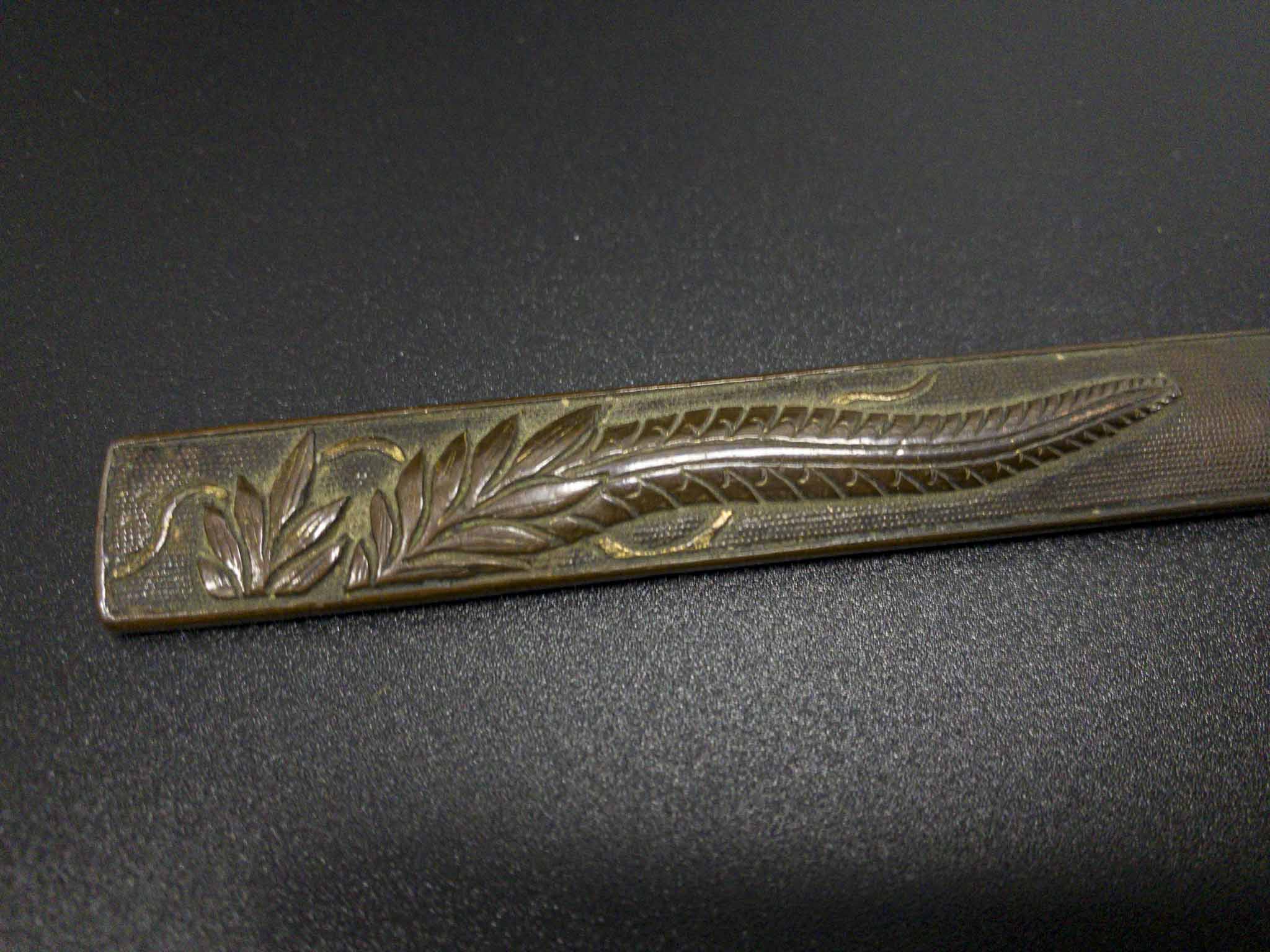
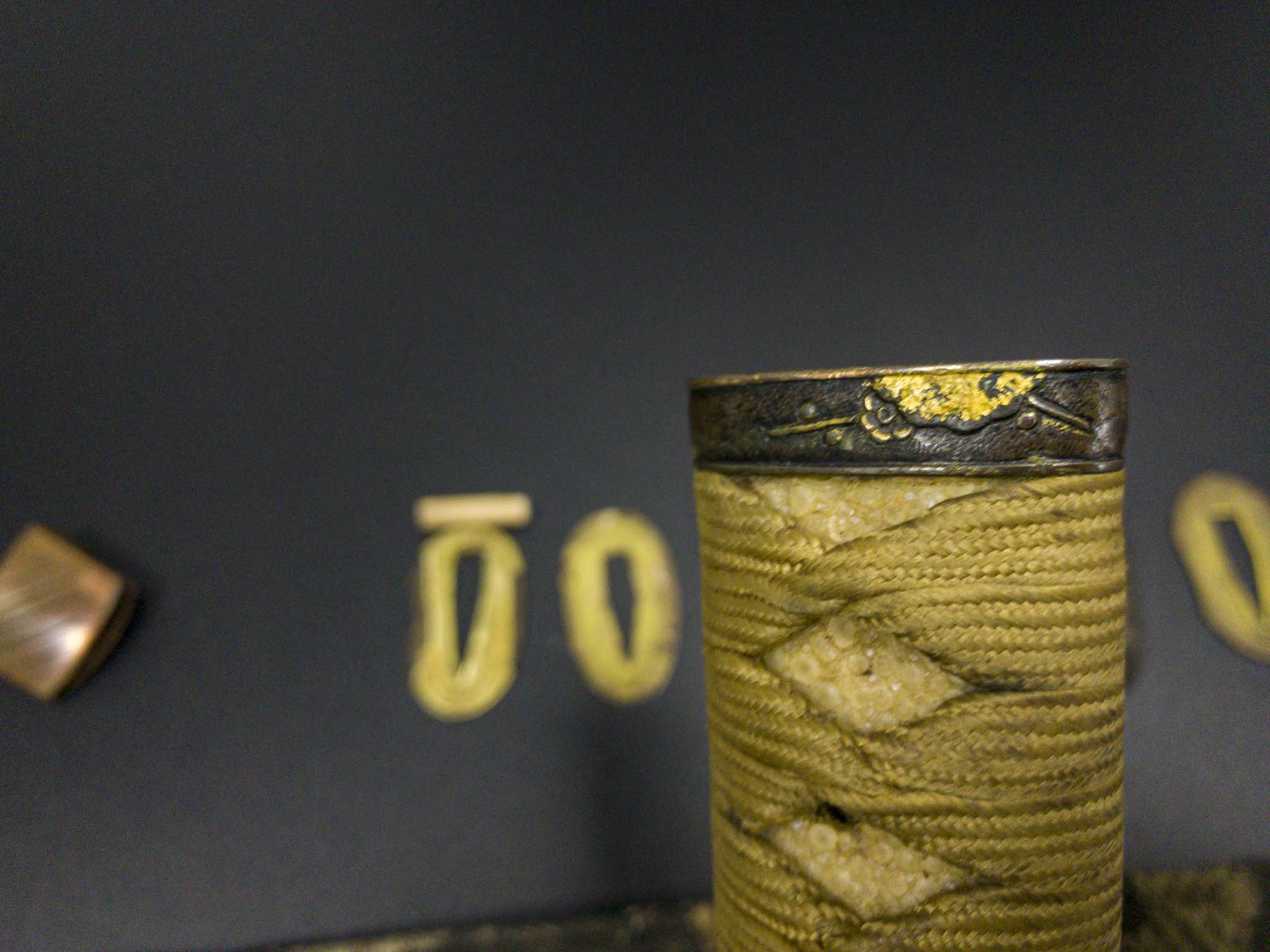
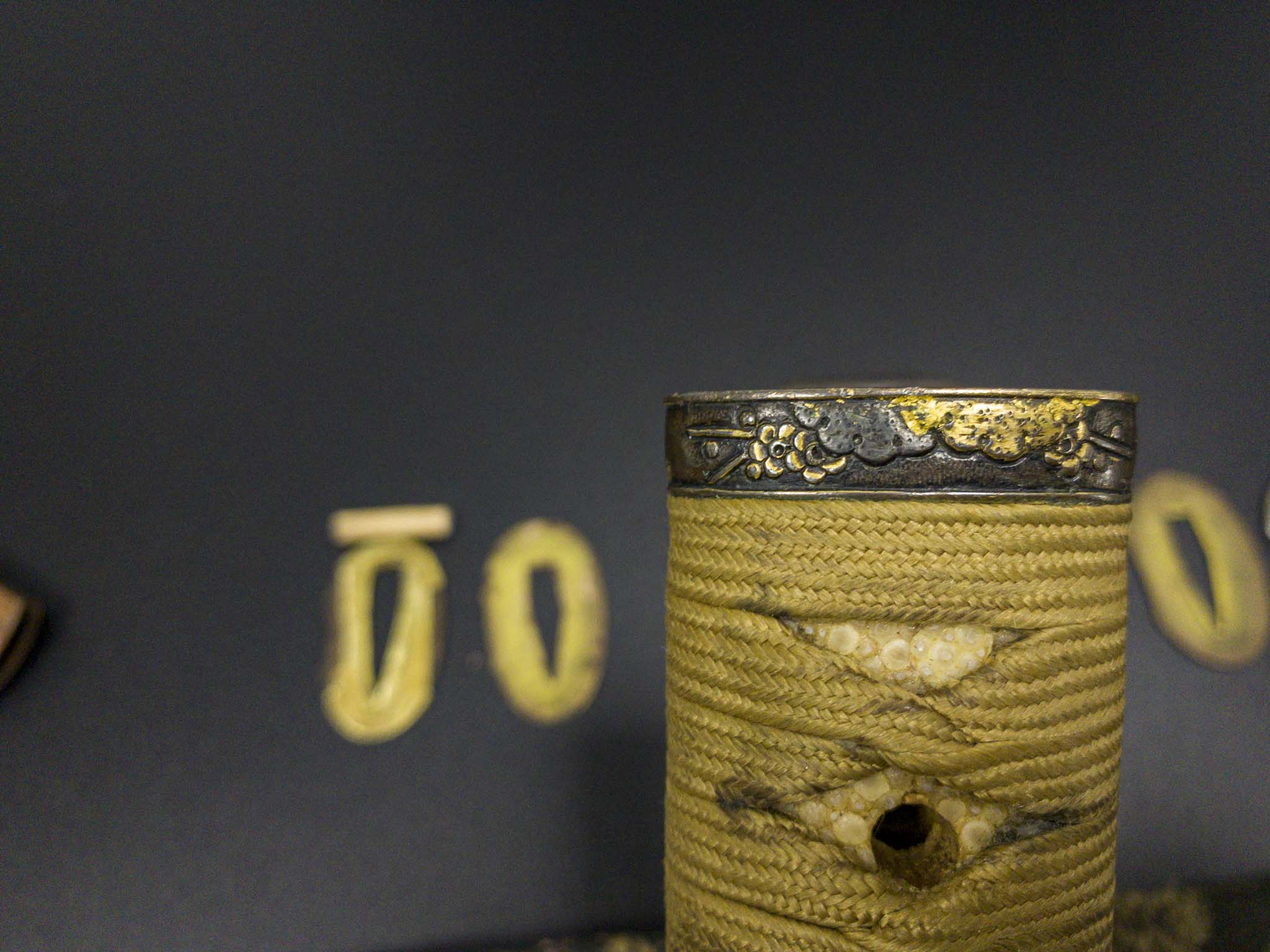
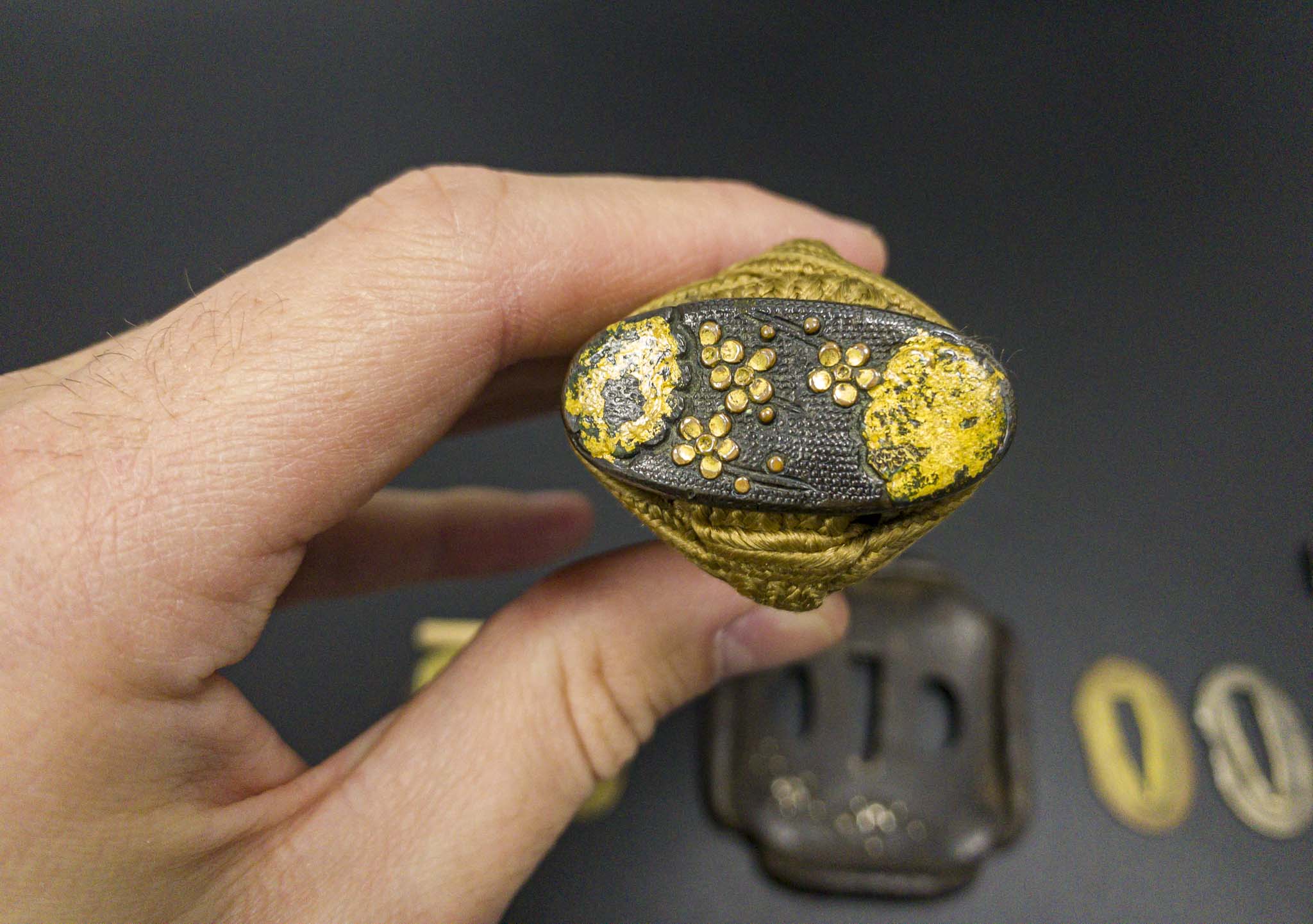
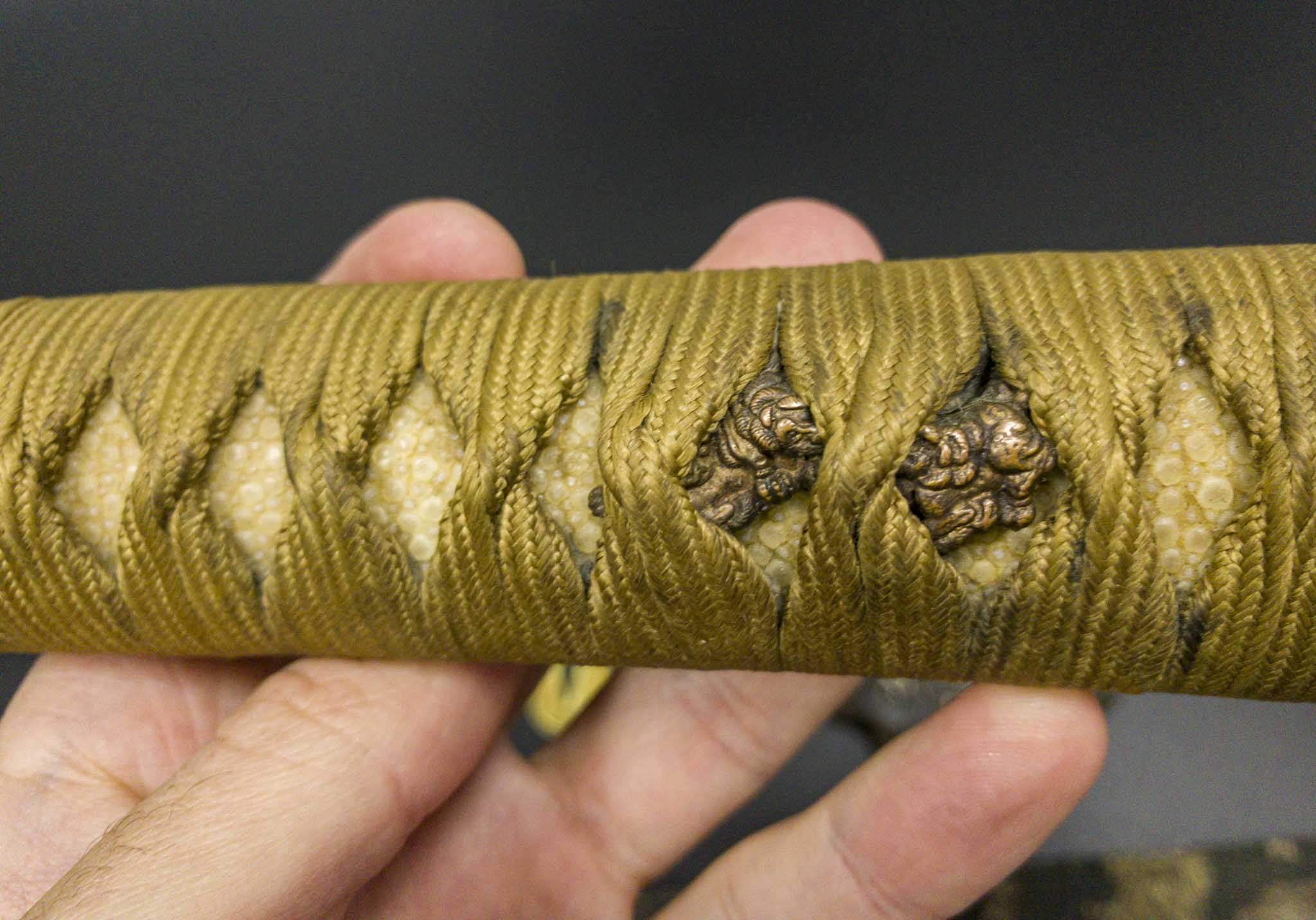
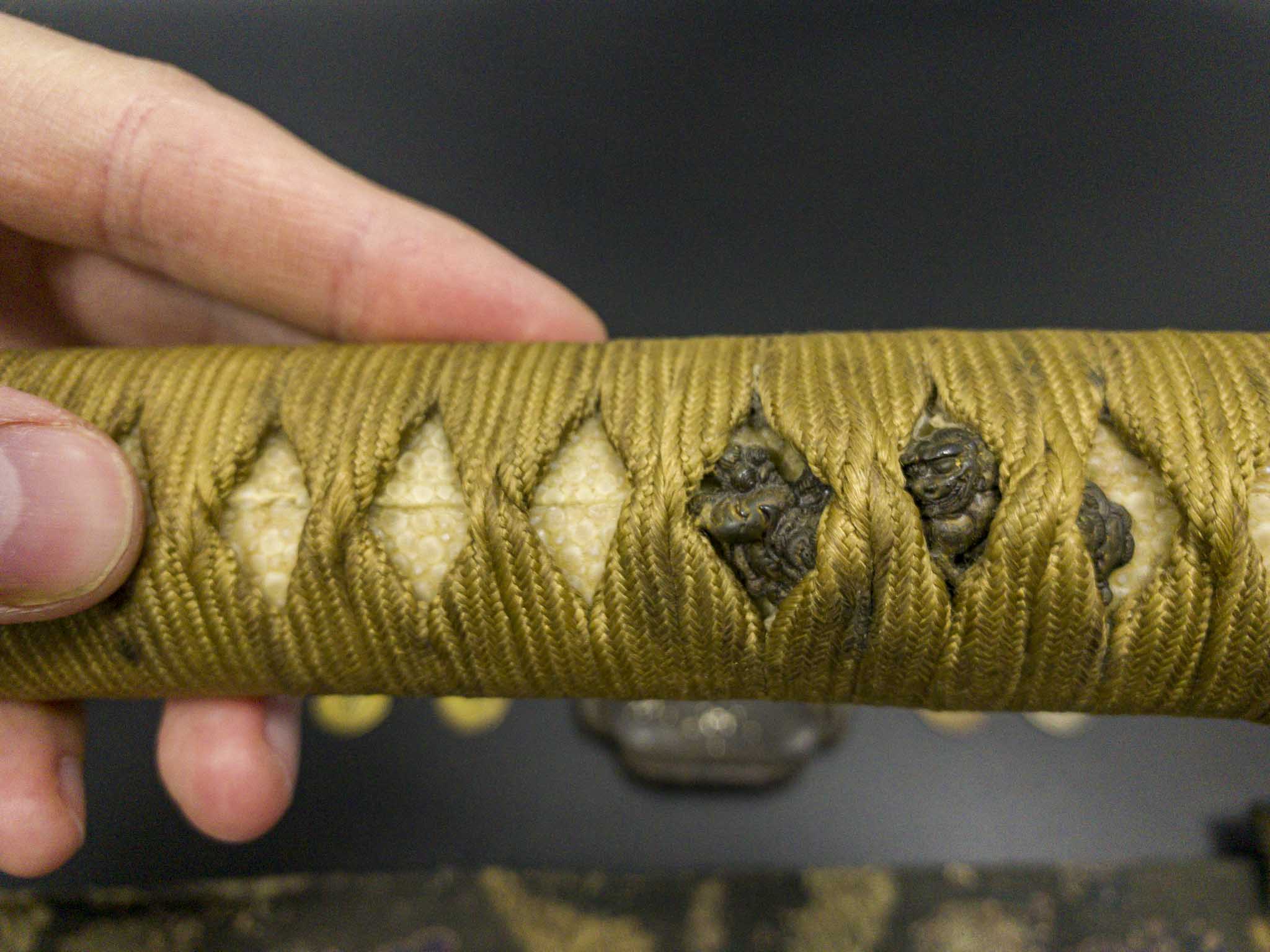
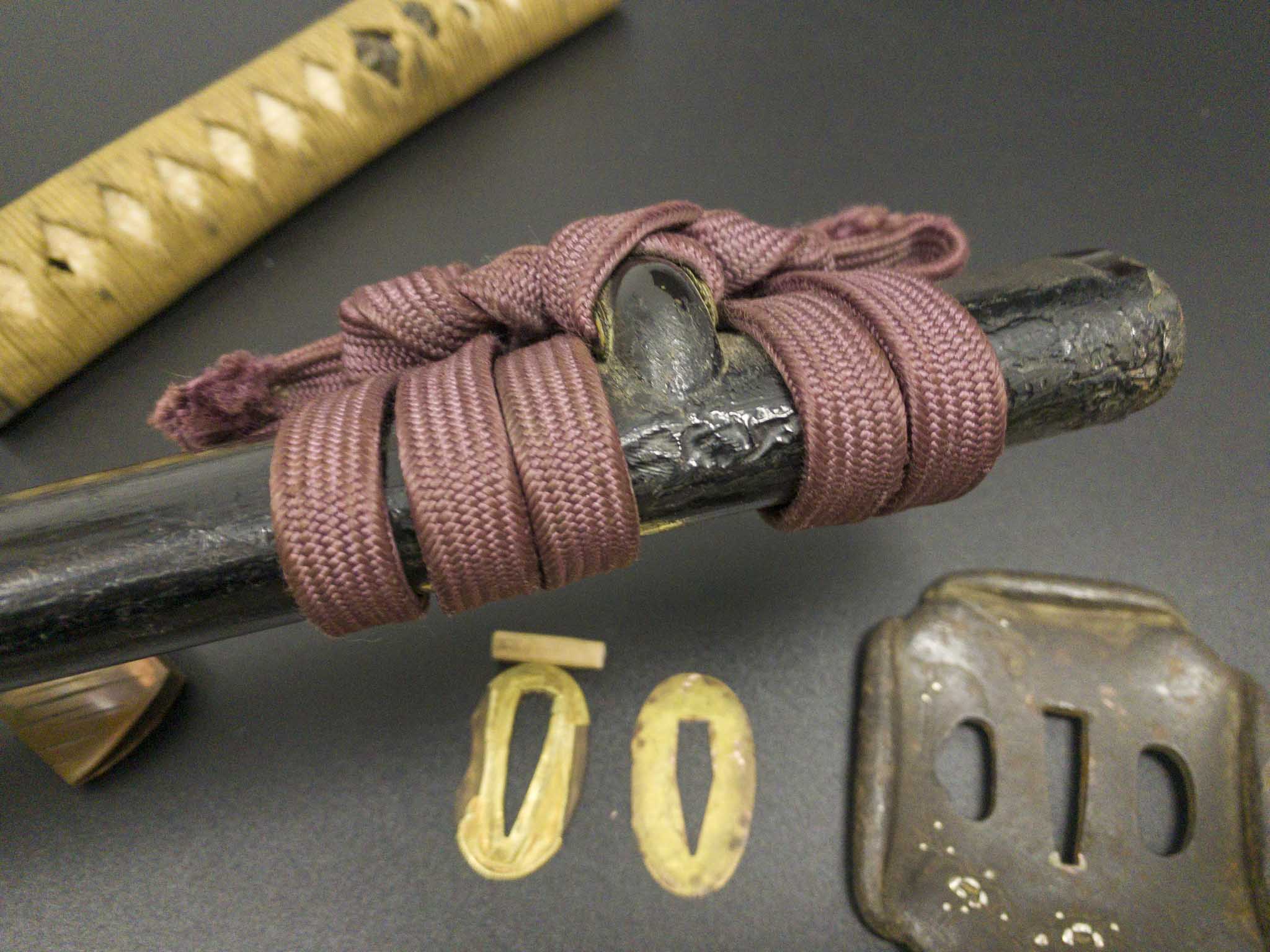
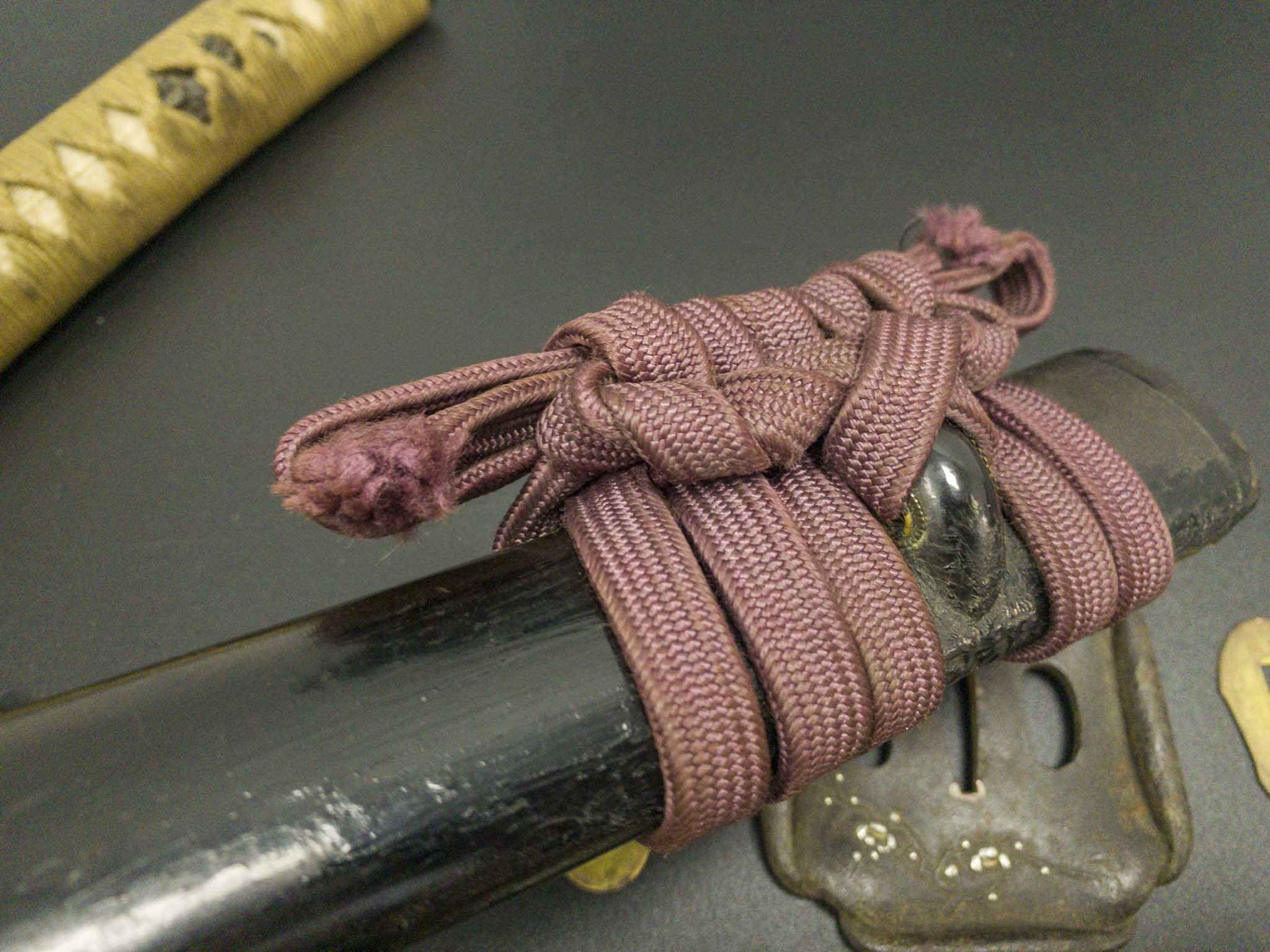
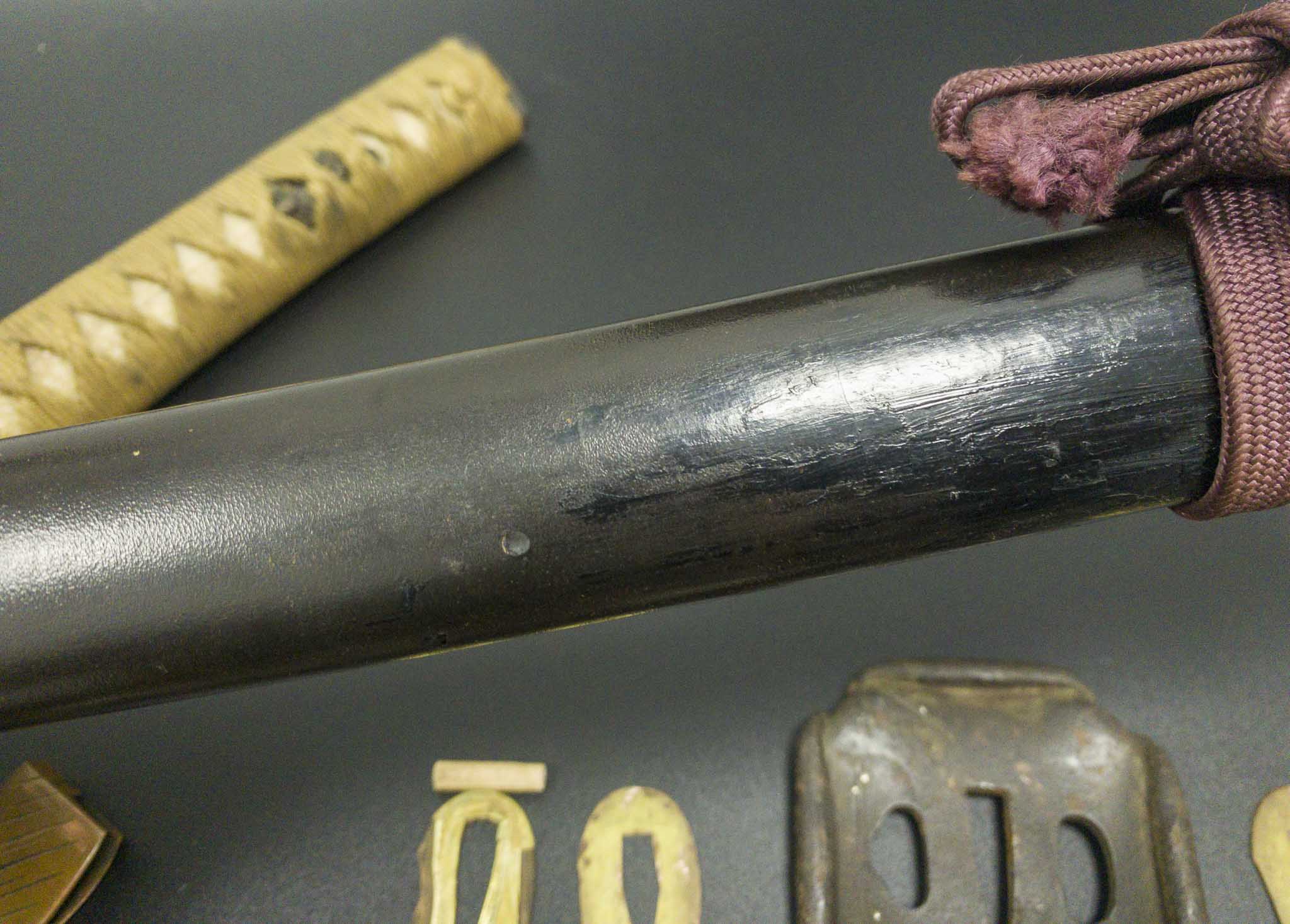
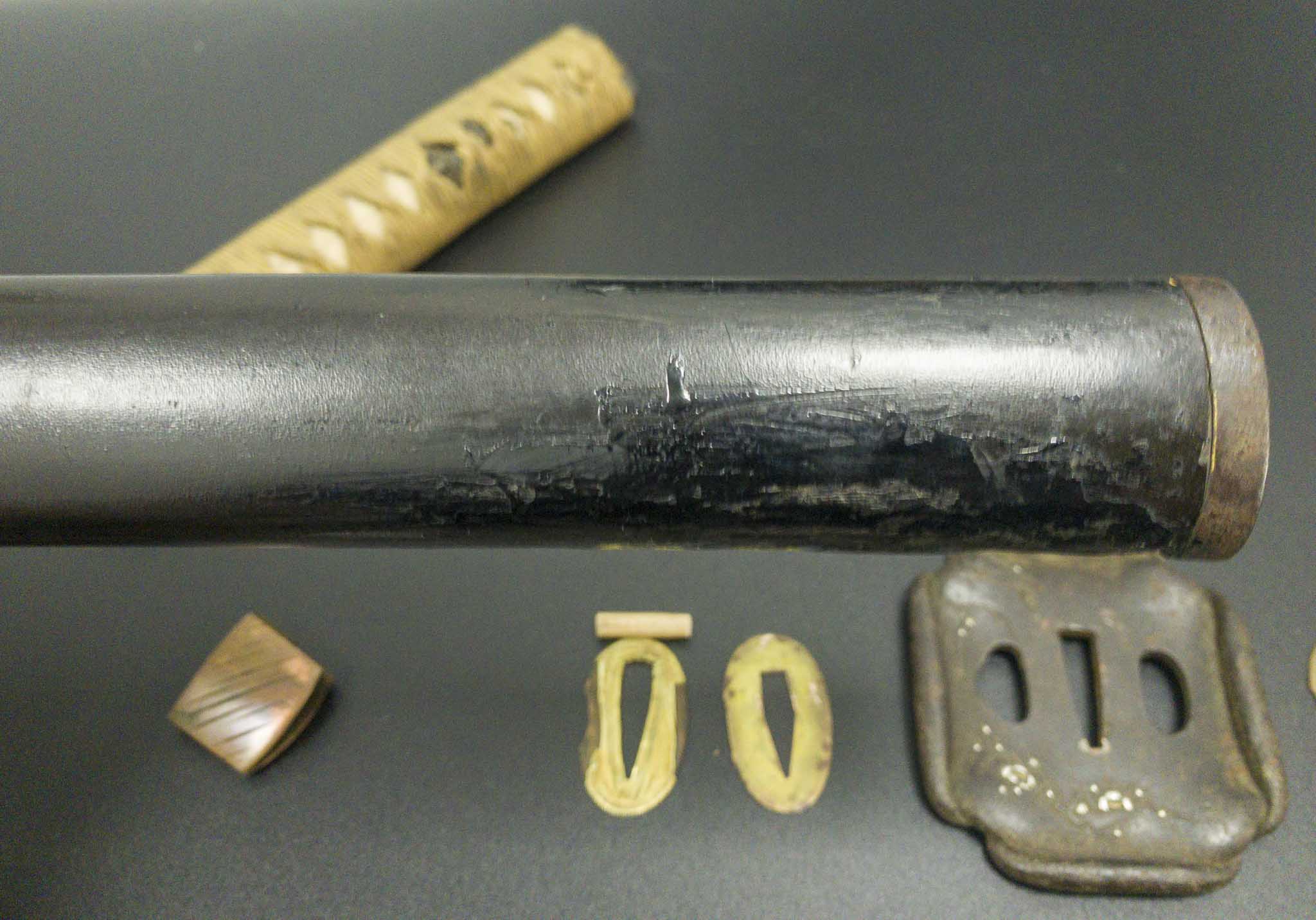
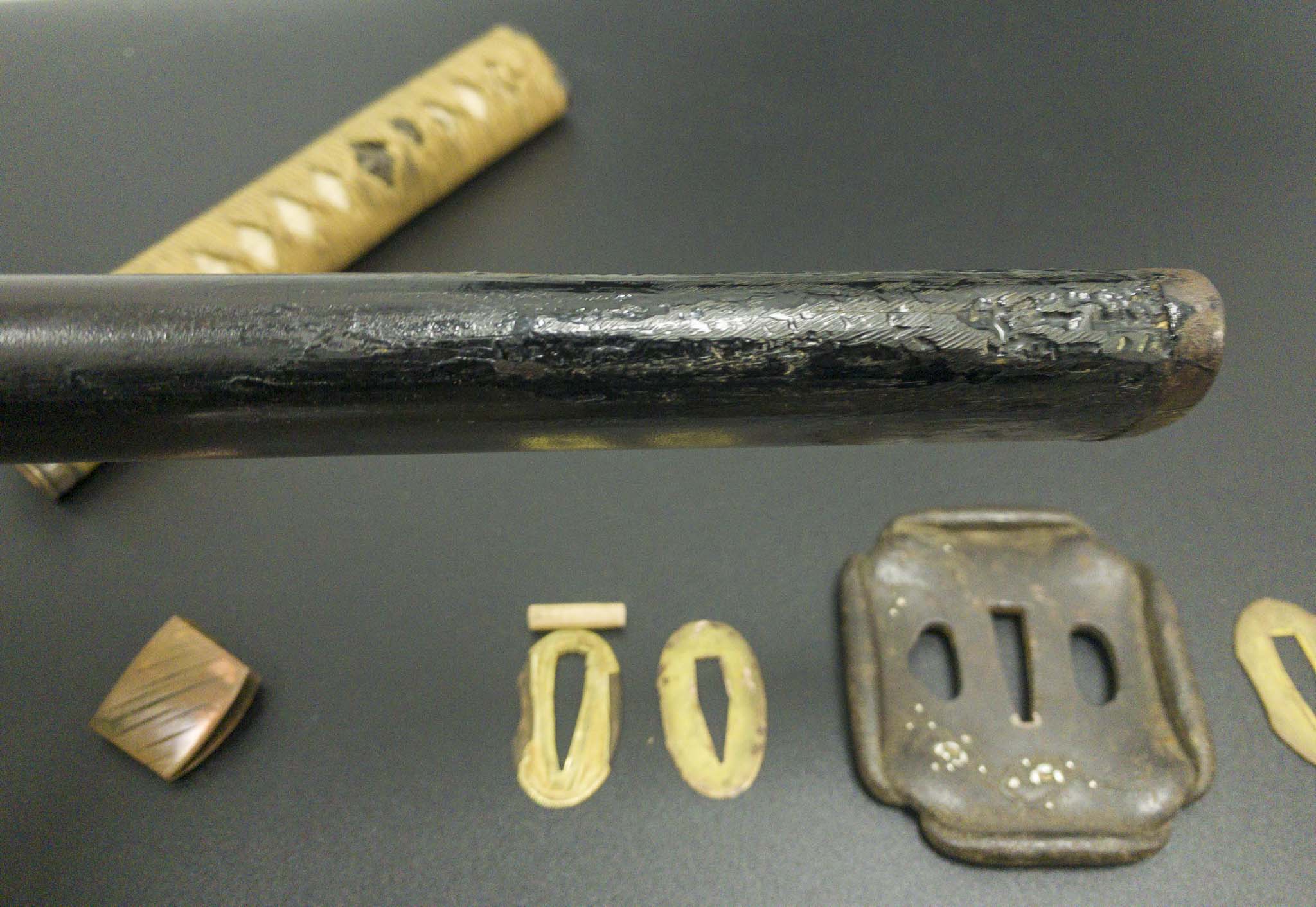
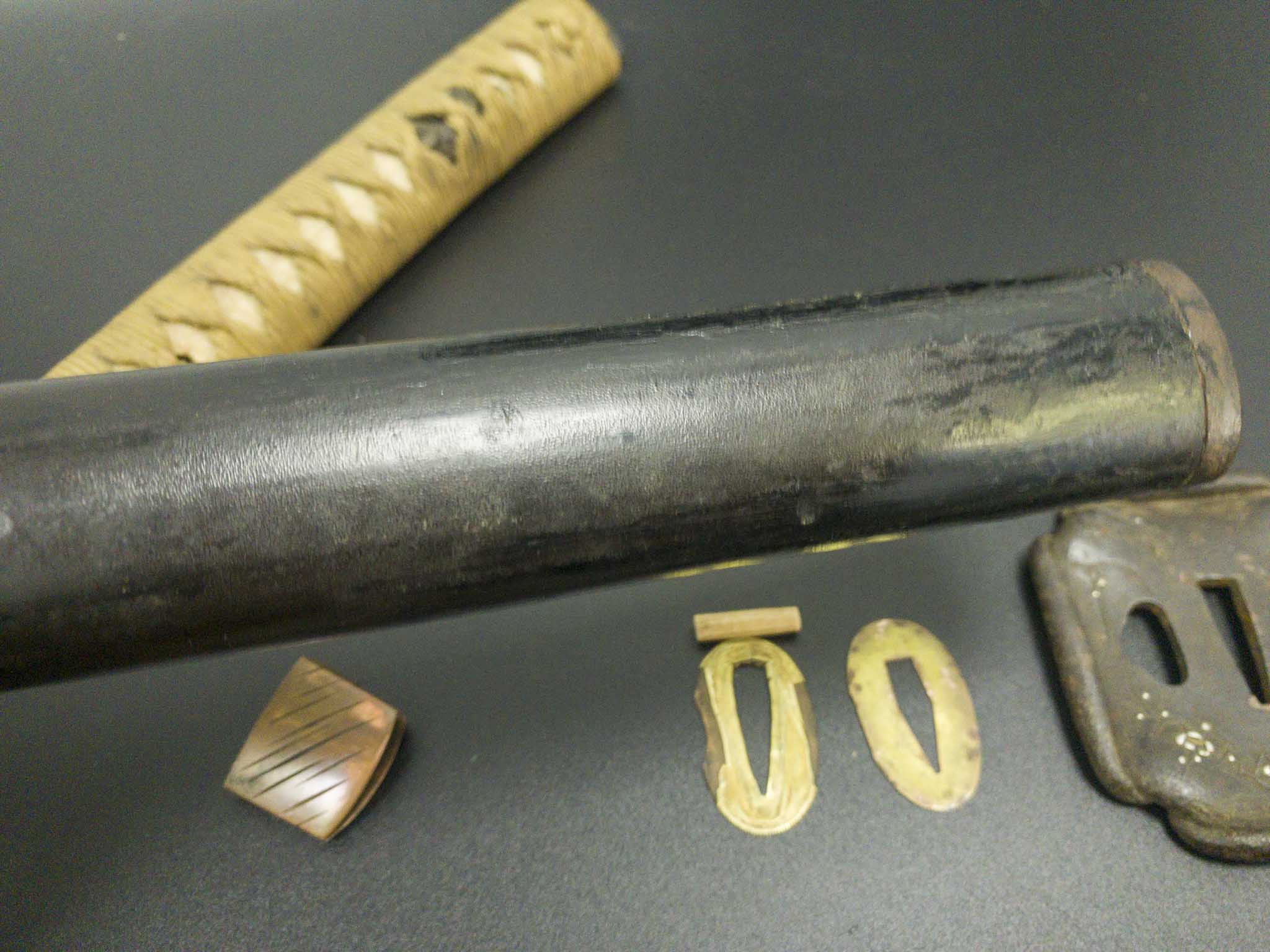
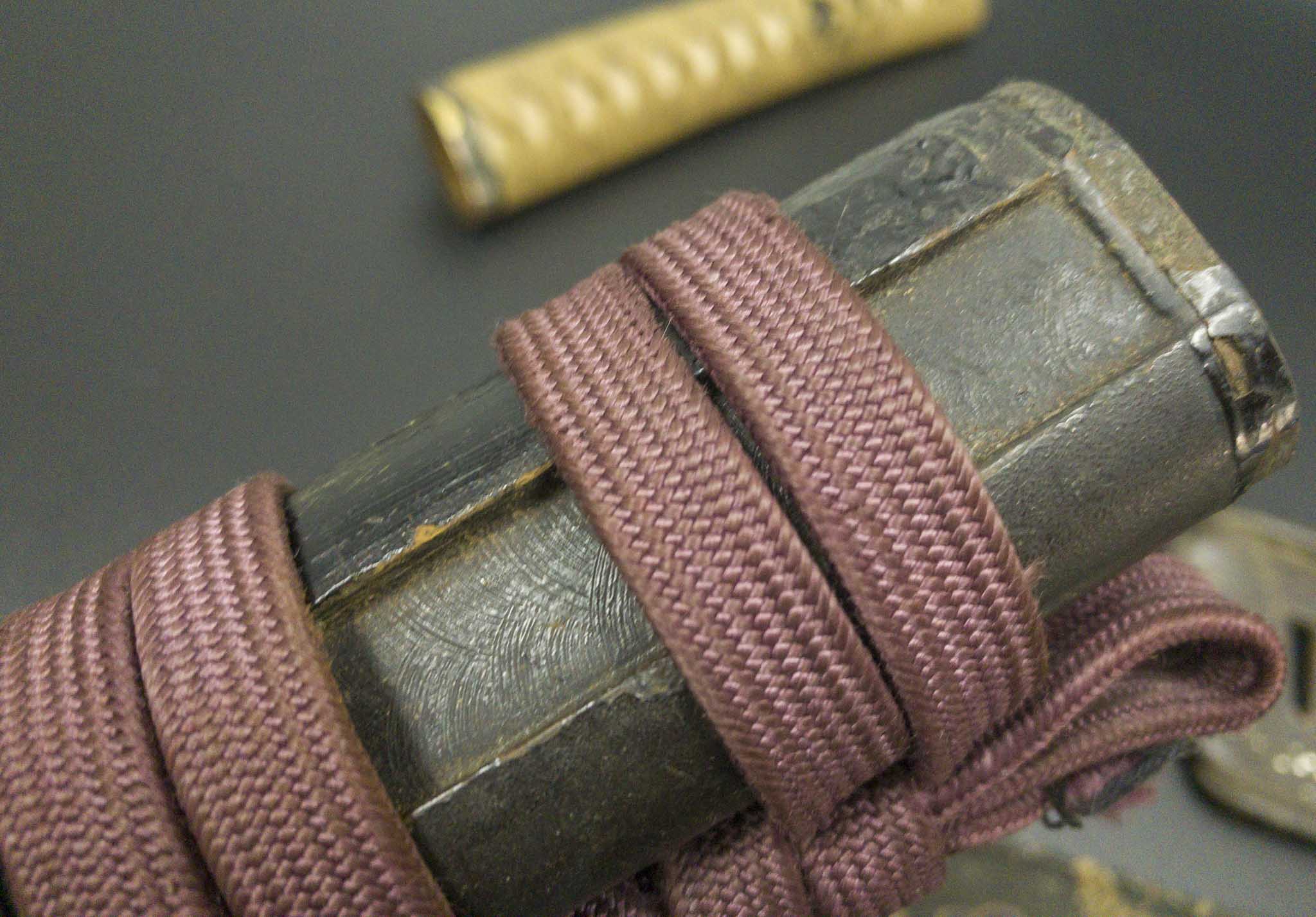
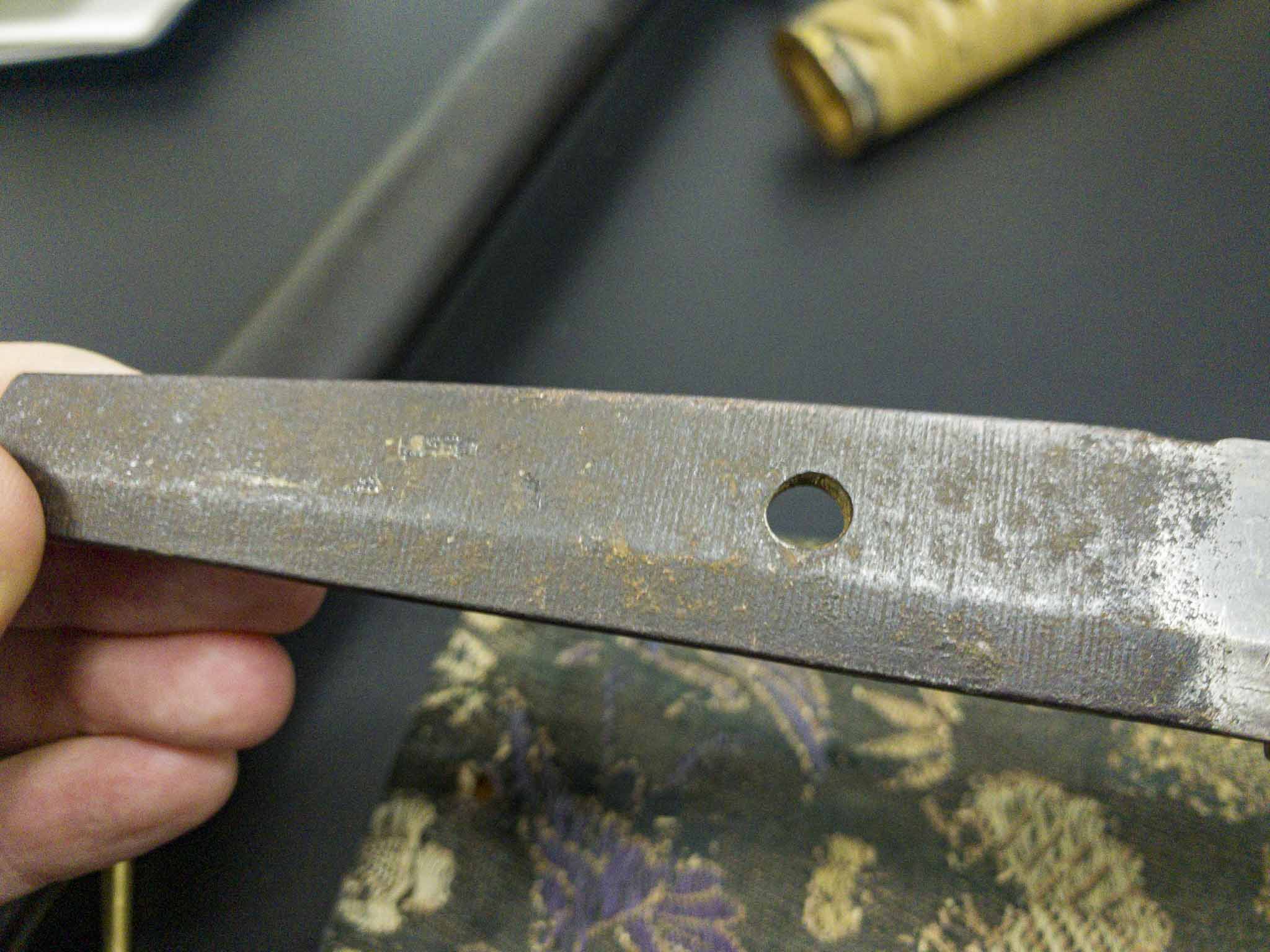
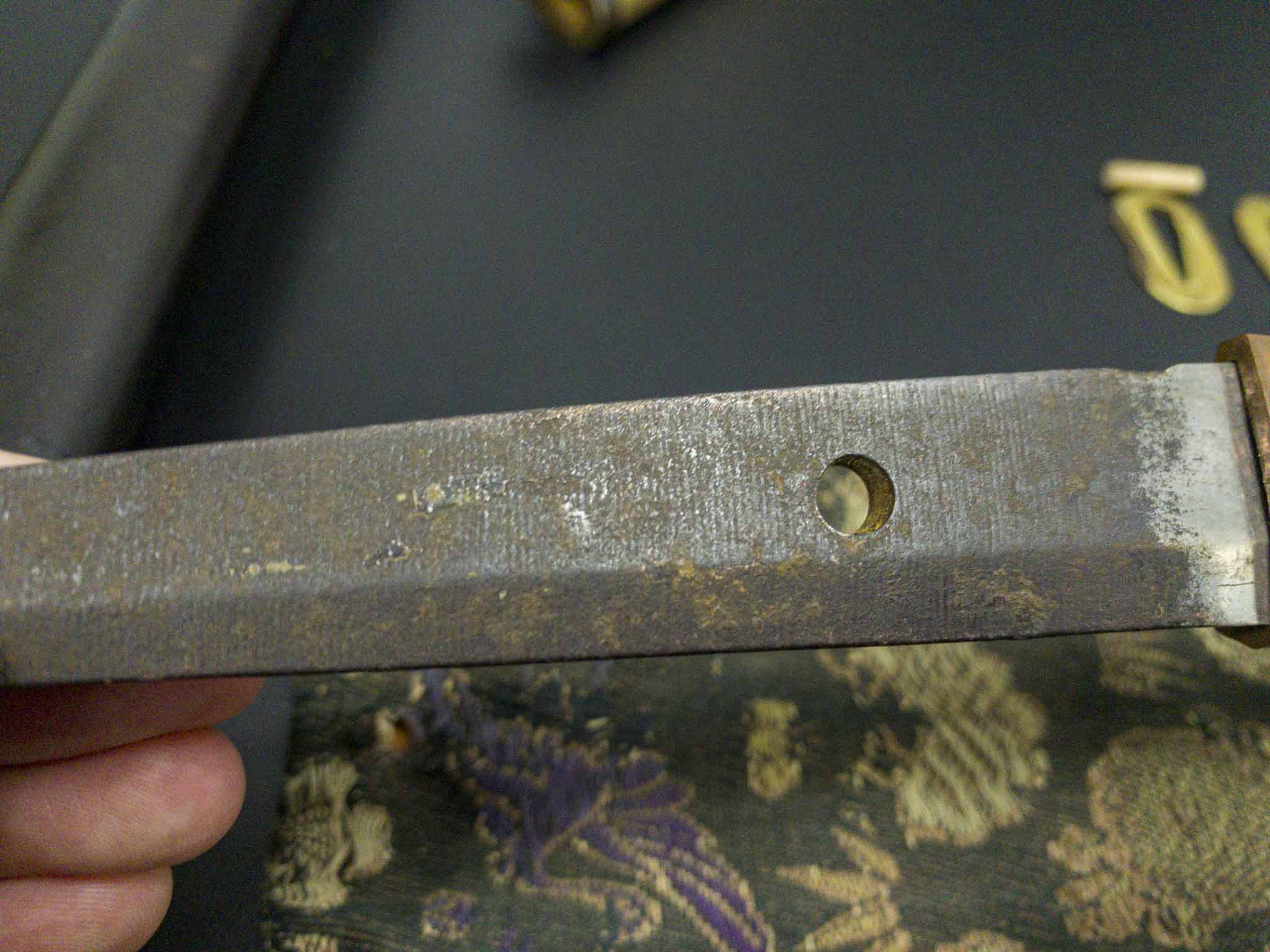
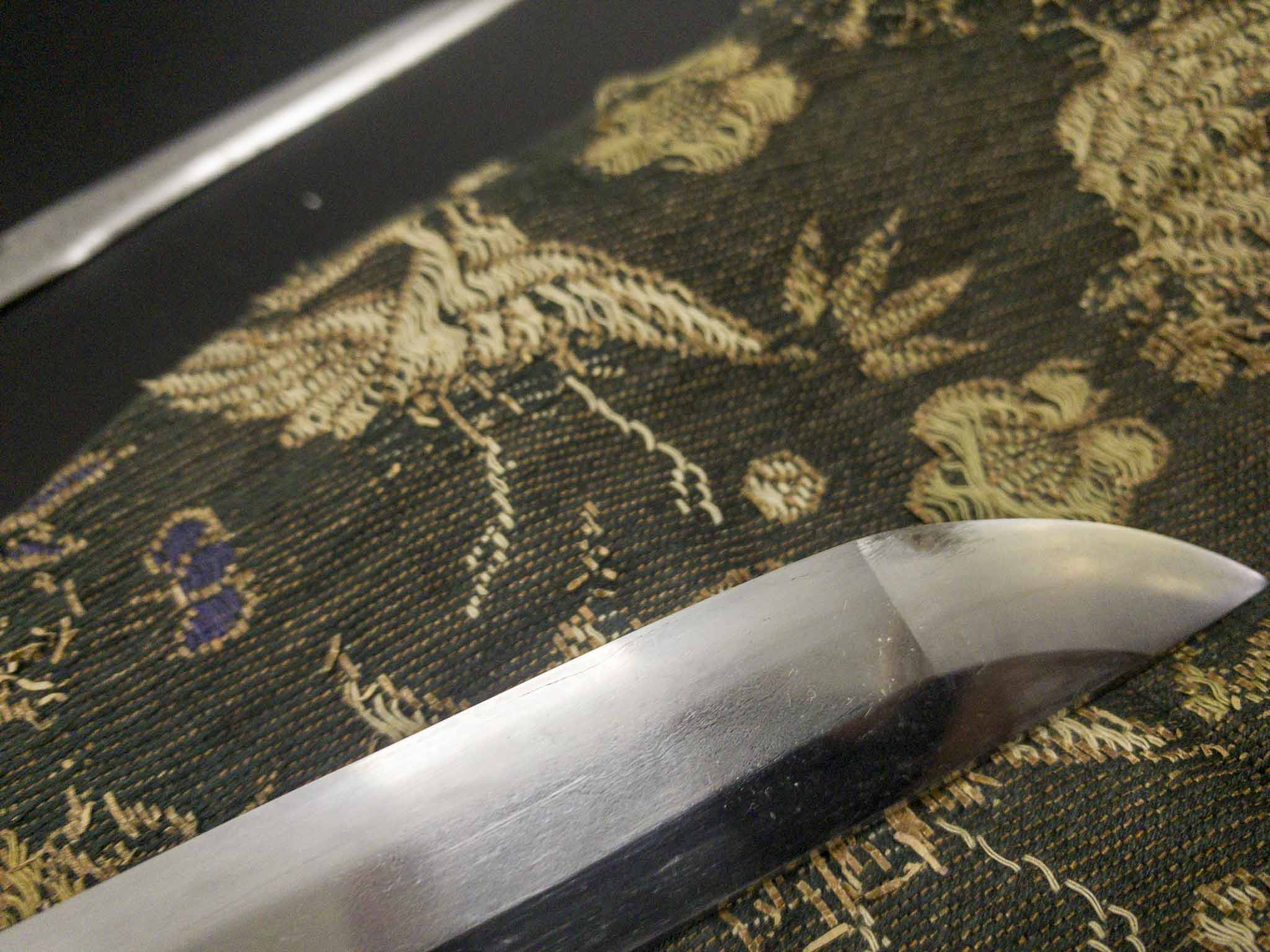
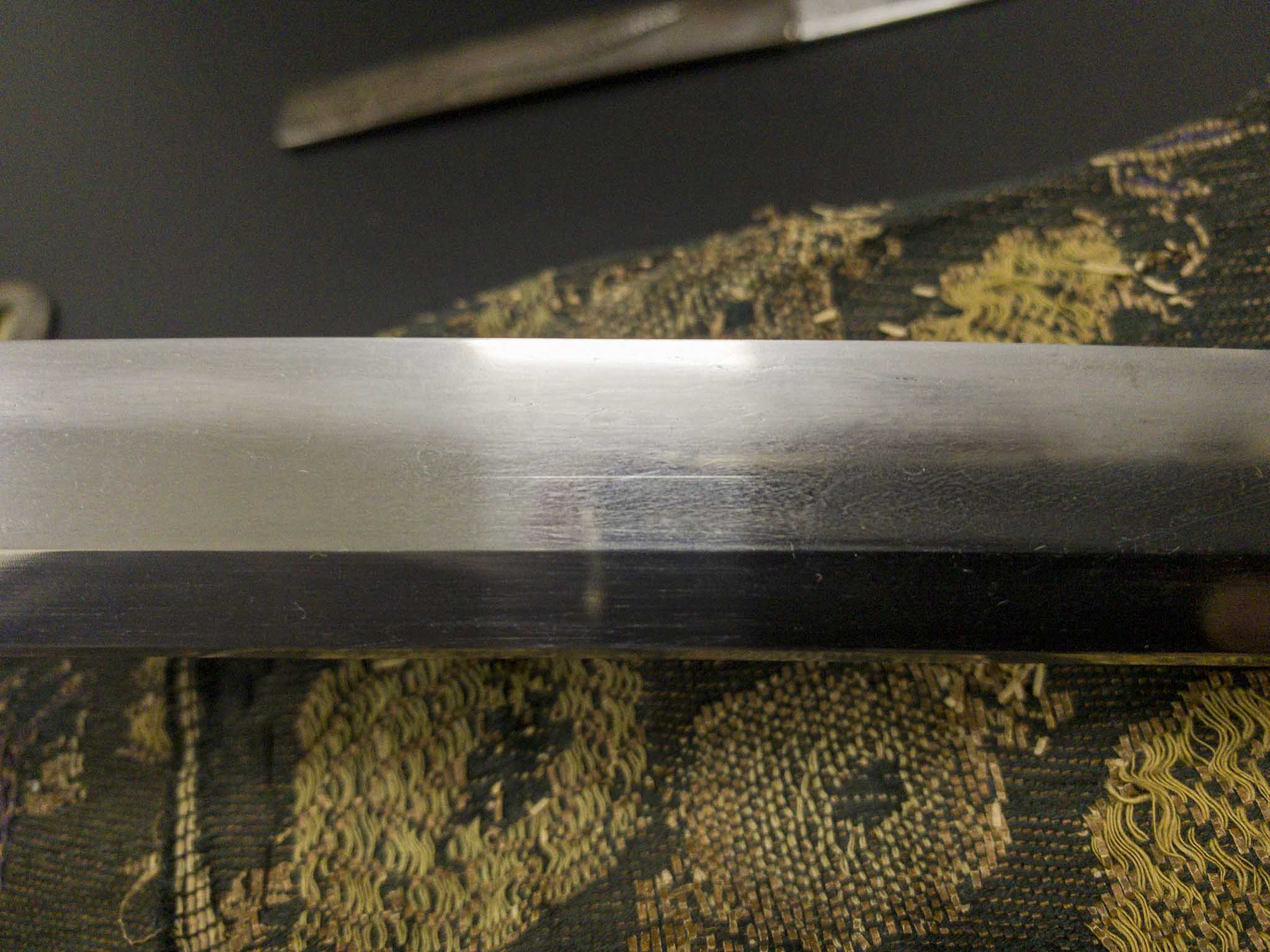
This is an original antique Japanese Wakizashi sword in Koshirae. Perfect for gifts and collectors. Go to the photo albumPhotos of the lot on offer are at the very bottom


Antique Japanese Wakizashi Sword in Koshirae
3,750 $
Purchase an original antique Japanese Wakizashi sword in Koshirae ⚔️, ideal for gifts and collecting.
Country: Japan Date: Edo period (1603—1868) based on certain characteristics of the blade. Manufacturer: Unknown Original Condition: The item is in good collectible condition. Included: Wakizashi in Koshirae. Collectible condition: 7/10.
DESCRIPTION
Historical Note:
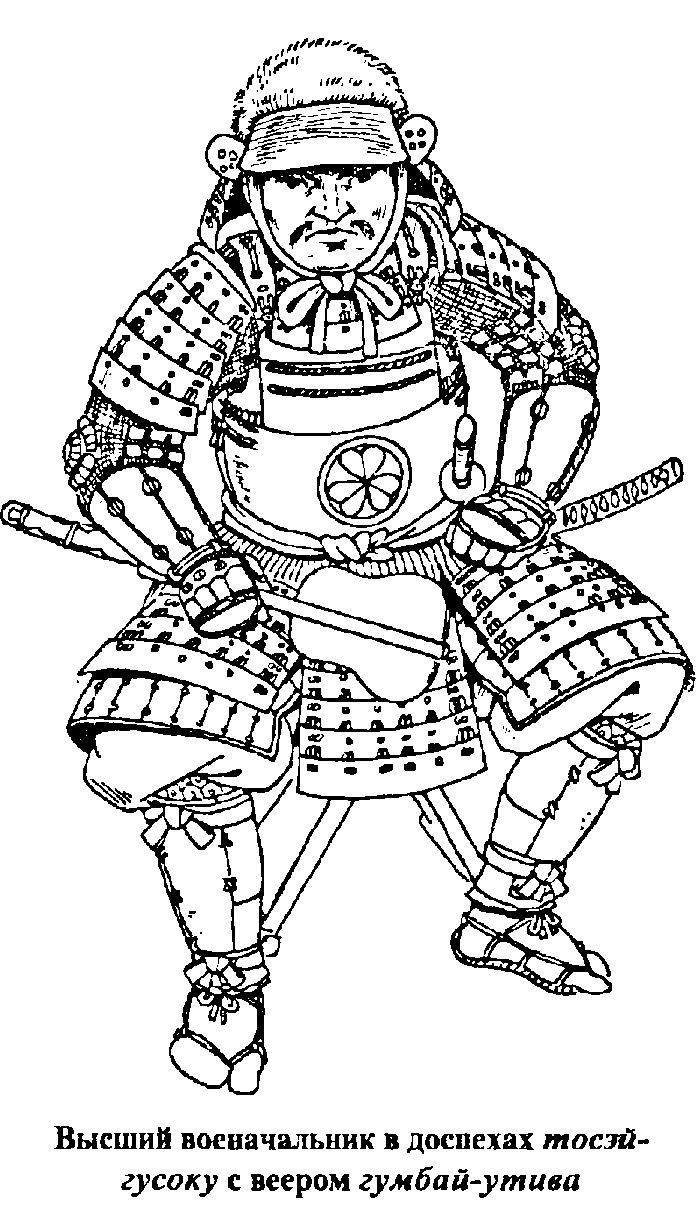
The early years following the peaceful Edo period still held the specter of war, and swords, armor, and other weaponry were strictly functional and practical. However, years of peace and the diminishing prospects of civil war led to a significant increase in the decorative aspects of weaponry. During the Edo period, every samurai was required to carry two swords, the daisho—katana and wakizashi (the larger and the smaller sword). A samurai rarely parted with them during the day or night, as they symbolized his honor and strength as a soldier in service to his lord. If his lord was dishonored or wronged and took his own life as a result, it was the duty of his vassals to rectify the wrong by eliminating the one who dishonored their lord, and if they survived and successfully accomplished their task, the law prescribed that they take their own lives.
Many legends and tales are associated with the Japanese sword. It was believed that during its creation, the swordsmith imbued it with a part of his soul. For instance, the famous 14th-century master Muramasa Senjo, a student of the great Masamune, crafted exquisite swords. However, he was known for his irritability and volatility, and his swords gained a reputation for being “bloodthirsty,” making them dangerous to possess (as they could provoke their owners into duels) and perilous to wield (as they could even lead to the owner’s demise). Many members of the Tokugawa clan perished at the hands of these blades. The Tokugawa’s hatred for the works of this master was so profound that they were systematically destroyed. It is precisely due to such reverence for the sword that it became the most elaborately adorned part of a samurai’s equipment.
The civilian clothing of a samurai was typically dark in color. Correspondingly, the sword’s fittings were usually made in reddish-brown, black, or gray. Overall, a simple black color, known as roiro, was considered a hallmark of good samurai taste; occasionally, its monotony was broken by relief work or alternating dull and bright areas on the surface for contrast. Occasionally, shimmering finishes created with gold dust or crushed shell were used, but this was considered vulgar, except in cases where one appeared at court, where luxury was expected.
Technical Specifications:
| Overall Size | cm |
| Blade Length | cm |
| Blade Width at Heel | cm |
| Blade Thickness at Heel | cm |
| Scabbard Length | cm |
| Handle Length | cm |
Photo Overview:
Go to the top of the ad











Add a review
Be the first to review “Antique Japanese Wakizashi Sword in Koshirae”
Related products
-
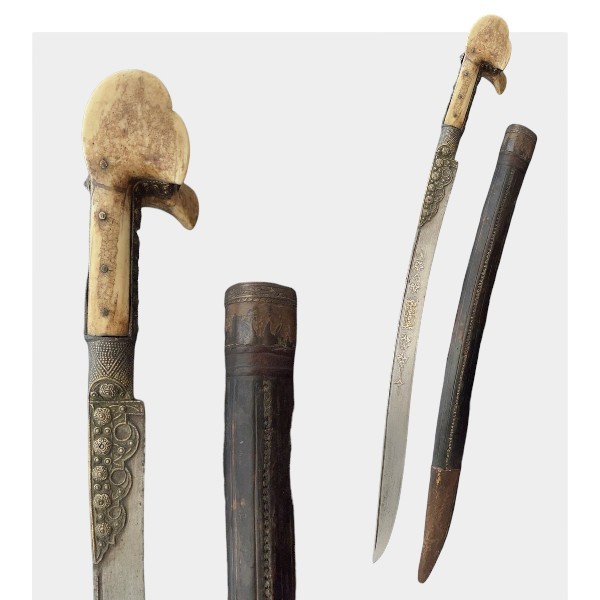
Yatagan of the Ottoman Empire with the inscription: “O Muhammad, be my assistant.” 1824
Original price was: 4,250 $.3,749 $Current price is: 3,749 $.










Updating…
There are no reviews yet.