


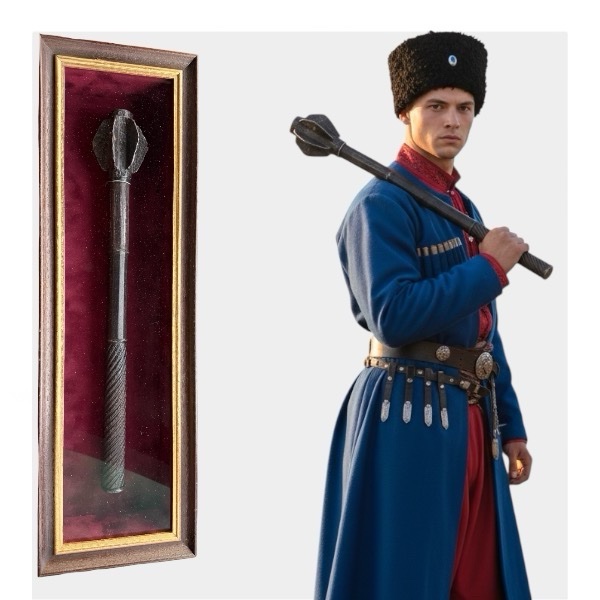
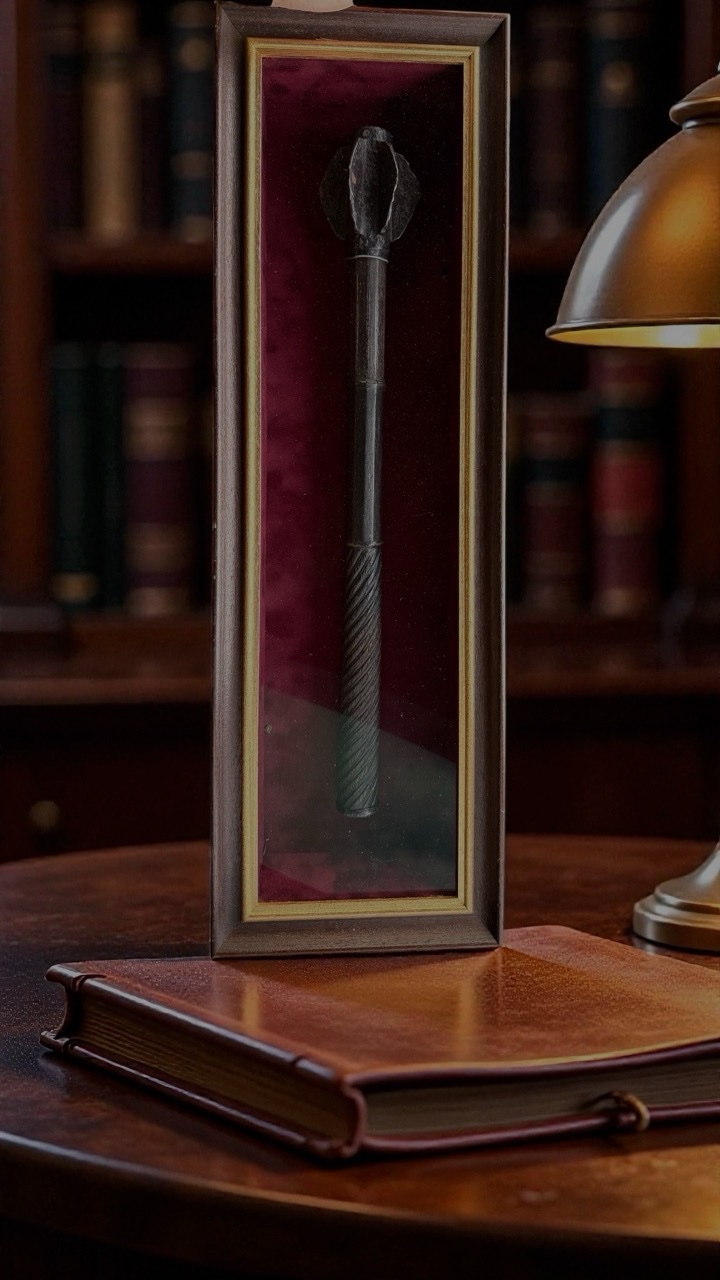
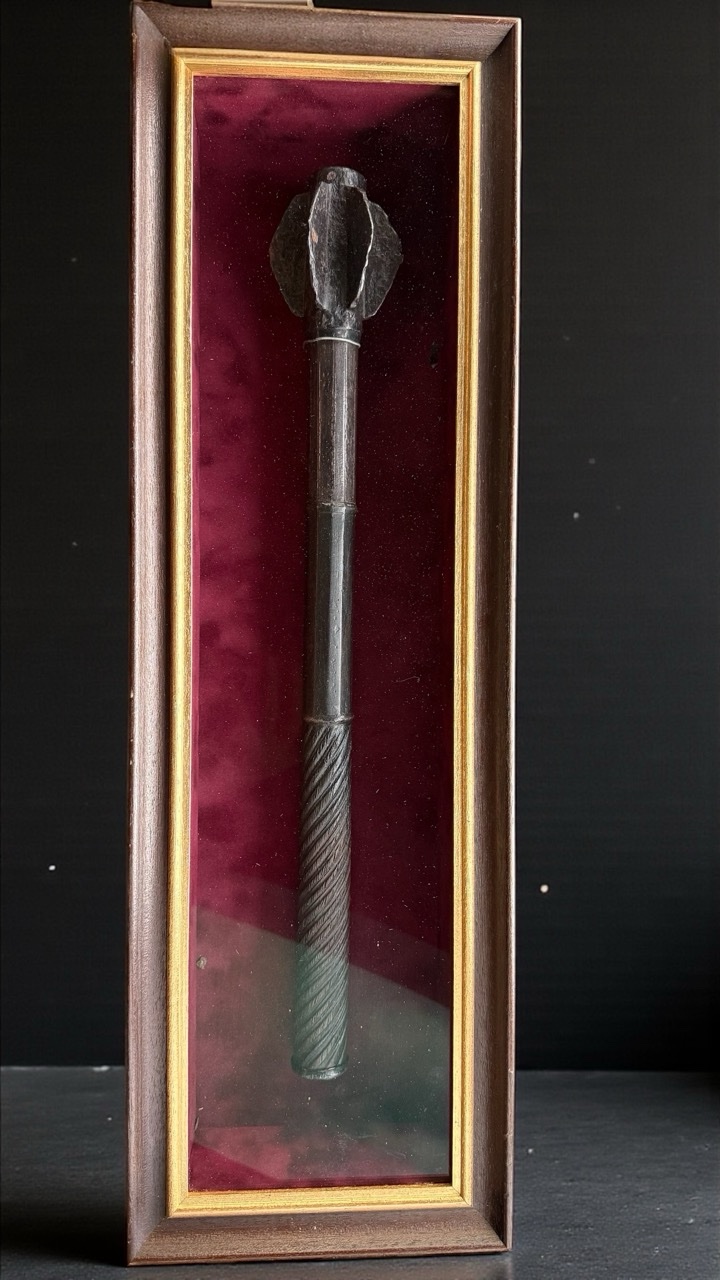
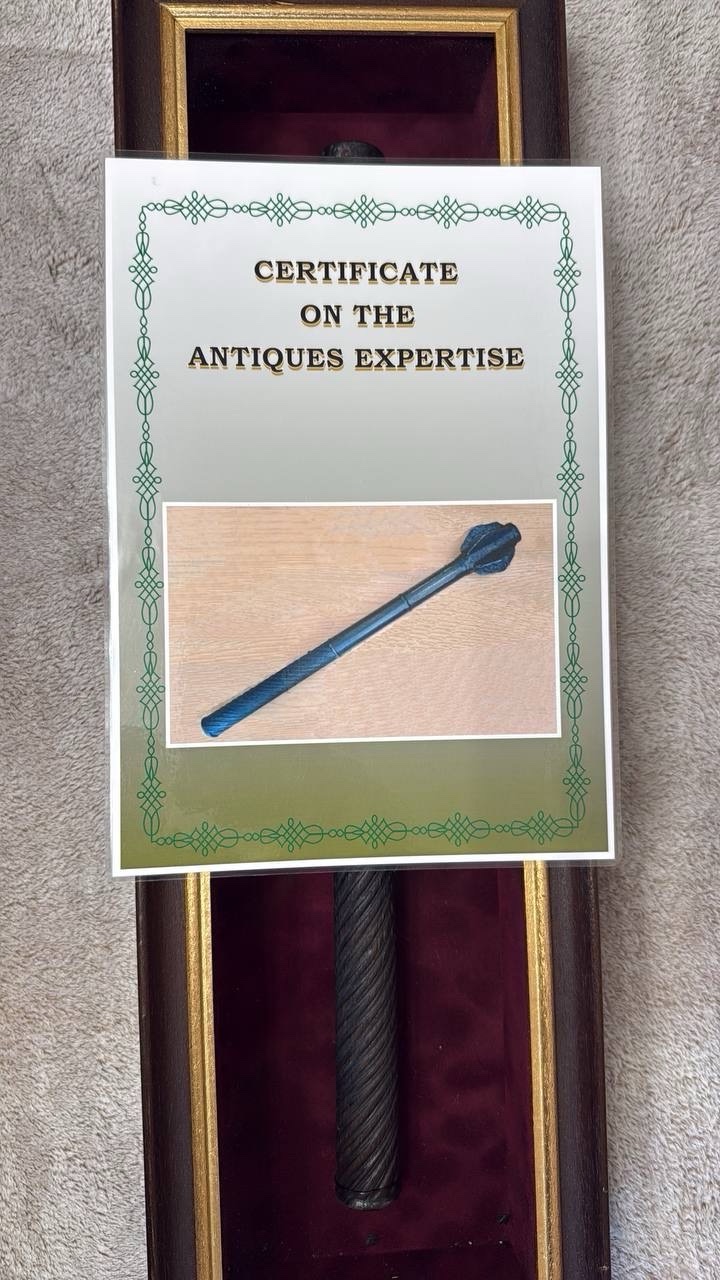
Battle Six-Peak (Pernach) of the First Half of the 17th Century
2,499 $
Basic Information about the Item
| Product Name | Six-Peak (Pernach) of the Cossack Period |
|---|---|
| Dating | First Half of the 17th Century |
| Region | Ukraine, Poland, Hungary (Commonwealth) |
| Overall Weight | 680 grams |
Morphological Characteristics and Description
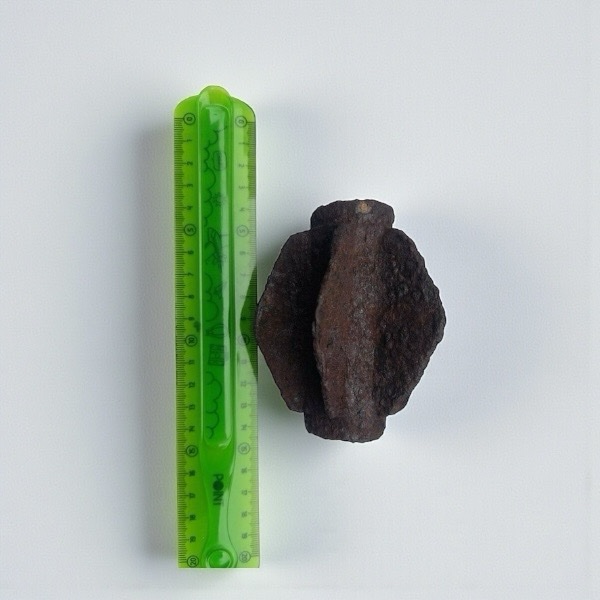
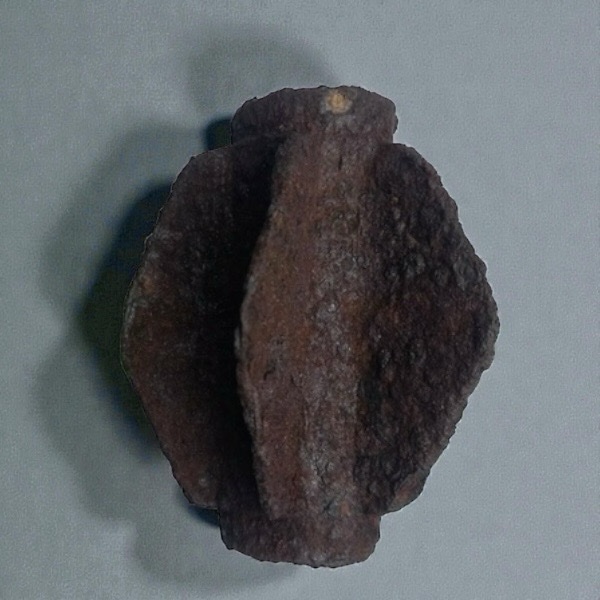
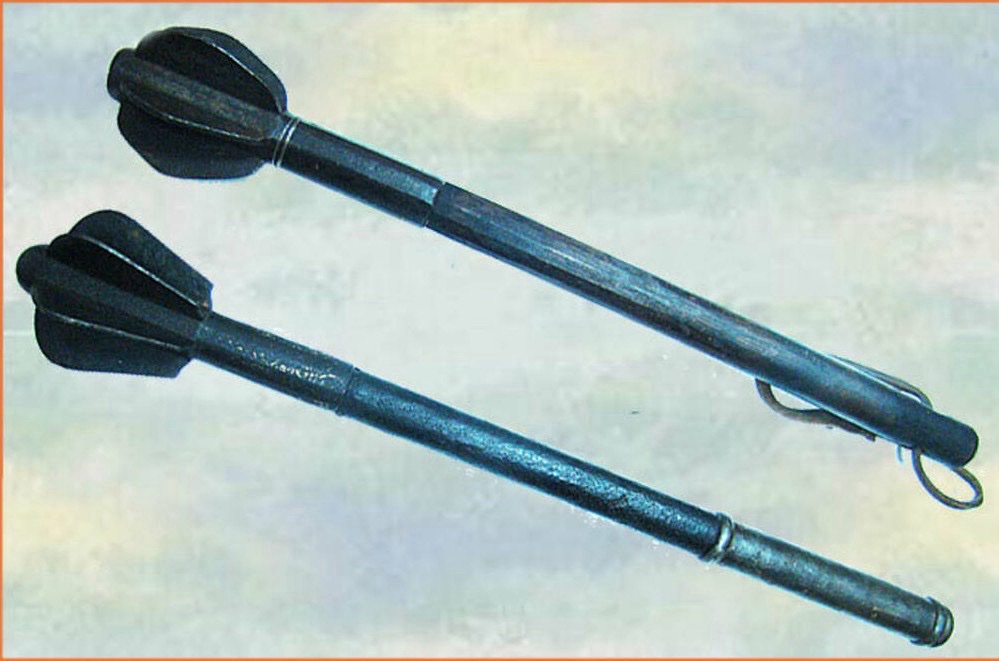
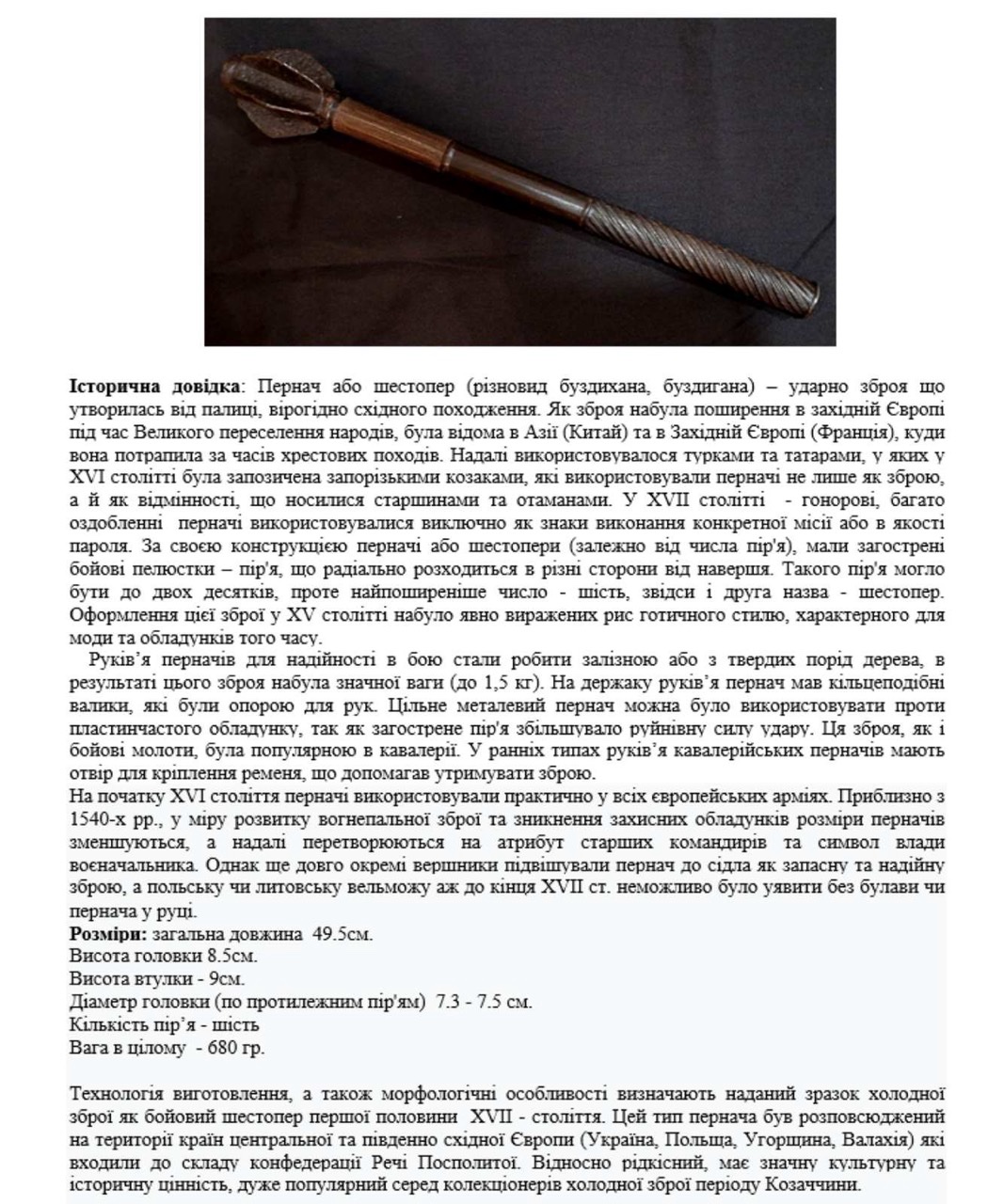
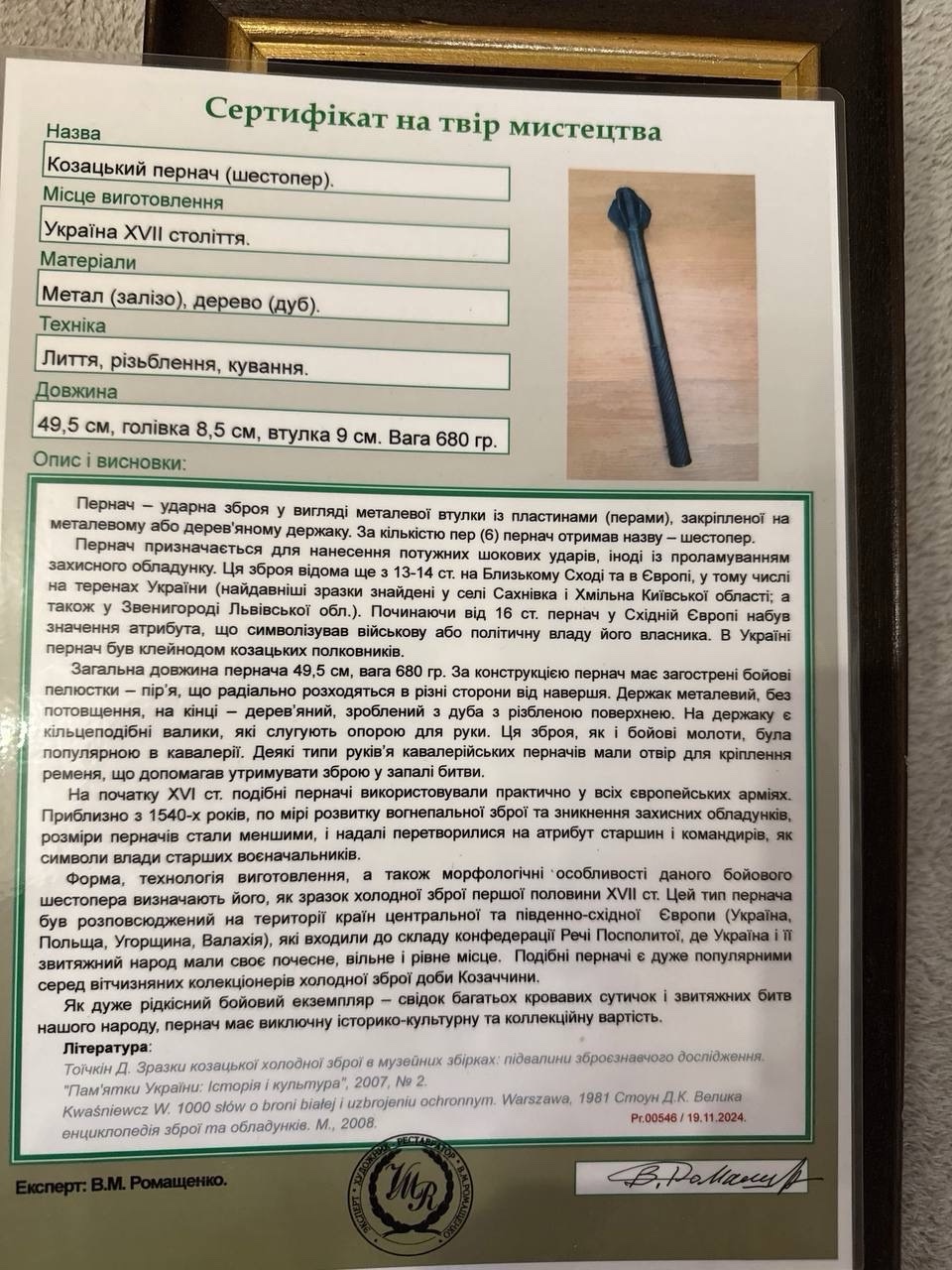
The presented specimen is a battle six-peak, which belongs to the striking and crushing type of weapon. This example features balanced proportions and a classic design characteristic of the first half of the 17th century.
Combat Part The combat part consists of six pointed metal blades, known as peaks. These peaks radiate outward from the tip. The height of the head is 8.5 cm, and its diameter at opposite edges reaches 7.5 cm. The design of this part of the weapon carries elements of Gothic style, which dominated the design of armor and weaponry of that time. The pointed edges of the peaks significantly increased the destructive power of the strike, allowing it to effectively pierce heavy plate armor.
Shaft The shaft has an overall length of 49.5 cm and is equipped with a metal sleeve 9 cm high. The handle’s design includes ring-shaped rollers that served as a support for the warrior’s hand. For cavalry types of this weapon, the presence of a hole for a leather strap was characteristic, which helped to secure the weapon during dynamic combat. The relatively light weight of 680 grams indicates that this pernach could be used not only in battle but also as a symbol of military rank.
Historical Context and Military Application
The pernach is an evolutionary form of the battle mace, which gained recognition in European armies during the Crusades. In the 16th century, this weapon was adopted by the Zaporozhian Cossacks from the Turks and Tatars.
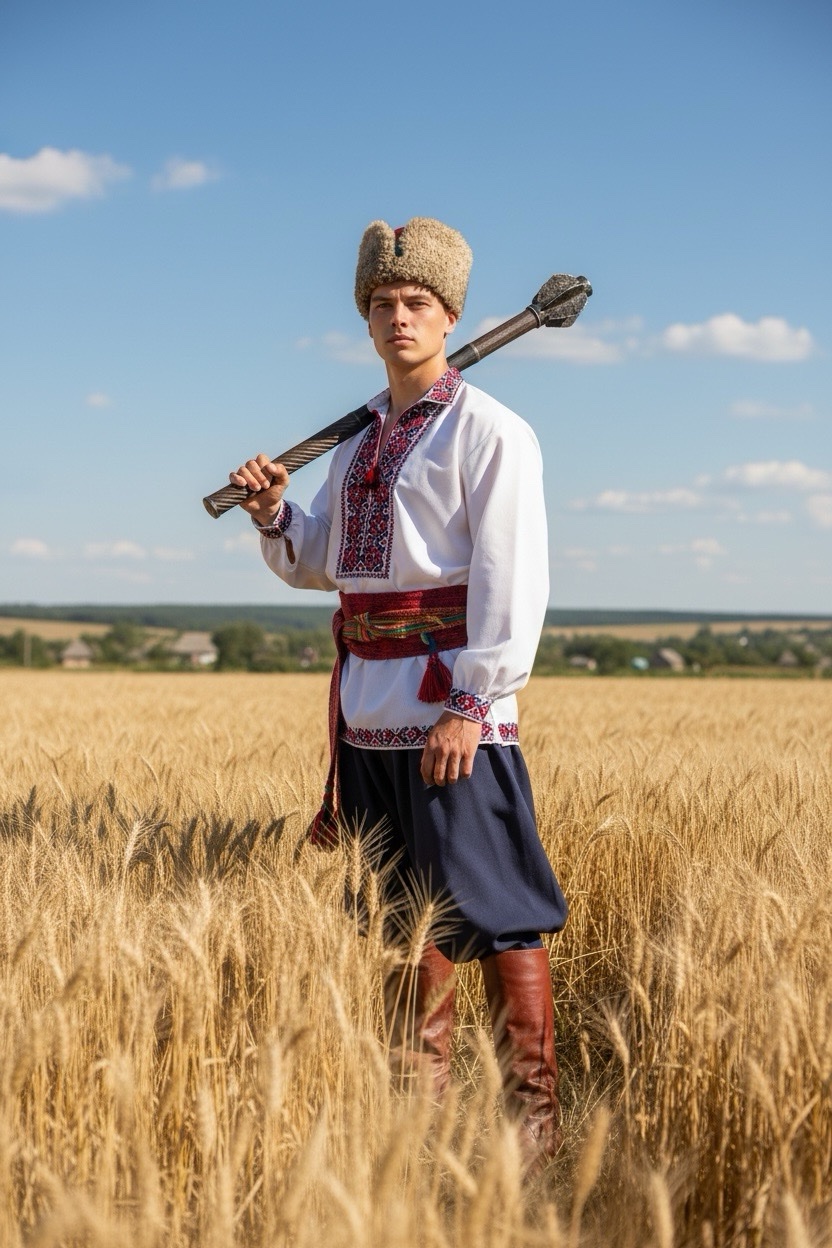
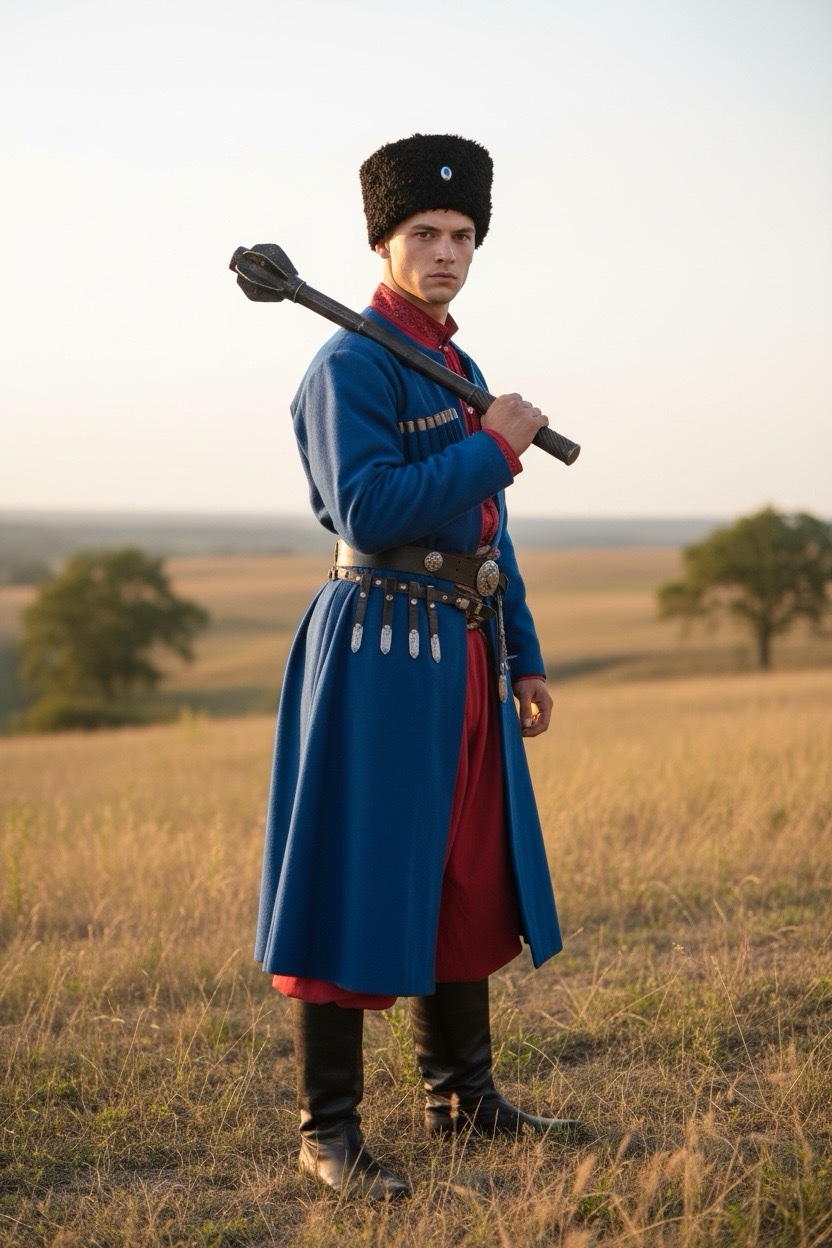
Symbol of Authority: Among the Cossack elders and atamans, the pernach served as an important distinguishing mark. In the 17th century, richly decorated pernaches were used exclusively to confirm the status of a commander or as a distinguishing mark during diplomatic and military missions.
Cavalry Weapon: Six-peaks were extremely popular among the mounted warriors of the Ukrainian Registered Cossacks and the nobility of the Commonwealth. This weapon was considered a reliable backup for close combat, which was hung from the saddle.
Era of Battles: Such types of weaponry were actively used in large-scale conflicts of the 17th century, including battles during the Thirty Years’ War and uprisings led by Bohdan Khmelnytsky. It was impossible to imagine a Polish or Lithuanian military leader of that time without a mace or pernach.
This specimen is a rare testament to the Cossack era. It holds high cultural and scientific value for private collections and museums specializing in the history of cold weapons in Central and Southeastern Europe.
Add a review
Be the first to review “Battle Six-Peak (Pernach) of the First Half of the 17th Century”
Related products
-
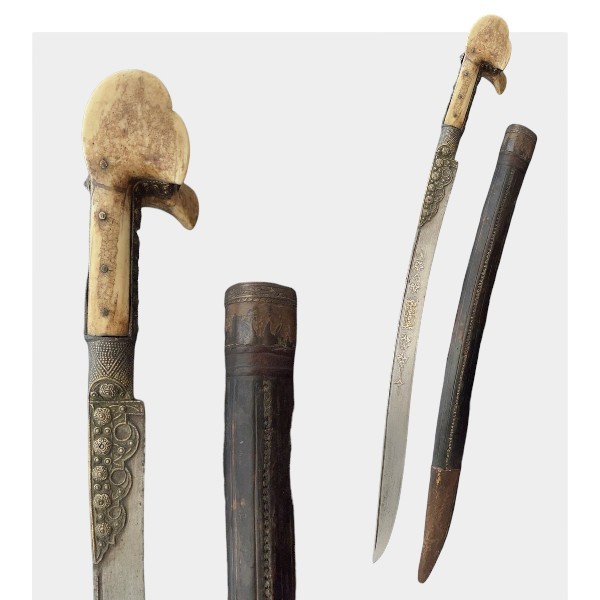
Yatagan of the Ottoman Empire with the inscription: “O Muhammad, be my assistant.” 1824
Original price was: 4,250 $.3,749 $Current price is: 3,749 $.













Updating…
There are no reviews yet.