



Cossack Cavalry Mace (Nadzyak) of the 17th Century
1,500 $
Authentic Cossack Cavalry Mace (Nadzyak) of the 17th Century, Hand Forged
Basic Information about the Item
| Product Name | Cossack Cavalry Mace with a Metal Shaft |
|---|---|
| Dating | 17th Century (based on morphological characteristics) |
| Place of Origin | Ukraine, lands of the Registered and Lower Cossacks. |
| Material | Wrought Iron |
| Manufacturing Technique | Hand forging, metalworking. |
Type of Weapon and Morphological Description
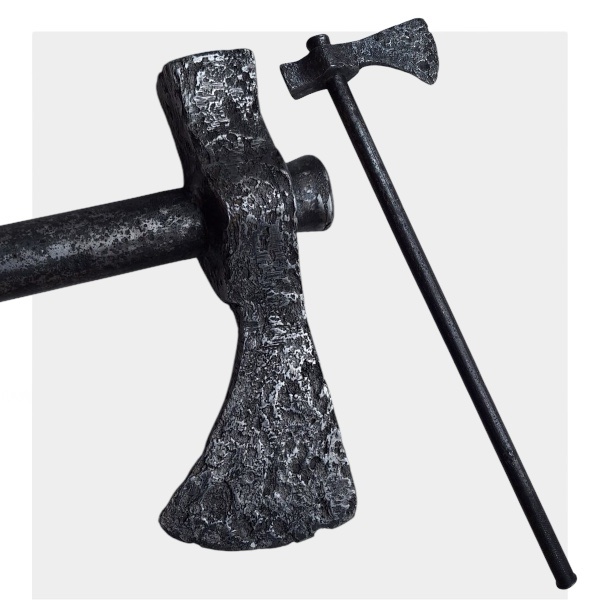
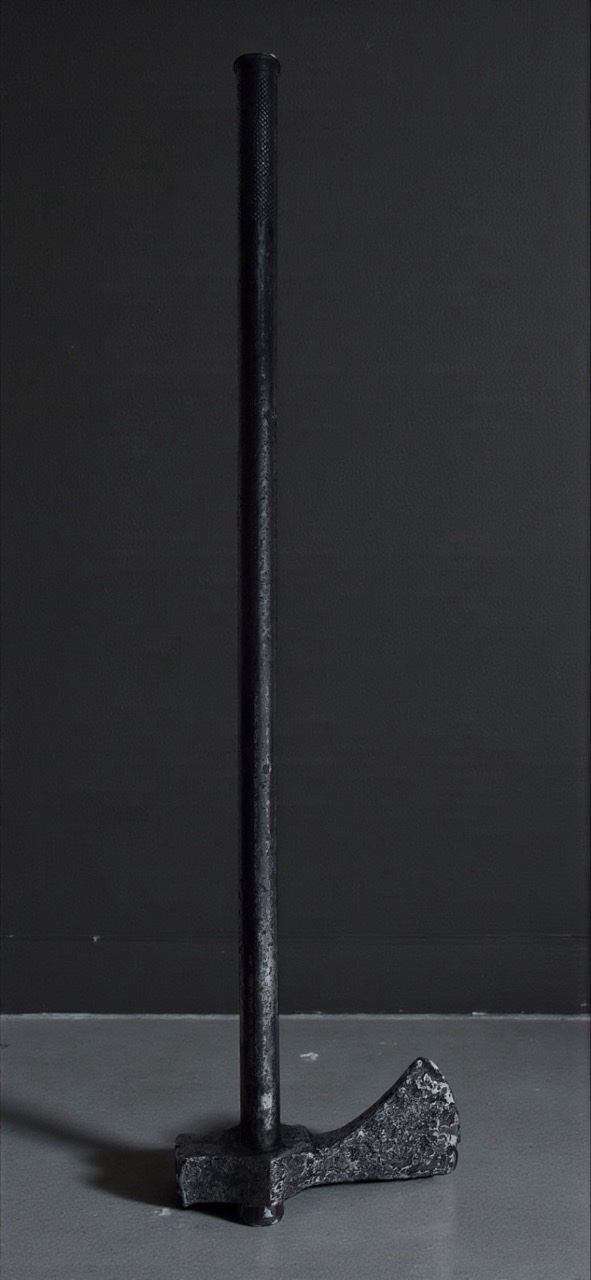
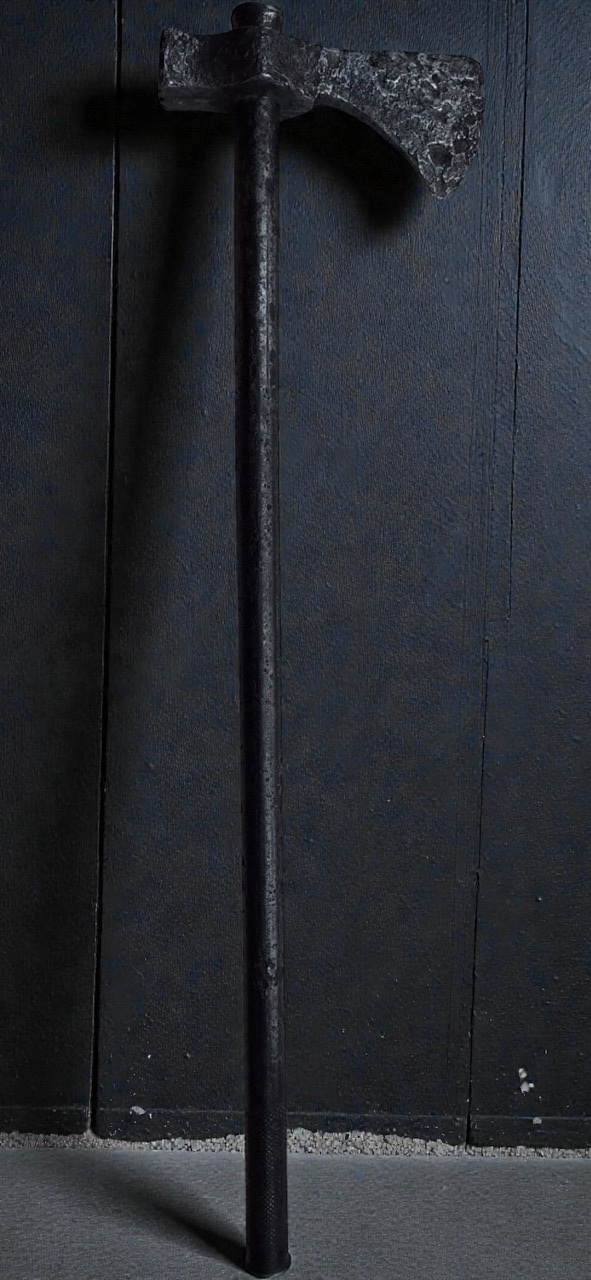
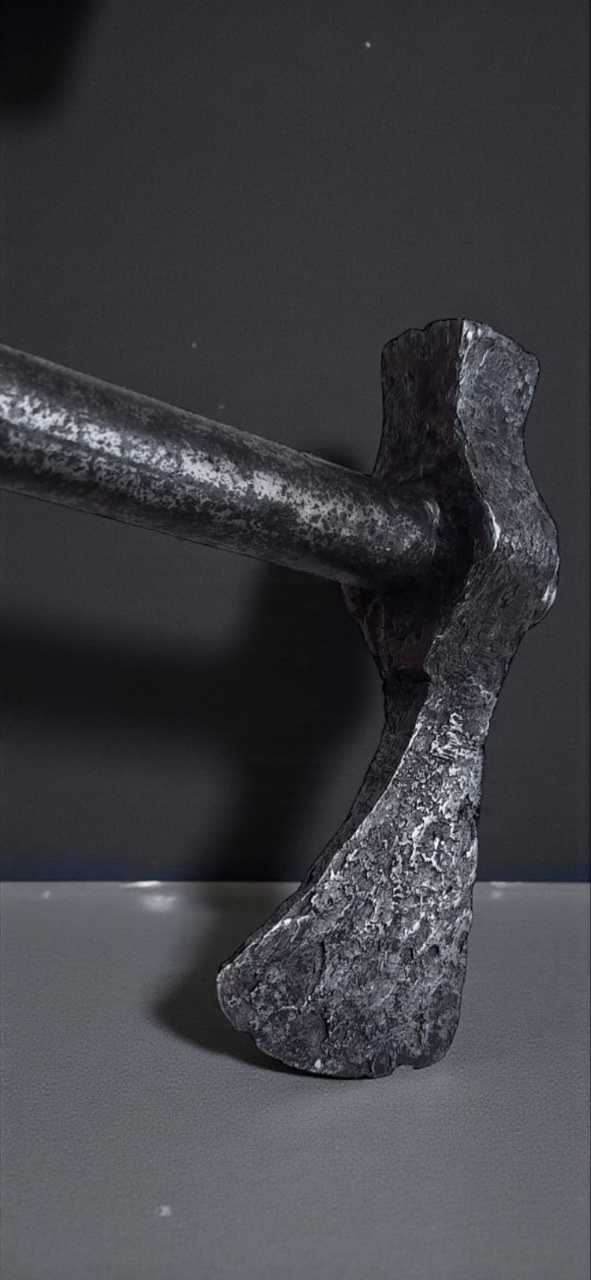
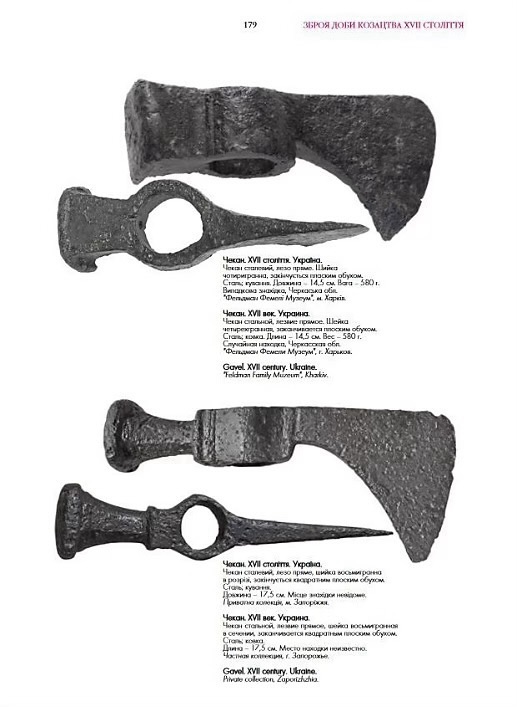
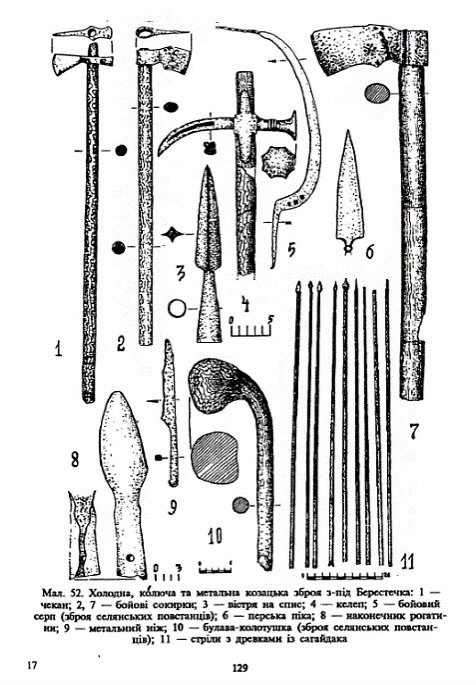
The presented item is a mace (Old Polish: czakan), a type of striking and cutting military weapon, which is a type of battle axe with a shaped blade and a massive poll. This specimen was made by hand forging.
Blade
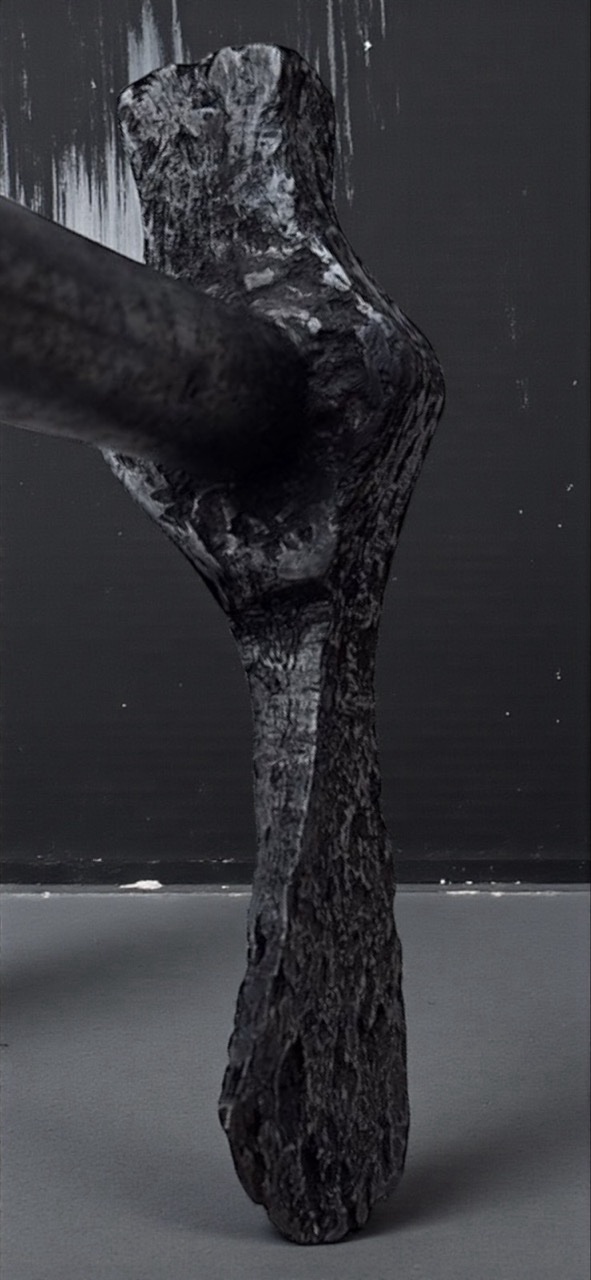
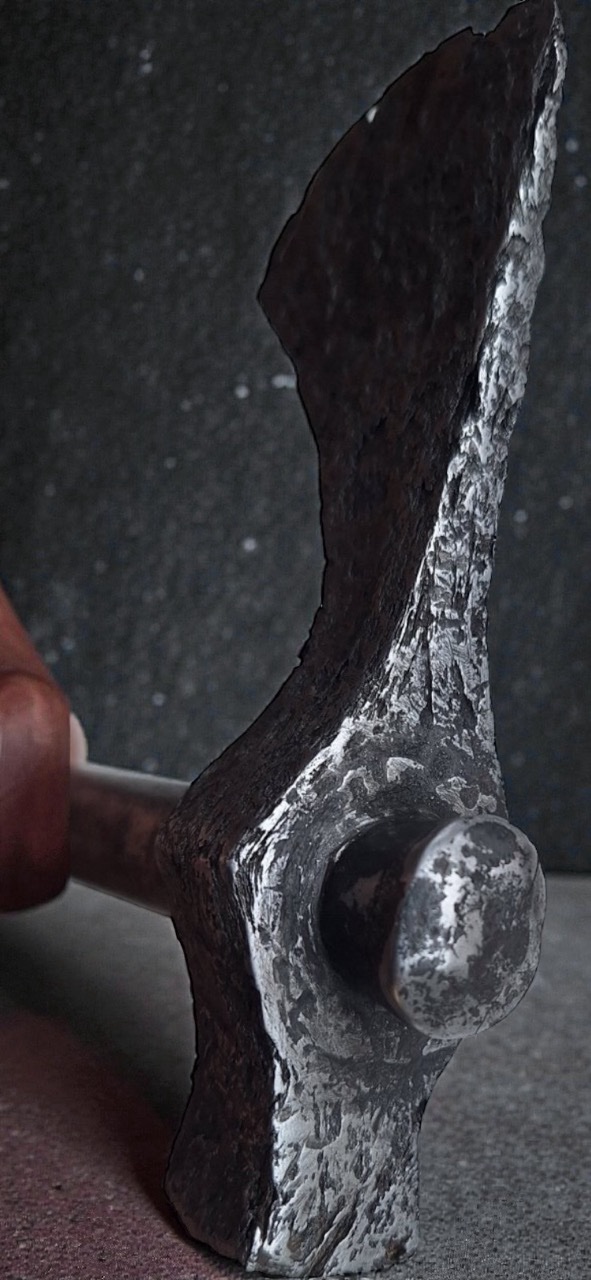
The blade is flat and has a triangular shape. It is asymmetrically elongated horizontally with an expansion downward. In cross-section, the blade tapers from the socket to the striking part. The edge is narrow and has a pronounced bevel towards the shaft.
Poll and Socket
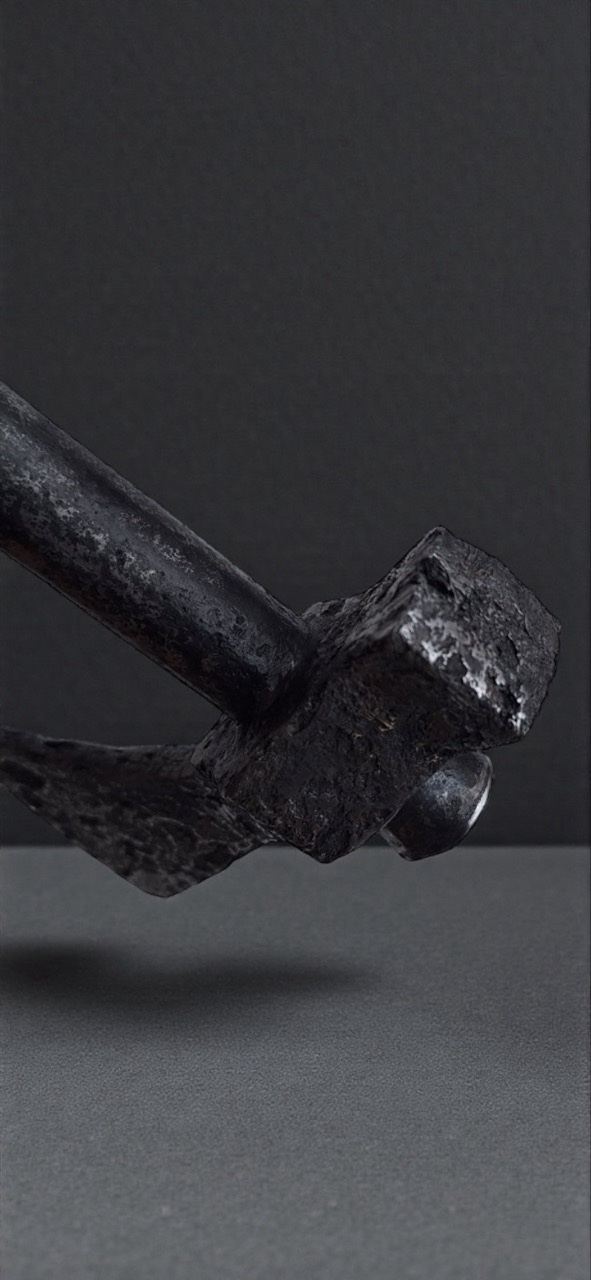
The socket is massively attached to the short neck of the blade. The poll is of classic design. This element served as a combat and inertial counterweight.
Shaft
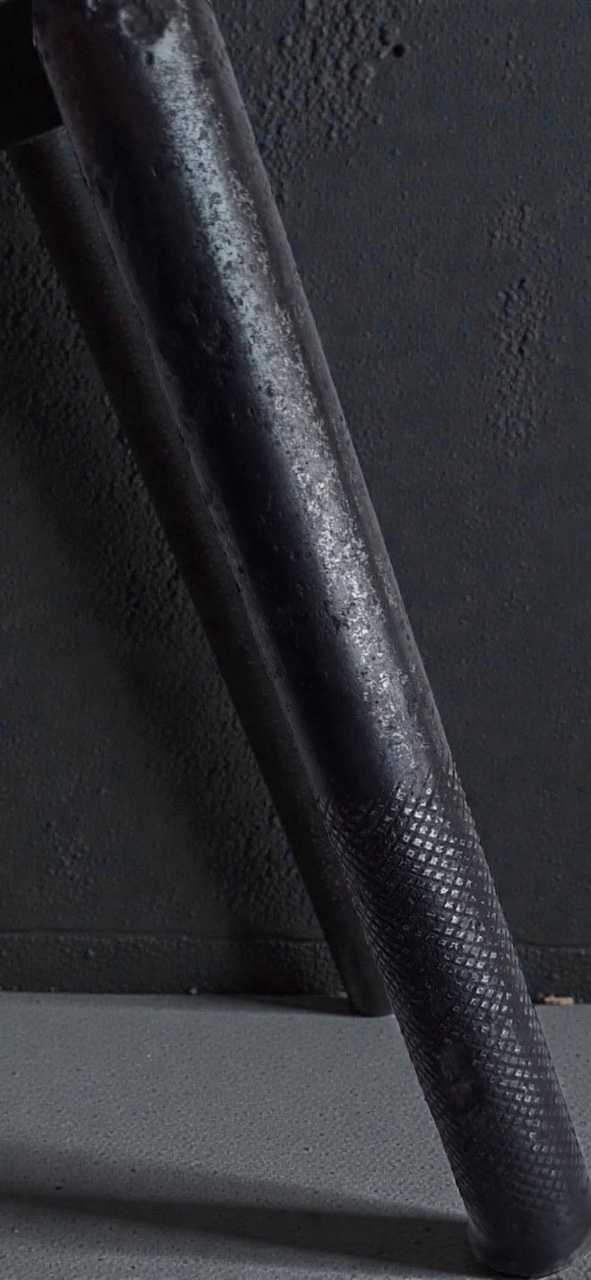
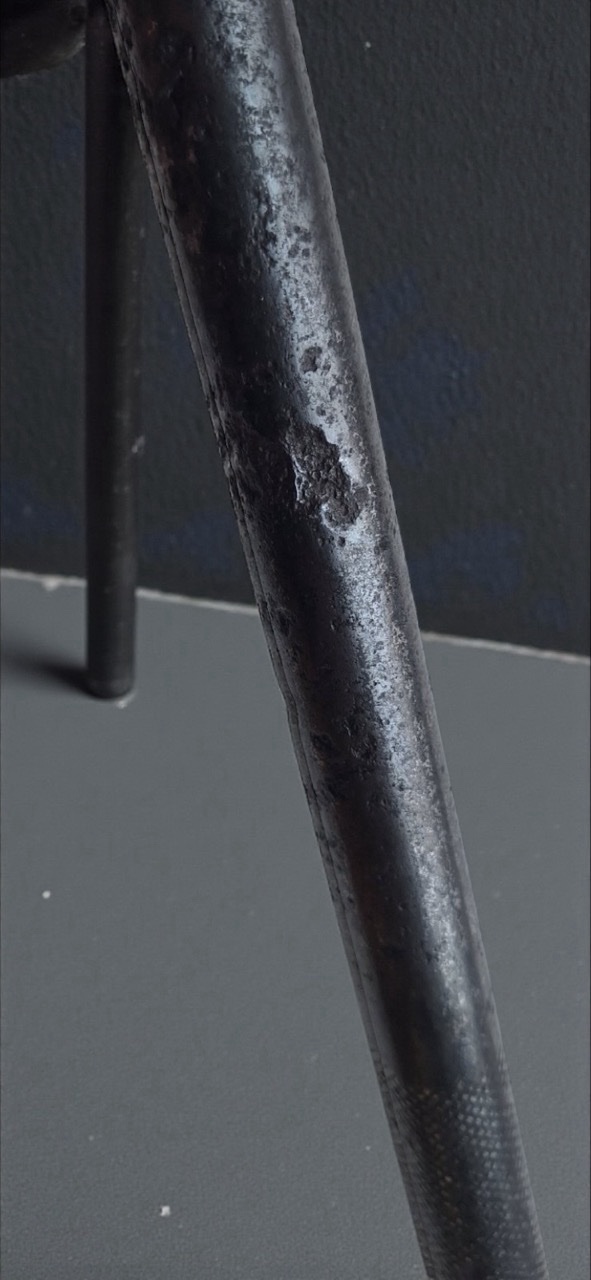
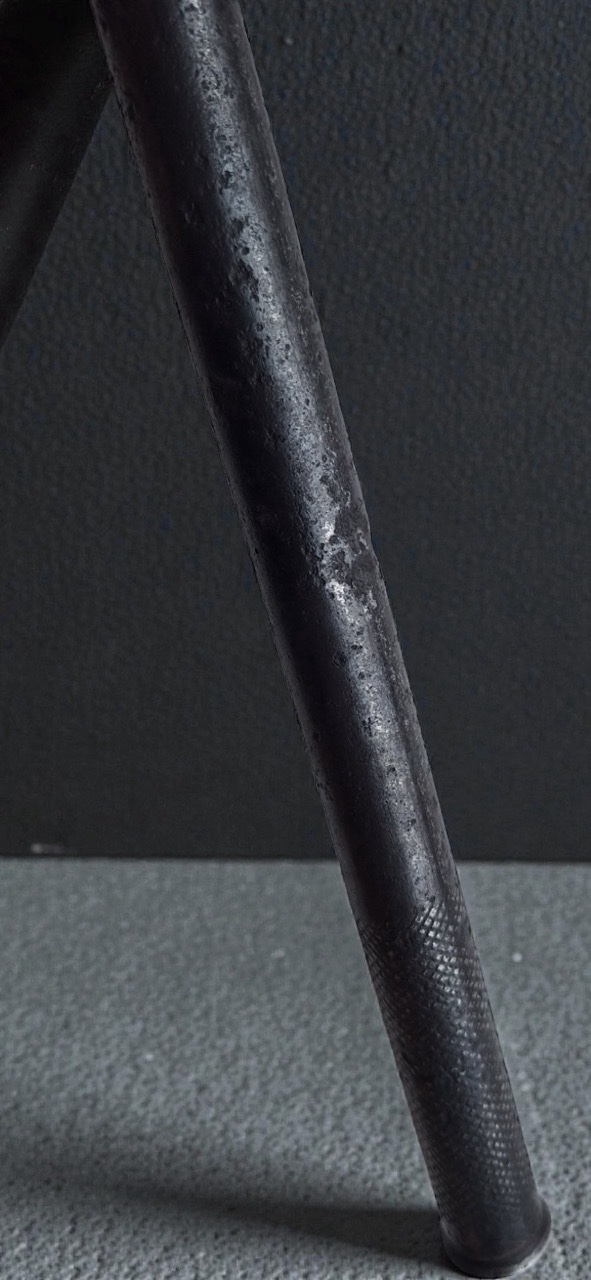
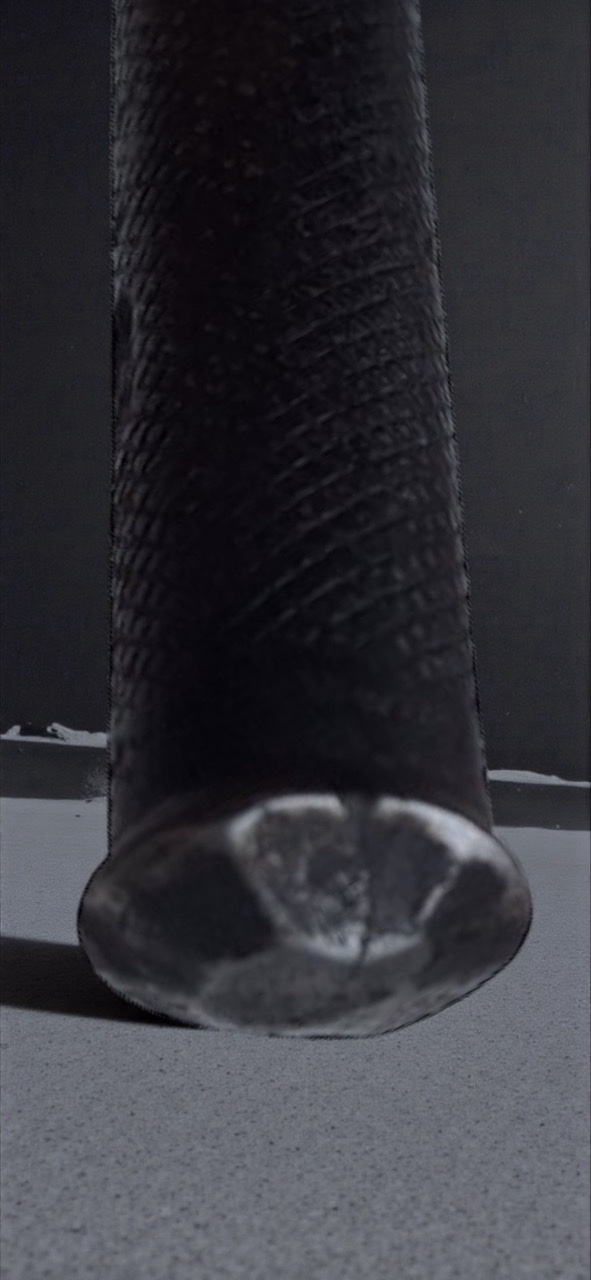
The shaft is tubular and cylindrical in shape. It is secured in the socket hole. A narrow technological seam runs along the entire length of the tube. The lower part of the shaft features a characteristic weapon knurling in the form of small diamonds. The shaft is entirely made of metal, which according to classification, categorizes it strictly as a cavalry type of mace.
Historical Context and Military Application
In the arsenal of the Ukrainian Registered and Lower Cossacks, the mace was used as a supplementary weapon capable of penetrating chain mail or light armor. In the lands of modern Ukraine, maces were widely used starting from the period of Kievan Rus, but in the classical sense, the weapon was fully formed by the 17th century.
Cavalry: The long metal shaft (61 cm) and balanced weight allowed for one-handed combat. This was critically important for the Cossack rider.
Effectiveness in Battle: The main striking element of the mace is the narrow blade of the blade. It allowed for a quick, inertial-cutting strike. Due to its design, the mace was very effective against heavily armed cavalry.
Notable Battles: The popularity of maces is confirmed by historical sources. For example, in the battle painting of the Renaissance era “Battle of Orsha” (1514), both Moscow riders and the hussars of Prince Konstantin Ostrogski were armed with battle axes and maces.
Status Weapon: In the Polish-Lithuanian Commonwealth, the mace (also called nadzyak) was considered so dangerous in civilian life that its carrying was strictly prohibited by the constitutions of the Sejm under the threat of a heavy fine. However, its use in war was always permitted and remained a privilege of the cavalry.
This specimen is a vivid testament to high weapon craftsmanship. It was part of the arsenal of the Cossack cavalry of the 17th century and holds significant historical and cultural value.
Go to the top of the ad
Add a review
Be the first to review “Cossack Cavalry Mace (Nadzyak) of the 17th Century”
Related products
-
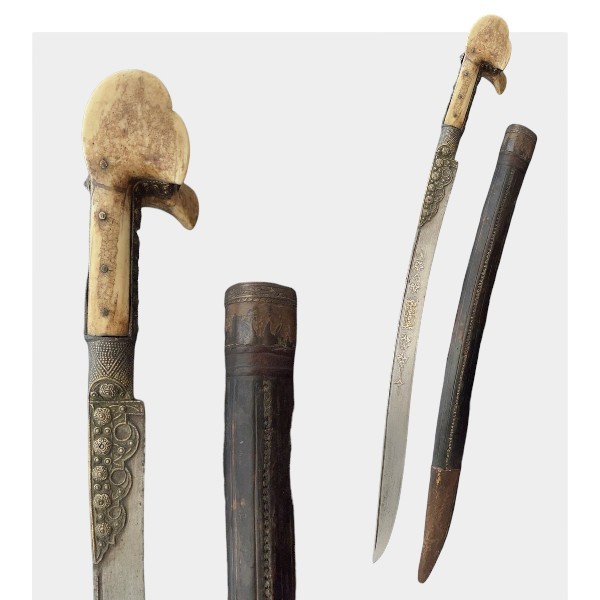
Yatagan of the Ottoman Empire with the inscription: “O Muhammad, be my assistant.” 1824
Original price was: 4,250 $.3,749 $Current price is: 3,749 $. -
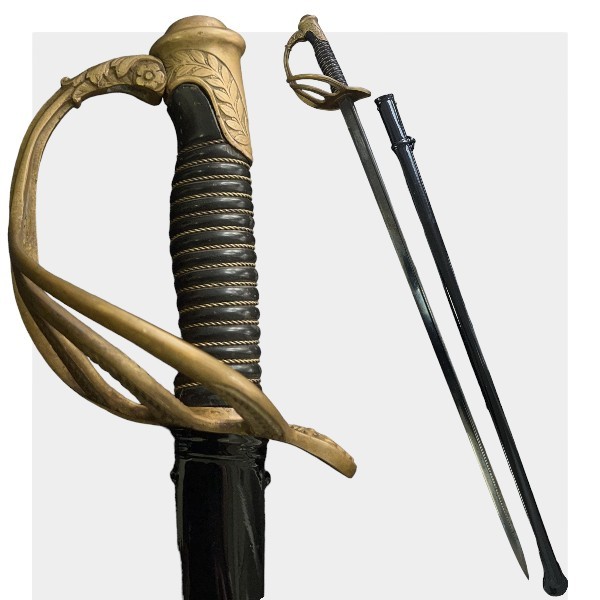
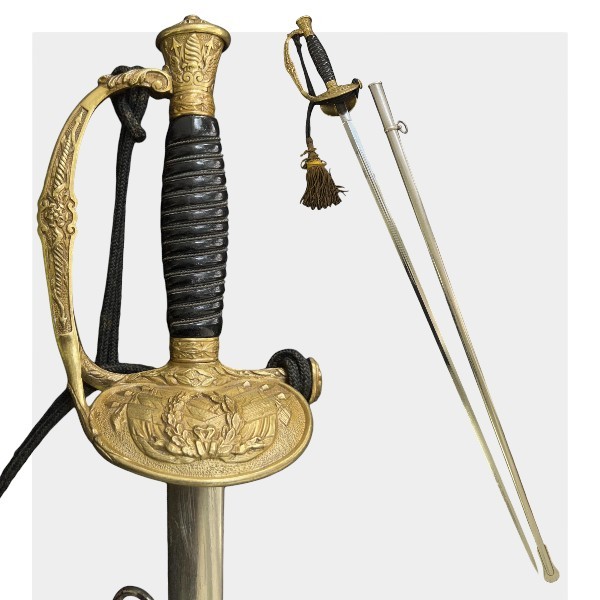
Sword for officers of all branches and administrations model 1872
Original price was: 620 $.600 $Current price is: 600 $.















Updating…
There are no reviews yet.