


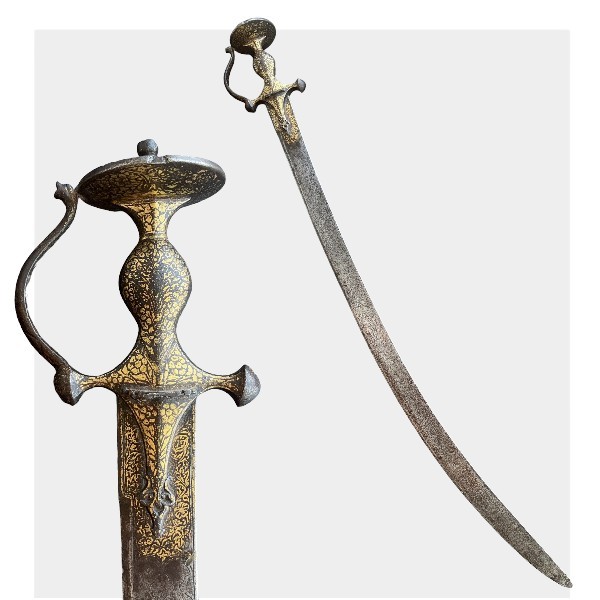
Indian Talwar with gold notching on blade and hilt, 18th century
Out of stock
Buy⚔️ for a gift and for collecting Indian Talwar with gold notching on the blade and hilt, the 18th century in Ukraine city of Kiev
Dear Collectors and guests of the site Antique Gallery, looking for a gift, in particular Antique weapons, your attention is invited:
Indian Talwar with gold notching on blade and hilt, 18th century
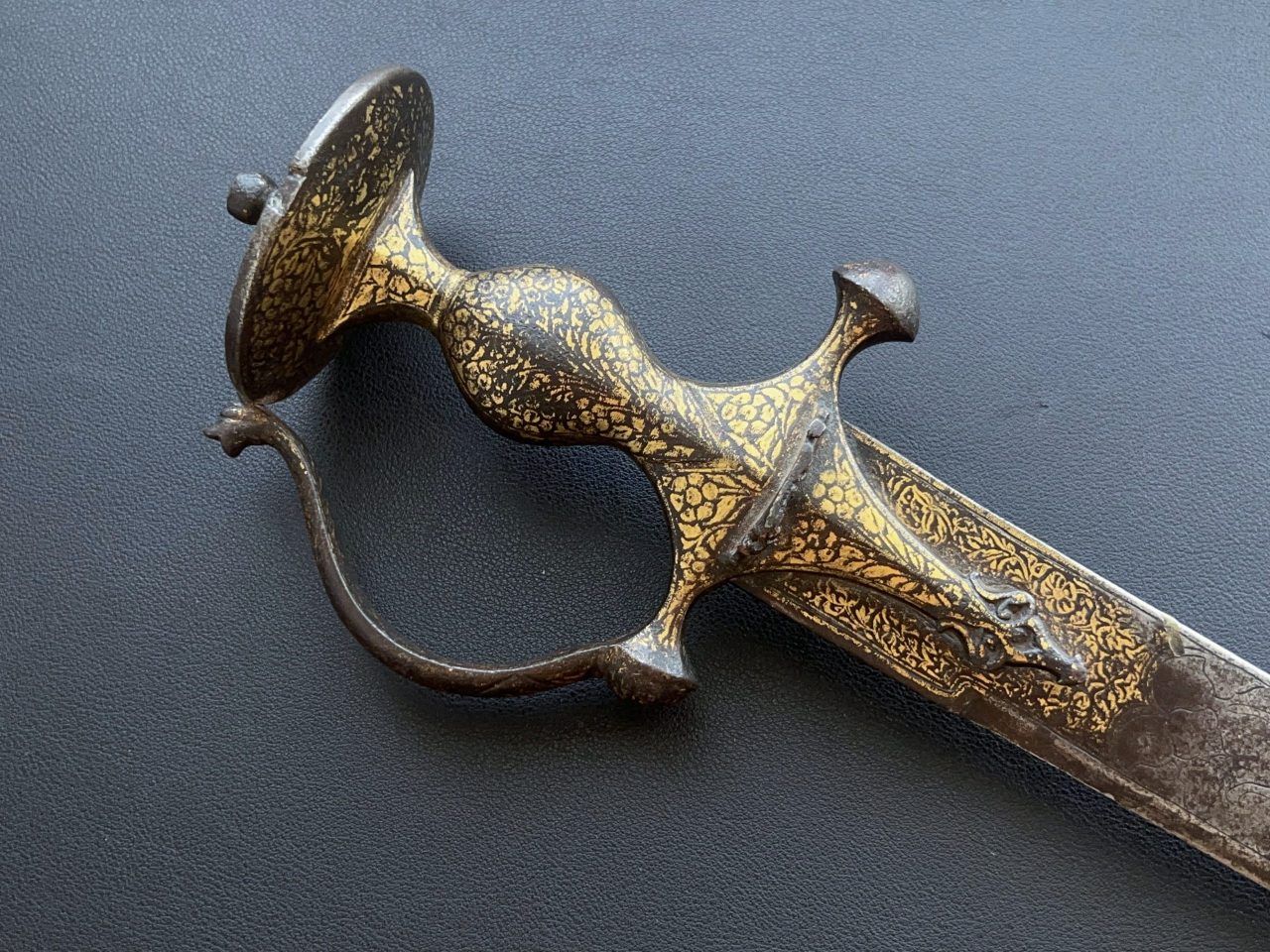
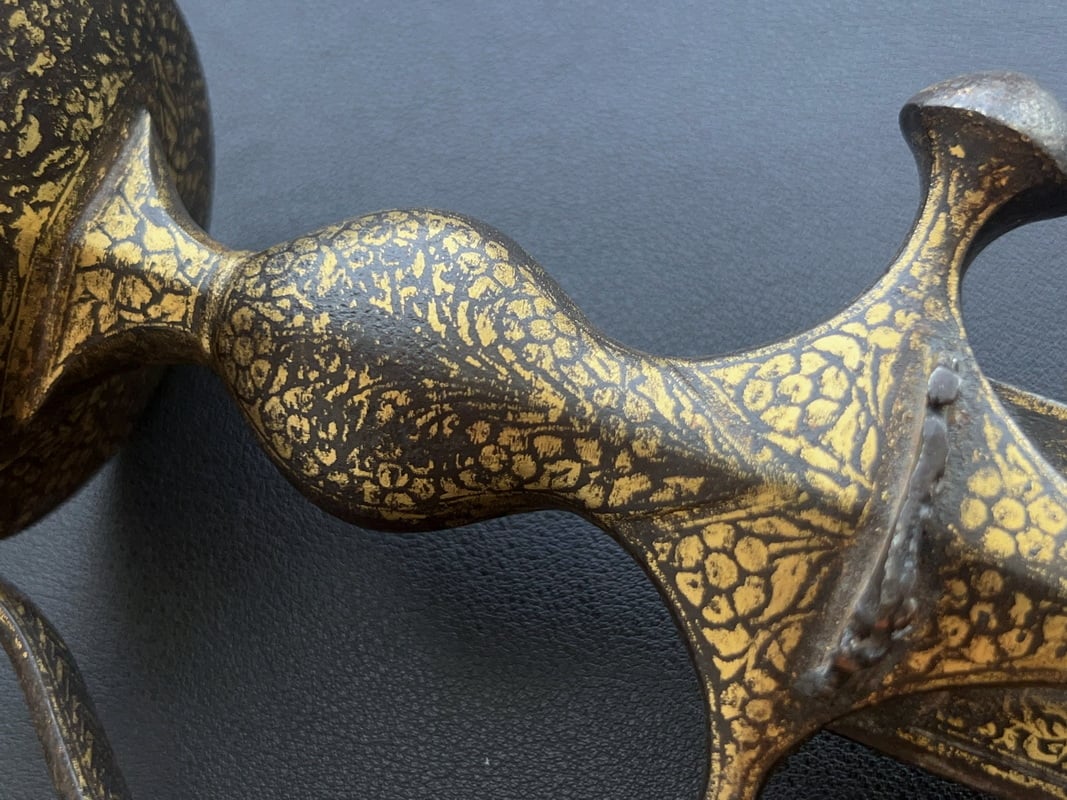
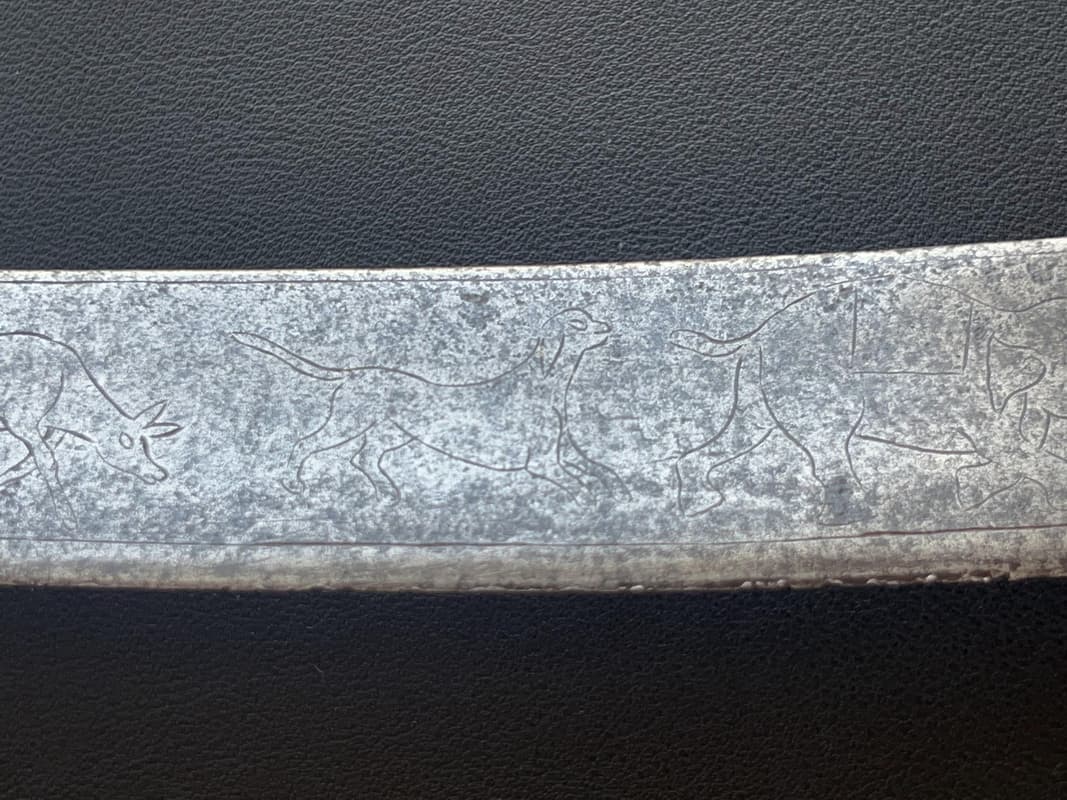
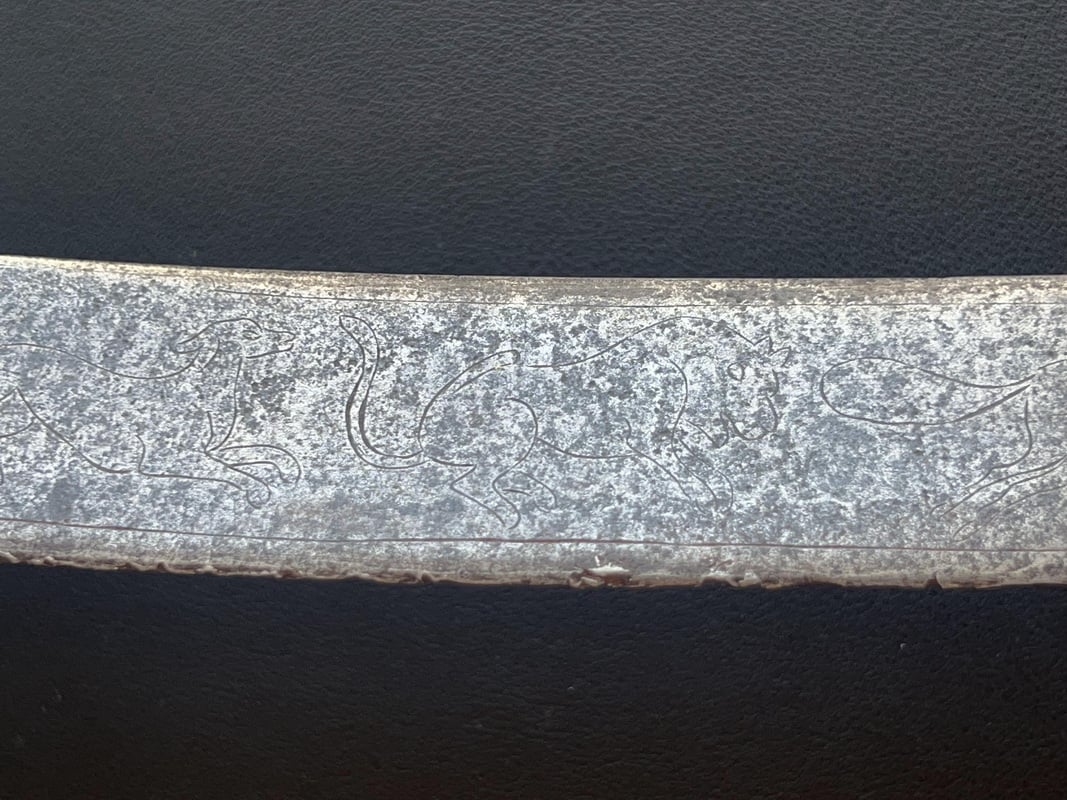
Immerse yourself in the luxury and grandeur of India with this impressive Indian Talwar! ?️ This exceptional sword with truncated gold on the blade and hilt, decorated with designs of various animals on both sides of the blade, is a true work of art. Probably owned by the Raja, this talwar radiates aristocratism and wealth. Made in the 18th century, this sword will be a unique addition to your collection of antique weapons. Don’t miss the opportunity to own this unique artifact! ?

Imagine how this talwar will decorate your interior, giving it historical depth and aesthetic appeal. Antique weapons in the interior create a unique atmosphere and emphasize your sophistication and passion for history.
Historical Background:
The talwar belongs to the same family of curved swords as the Persian shamshir, Turkish qilij, and Afghan pulwar, all of which are originally derived from curved swords previously developed in Turkic Central Asia. The talwar does not usually have such a radical curve as the shamshir, and only a very small proportion of talwars have the extended, stepped elman typical of the kilij. The talwar has the characteristic all-metal Indo-Muslim hilt developed in medieval West India.

The increasing influence in India of Turkic-Afghan and later Turkic-Mongol dynasties (who used Persian and Central Asian weapons) in the late Middle Ages and subsequent eras led to the increasing use of saber-shaped curved swords. During Mughal times, the talwar became the most popular sword form in the Indian subcontinent. The talwar was the product of a combination of a curved blade derived from Turkic-Mongol and Persian swords and a local all-metal Indo-Muslim hilt.
This particular talwar, dating from the 18th century, probably belonged to Raja, a ruler or aristocrat. Made of high quality materials and decorated with gold incisions and images of animals, it demonstrates the fine craftsmanship of Indian armorers. Talwars of this period were often used both in combat and for ceremonial purposes, emphasizing the greatness and wealth of the owner.
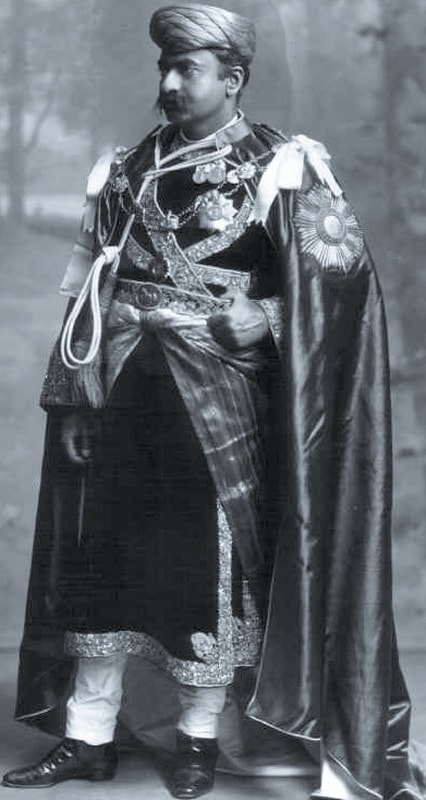
Photo Review:









| Collection | |
|---|---|
| by dating | |
| by country and region | |
| by type | |
| by type of troops |
Be the first to review “Indian Talwar with gold notching on blade and hilt, 18th century”
Related products
-
Yatagan of the Ottoman Empire with the inscription: “O Muhammad, be my assistant.” 1824
Original price was: 4,250 $.3,749 $Current price is: 3,749 $.











There are no reviews yet.