


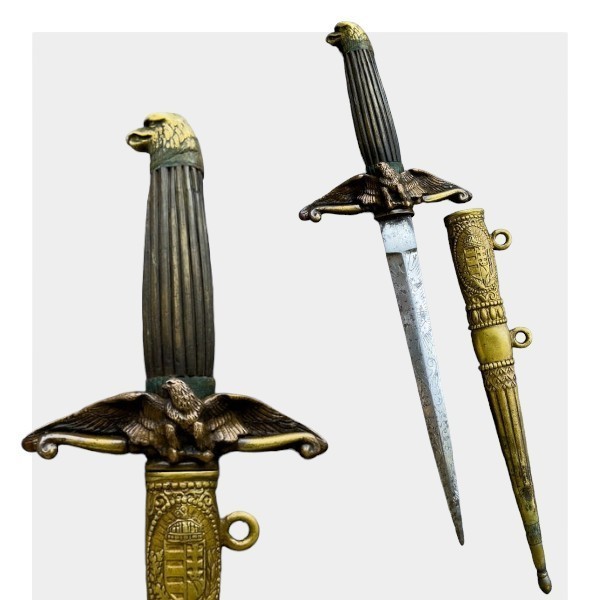
Buy⚔️ for gift and for collecting Officer’s dirk of the Royal Hungarian Air Force 1932 in Ukraine city of Kiev
Dear Collectors and guests of the site Antique Gallery, looking for a gift, in particular Antique weapons, your attention is invited: Officer’s dirk Royal Hungarian Air Force, 1932
? Officer’s dirk of the Royal Air Force flying staff of the 1932 model of Hungary ?
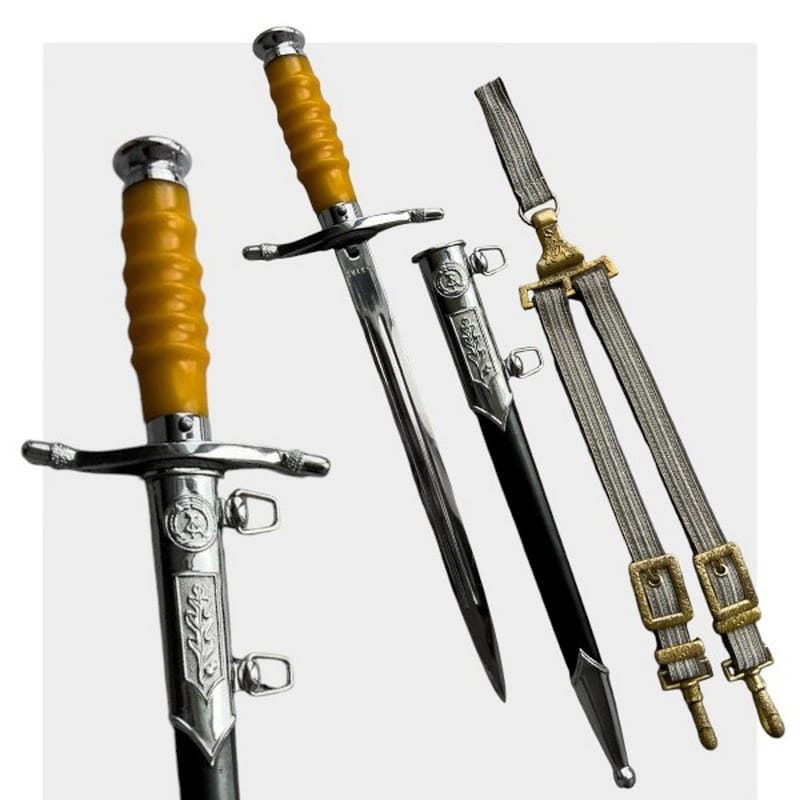
Feel the atmosphere of the royal era with this elegant officer’s dirk! ?️ Royal Air Force Flying Officer’s Dirk Model 1932 is an exquisite piece of antique weaponry that combines elegance and military power. Made of high quality materials, this dirk will be a unique addition to your collection of antique weapons. Do not miss the opportunity to acquire a real artifact of history! ?
Imagine how this dirk will decorate your interior, give it charm and historical value. Antique weapons in the interior creates a unique atmosphere and emphasizes your sophistication and passion for history.
Historical Background:
Royal Hungarian Air Force (pilot) Model: 1932.
Manufacturer: Kozak, L. Meszaros, A.K. Antal, BP crown trademark, and others, some
Dirk can only be branded by retailers.
Blade: 8 1/2″ nickel-plated, double-bladed, diamond-shaped section.
For Officers: The obverse side is engraved with an eagle under the coDirk can only be branded by retailers.
Blade: 8 1/2″ nickel-plated, double-bladed, diamond-shaped section.The obverse side has a Hungarian coat of arms and floral pattern; the reverse side has the Hungarian coat of arms. The reverse side is not always engraved and patterns may vary.
Non-officers, cadets, officer applicants, and all others: regular. Issued daggers bear an account number and/or the small coat of arms of Koshut.
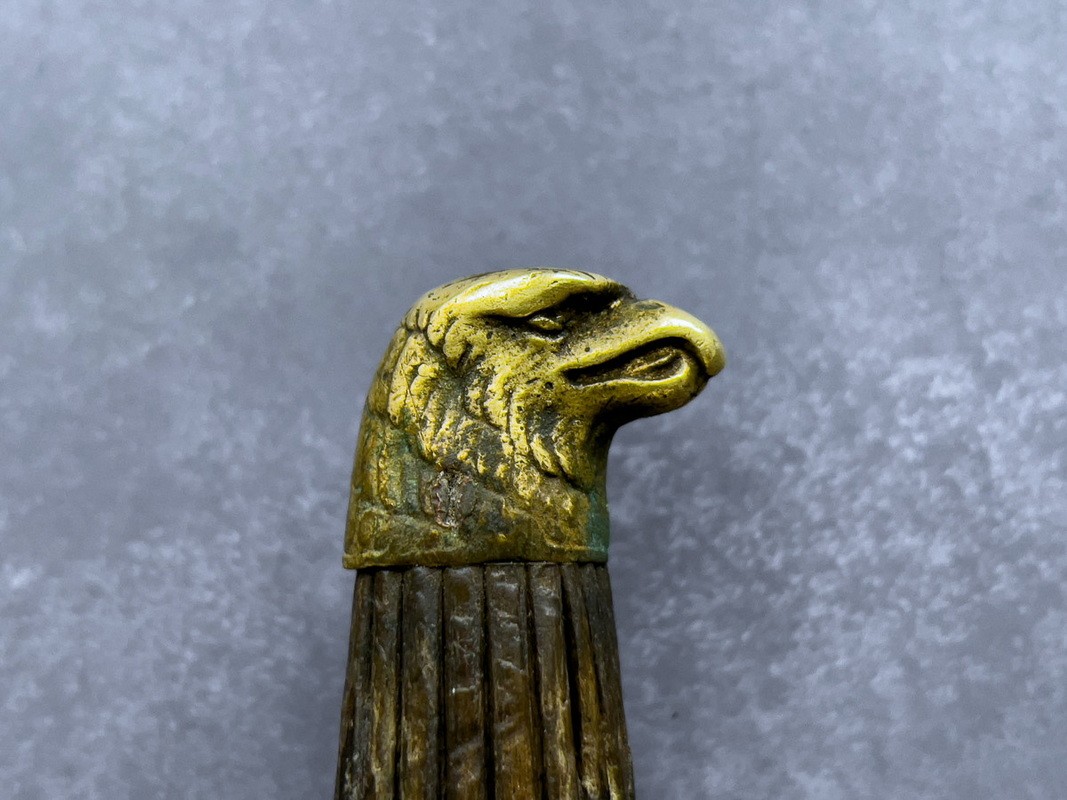
Fittings: An eagle head shaped tip is used to attach parts of the hilt to the blade. The tops may have a hidden nut on the top of the eagle head or a small locking screw at the bottom of the tip to prevent it from loosening.
Other devices do not have one. The unique crossbow consists of an eagle with outstretched wings tilted slightly downward. It is attached to the base of the cross, which has two outer stylized arms, by soldering.
It happens that the eagle breaks away from the crossmember and is repaired with a screw or bolt and nut.
There is a button lock on the back of the crossguard that holds the dagger in the scabbard. Some pieces have assembly numbers on the accessories and scabbard.
Finishing:
For Officers: Top and cross, gilt; Eagle, silvered bronze.
Not for officers: Top and cross, silver-plated; Eagle, bronze. All others: all brass.
Handle: Ebony, black painted wood, hard rubber, vertically fluted.
Scabbard: The upper part is decorated with a large Hungarian coat of arms; the rest with a mixture of beads, stylized feathers and fine fluting. Has two fixed rings for hanging. Some pieces have assembly numbers on them. Officers: gilt. Non-officers: silver-plated. Cadets, officer applicants and all others: brass.
Notes: Although the tip and cross are here described as an eagle, Hungarian regulations call it a Turul, an eagle-like bird that was the symbolic national bird of Hungary.
Air Force ceremonial uniform daggers could have been either issued items or a private purchase. Issued daggers have an account number on them. The small coat of arms of Koshut may also be imprinted on the blade and scabbard tip. There were several makers and there were slight physical variations.
Daggers could also be purchased privately; such pieces had no record numbers. Spare parts could also be purchased.
Officers and noncommissioned officers were authorized to carry parade daggers beginning in 1932. Air Force cadets were not authorized to wear parade daggers until 1940 under Regulation 33.791/eln.le.I.-1940.
Pendants:
Officers: Black cloth, oblong buckles with simple linear notches creating the appearance of a pearl ring. Gilded buckles and fastenings. A more refined set may have existed for formal uniforms, but this is not documented.
Non-Commissioned Officers: Brown leather, buckles and fastenings are the same as officers.
Cadets and officer applicants: Brown leather, buckles and fastenings the same as officers, except for brass trim.
Parade daggers were worn off-duty with the ceremonial uniform, at officers’ meetings and special duties. The normal service uniform was supplemented by the pistol.
Regulations set the length of the pendants from the lower edge of the belt mount to the lower edge of the dagger mount at 24 1/2 and 27 cm. Known specimens vary in length.


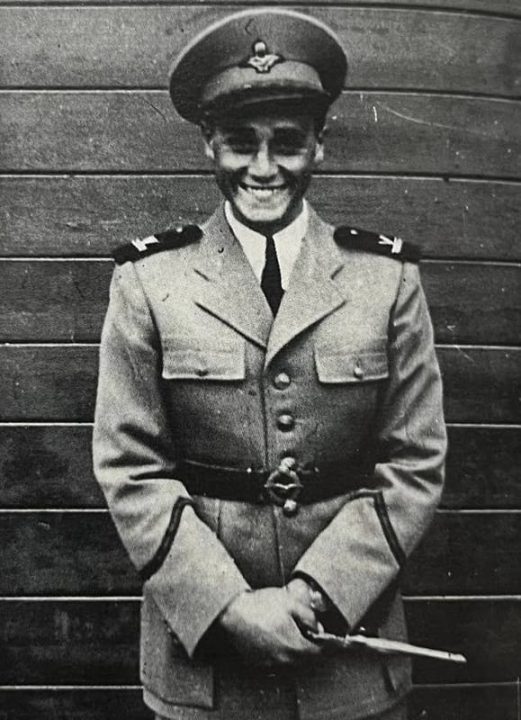


Reproductions of Hungarian Air Force parade daggers (pictured right) have been made in Hungary for many years. Quality ranges from poor to good.
They are now common in the American market and sold as originals.
In the translations of the regulations that follow, the translation has been as close as possible to the original meaning of the Hungarian text.
The parade daggers of non-flying officers and non-commissioned officers are described in the same manner as those of flying officers and non-commissioned officers, except that there is no eagle on the crossguard and no eagle head on the tip. At present, the author of this book is not aware of any daggers with a domed tip.

Photo Review:




| Collection | |
|---|---|
| by dating | |
| by country and region | |
| by type | |
| by type of troops |
Add a review
Be the first to review “Officer’s dirk of the Royal Hungarian Air Force, 1932.”
Related products
-
Sword for officers of all branches and administrations model 1872
Original price was: 620 $.600 $Current price is: 600 $.















Updating…
There are no reviews yet.