





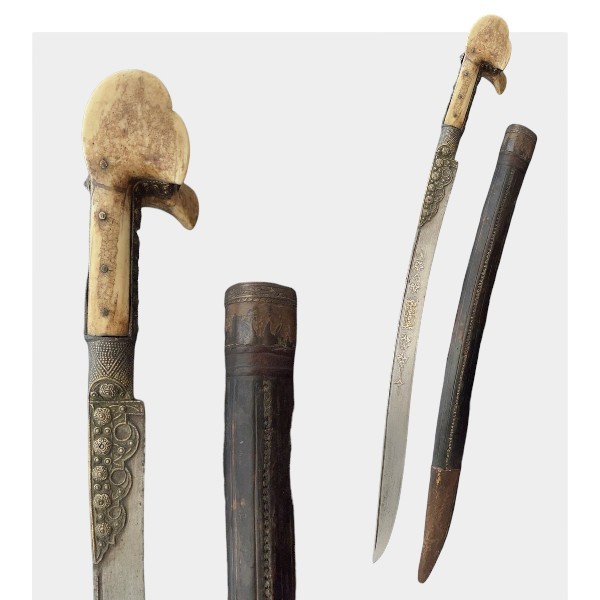
Ottoman Yataghan with Master Ahmet’s Signature and Date 1863
3,999 $
Ottoman Yataghan with Master Ahmet’s Signature and Date 1863
Key Information about the Item
| Product Name | Ottoman Yataghan with Bone Handle and Decorative Stones |
|---|---|
| Date | 1863 (1280 Hijri) |
| Maker / Signature | Master Ahmet (Ameli Ahmet), Owner/Client Ali (Sahibi Ali). Produced in the Ottoman Empire. |
Type of Weapon and Description
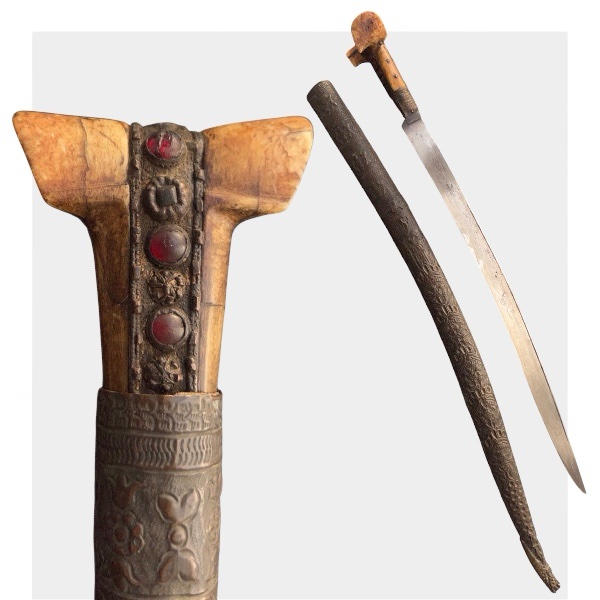
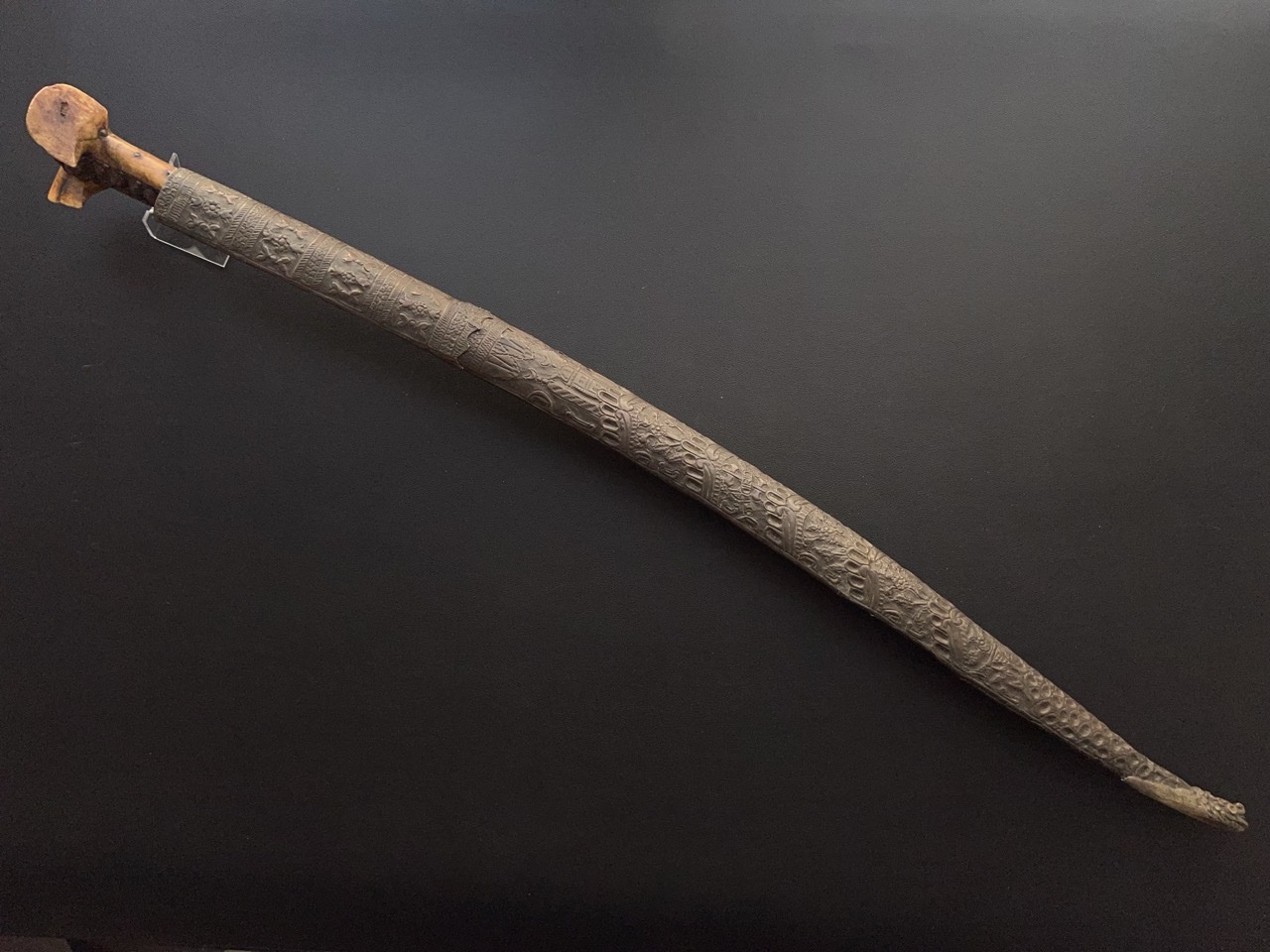
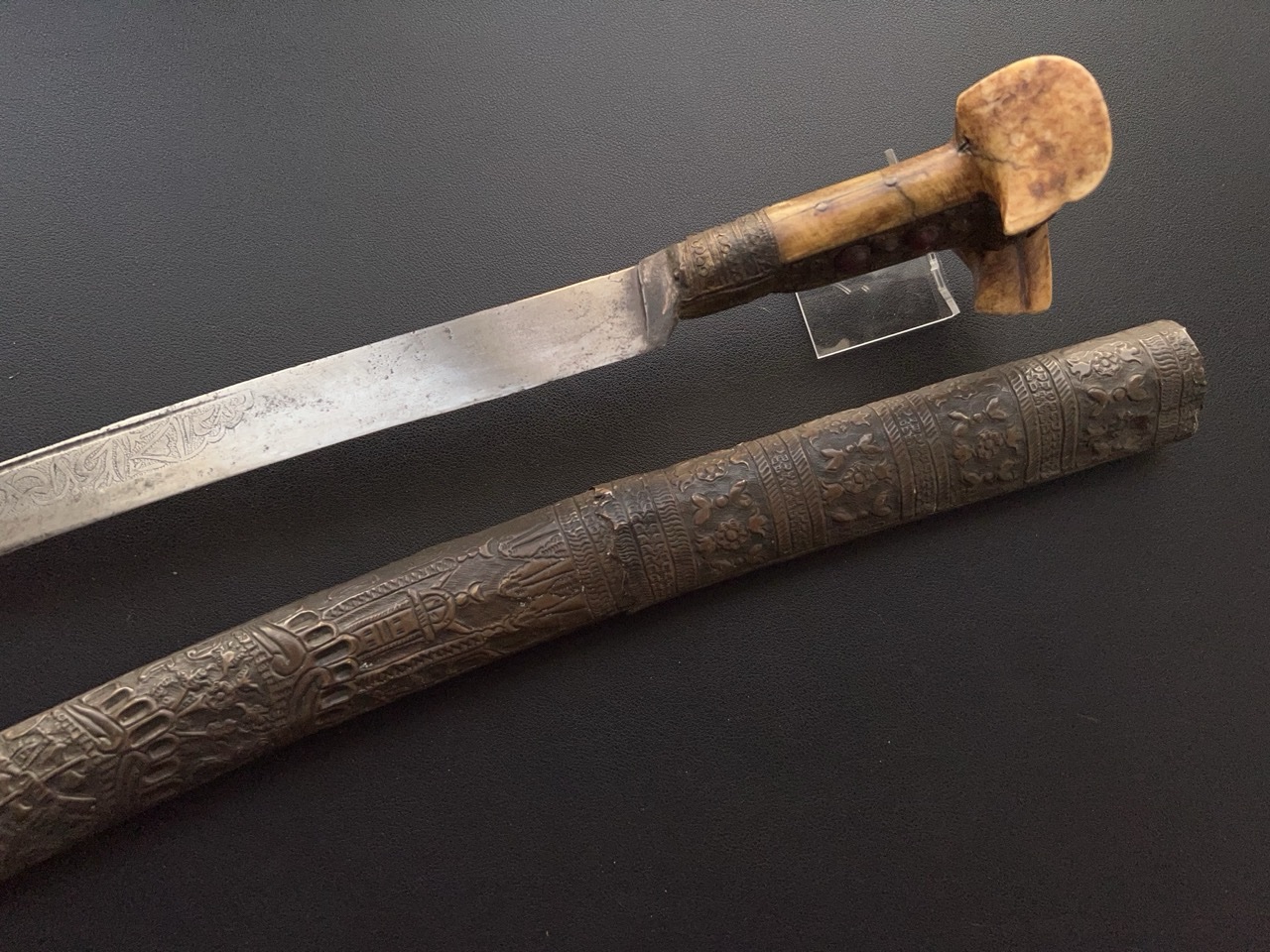
The item presented is a classic Yataghan. This curved bladed weapon became the hallmark of the Ottoman Empire. Yataghan were actively used from the 16th to the 19th century and were characterized by the complete absence of a guard.
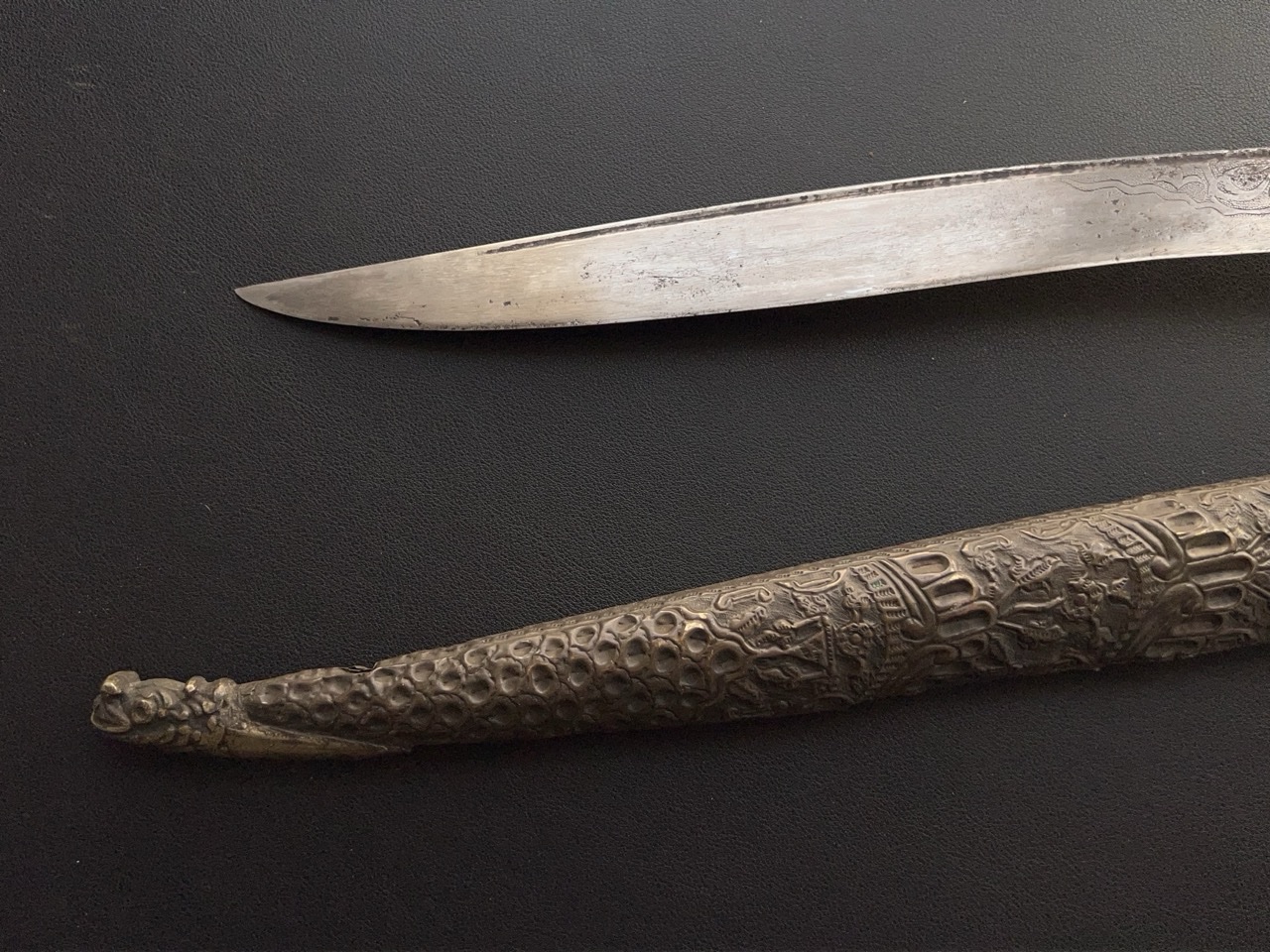
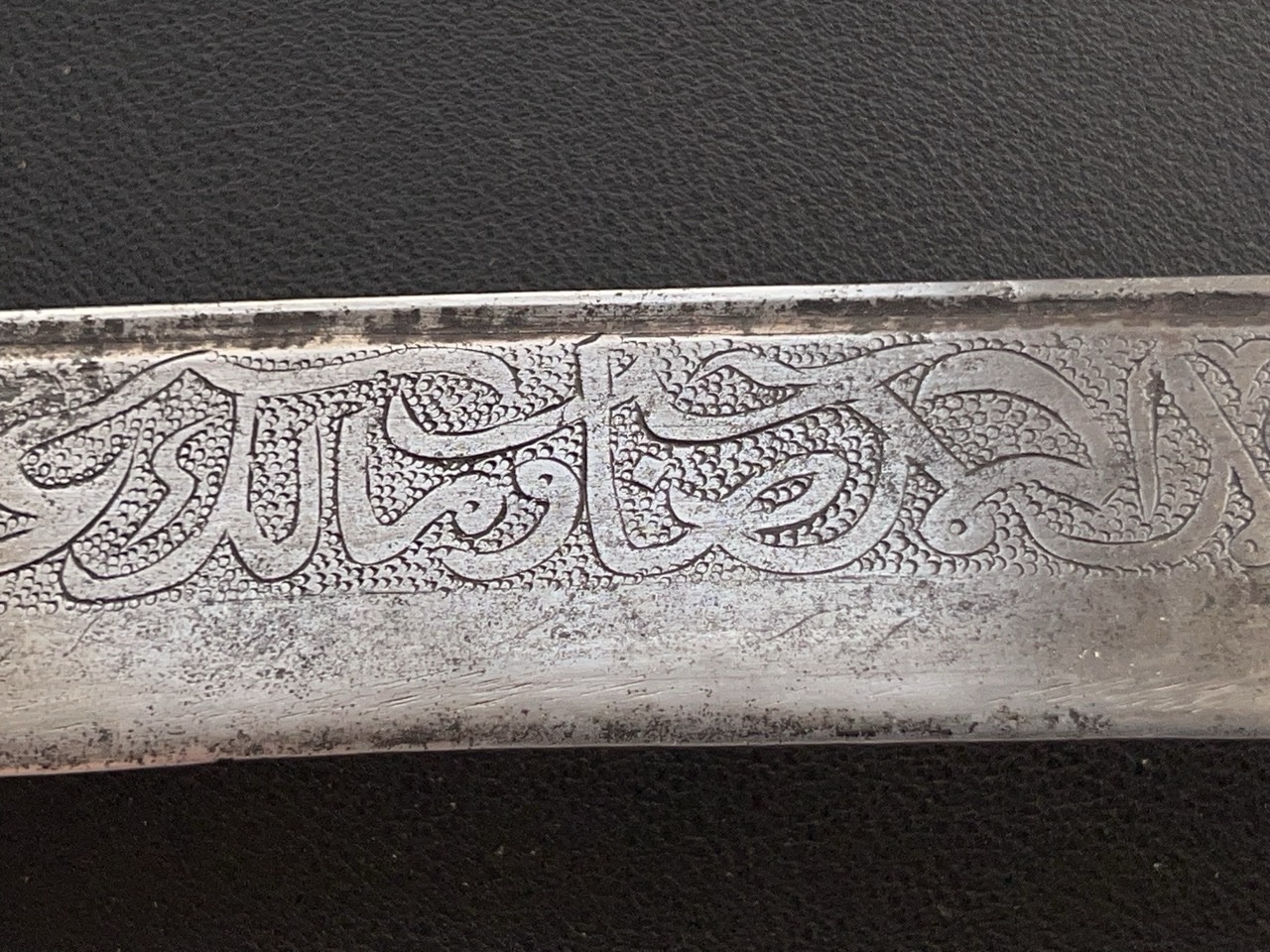
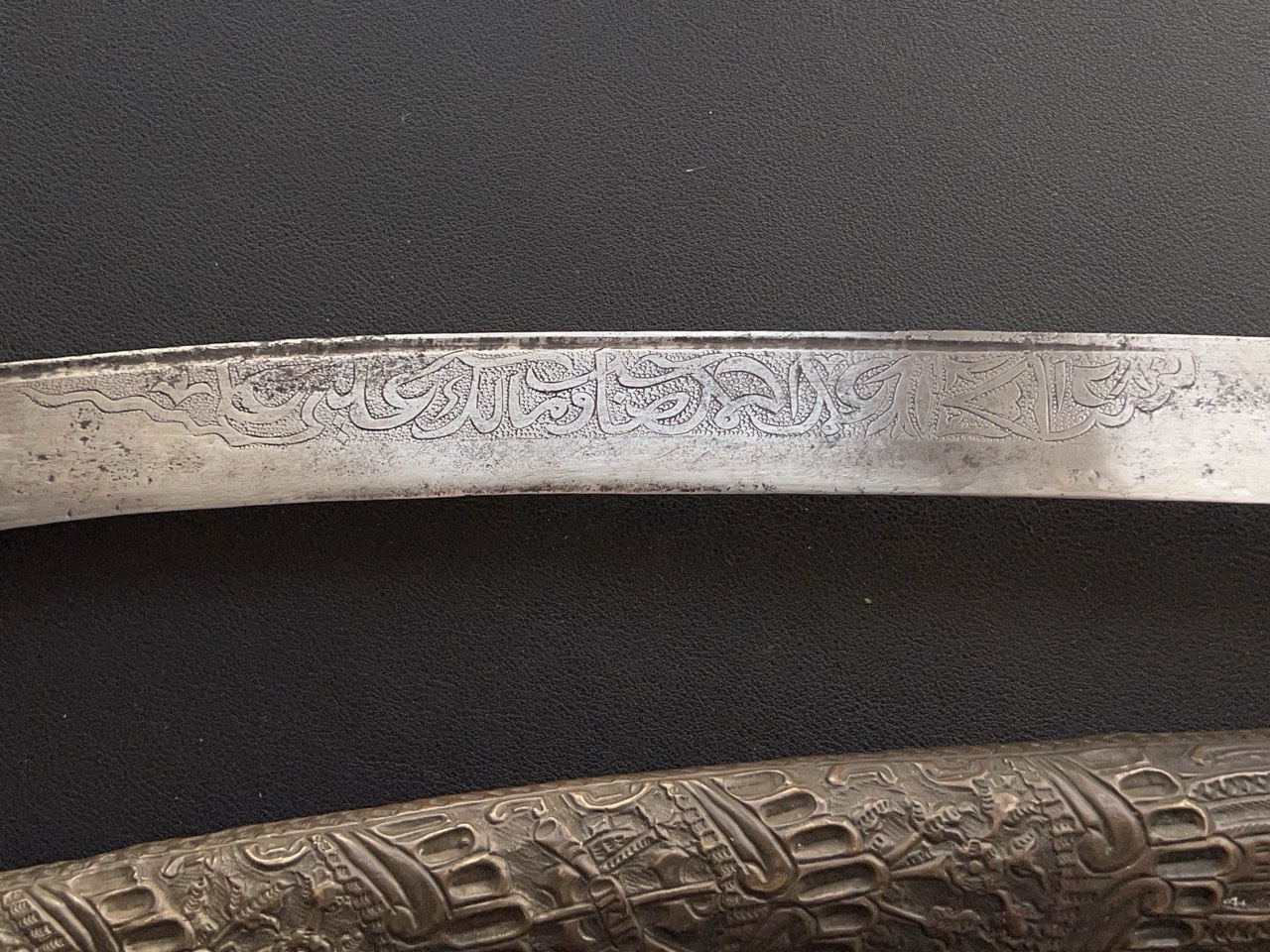
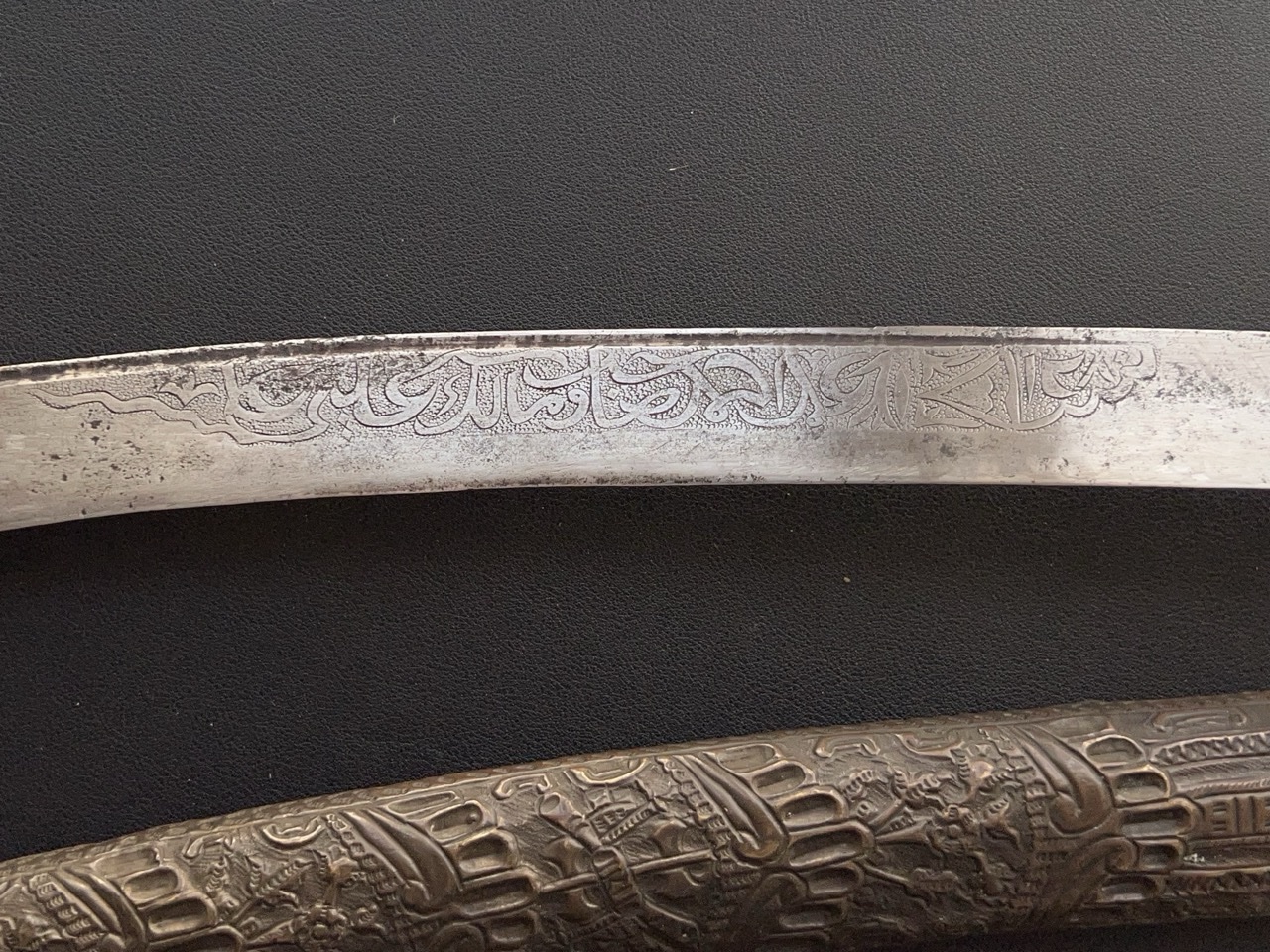
The blade of the yataghan is single-edged, featuring a characteristic curve, sharpened on the concave side. The blade is made of high-quality steel. A key feature is the calligraphic engraving in the Ottoman style, which contains a dedication and precise dating. The inscription indicates the work of the gunsmith Ahmet and the owner Ali, as well as the date — the year 1280 Hijri.
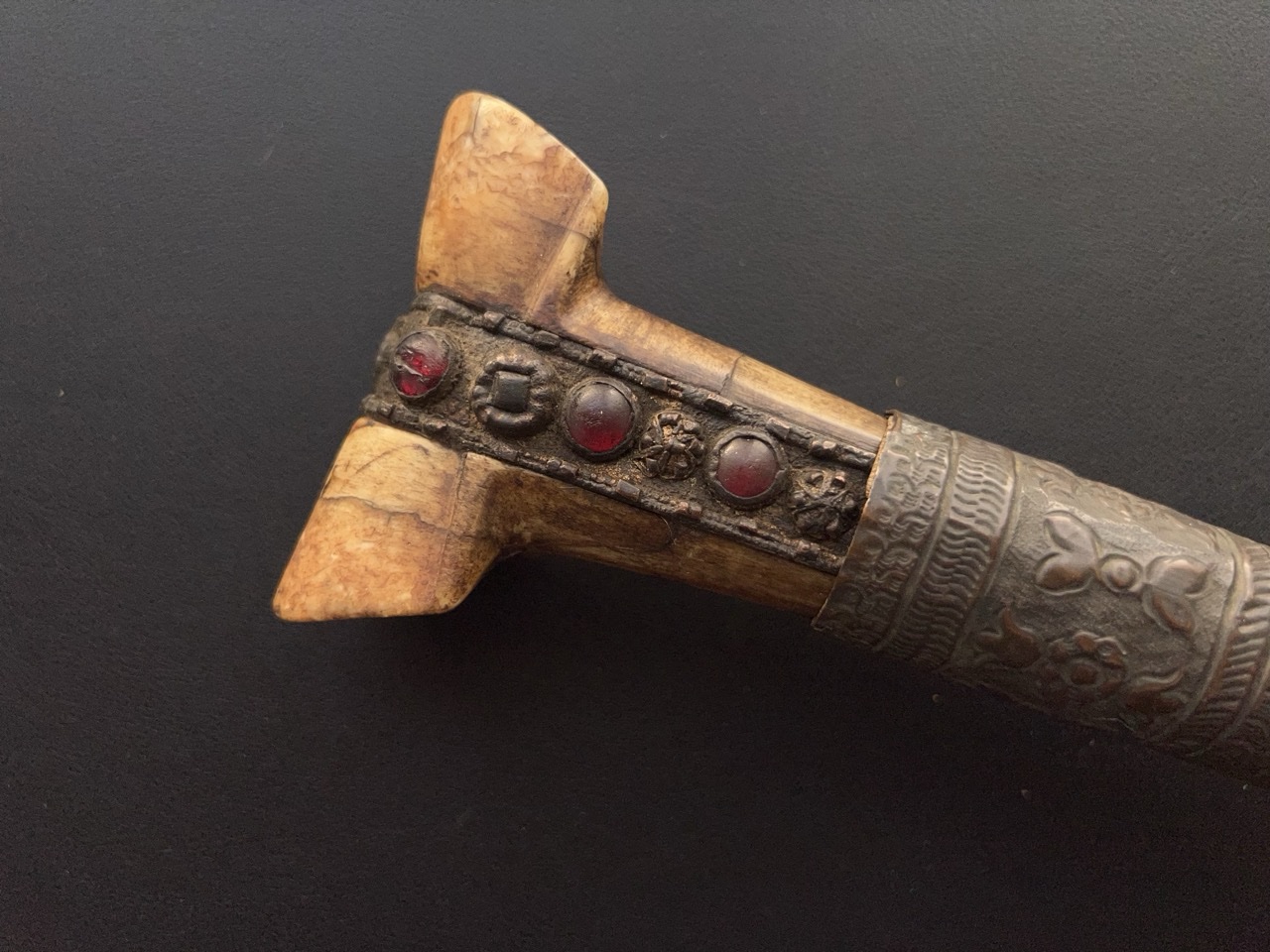
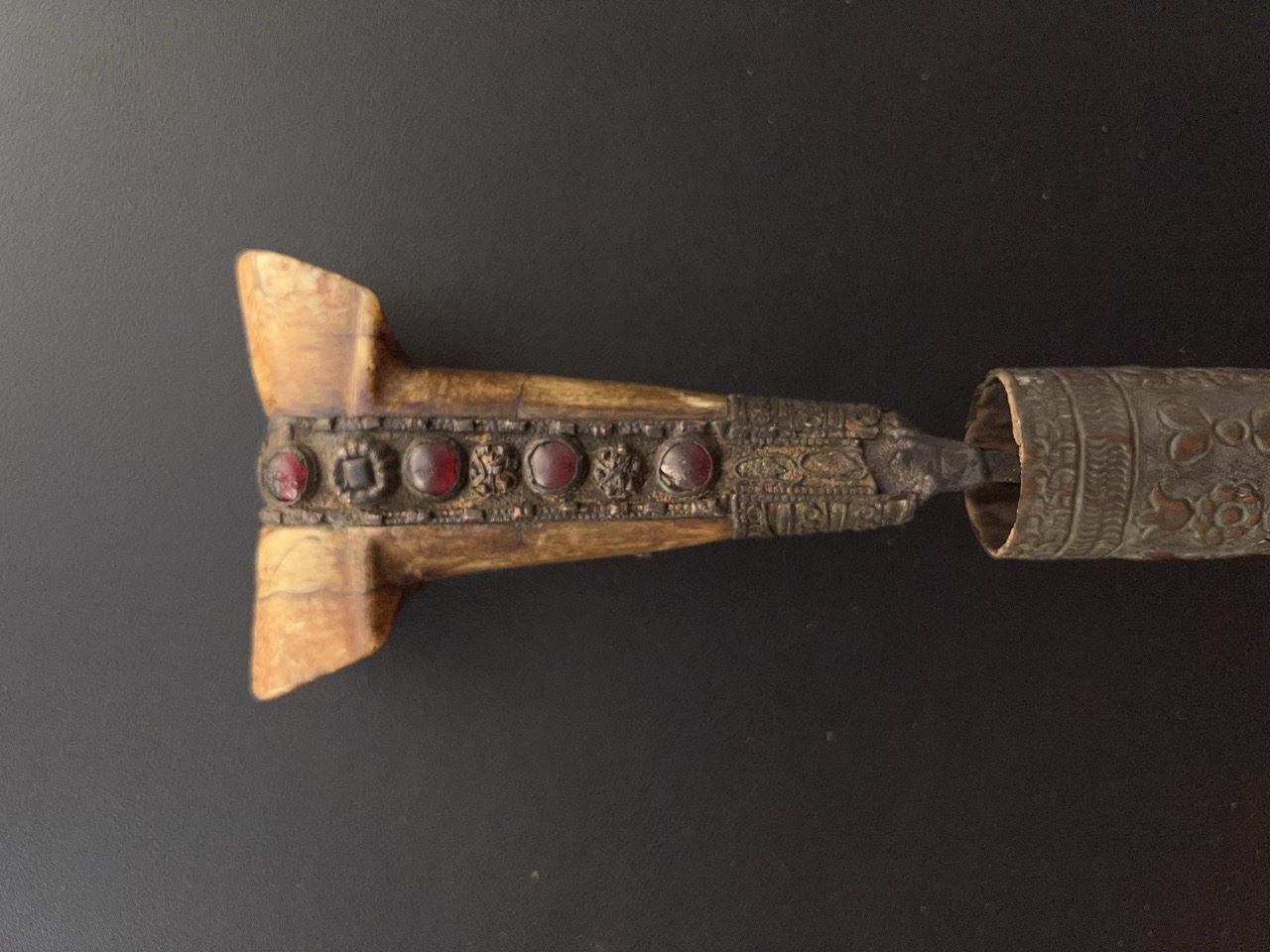
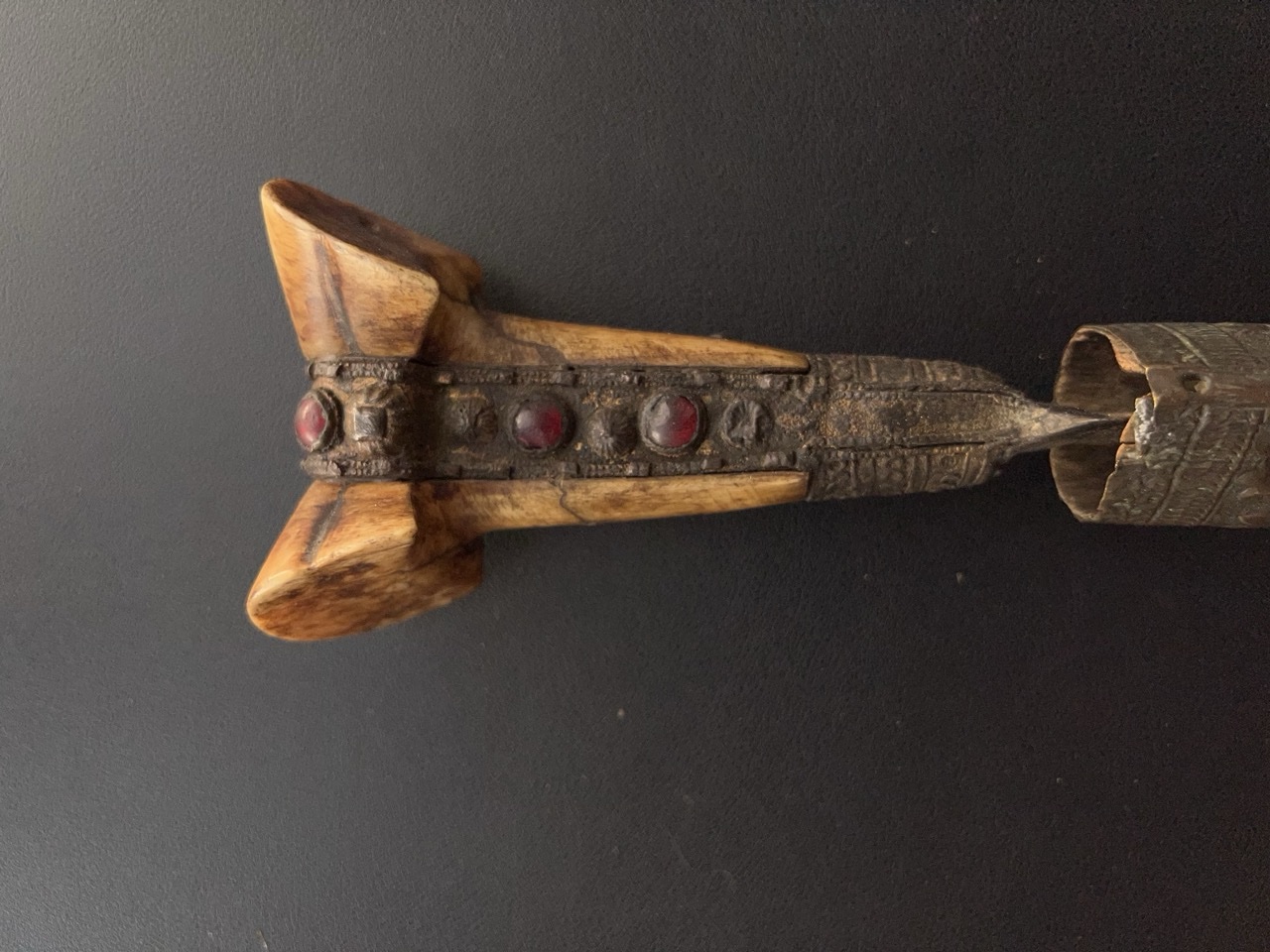
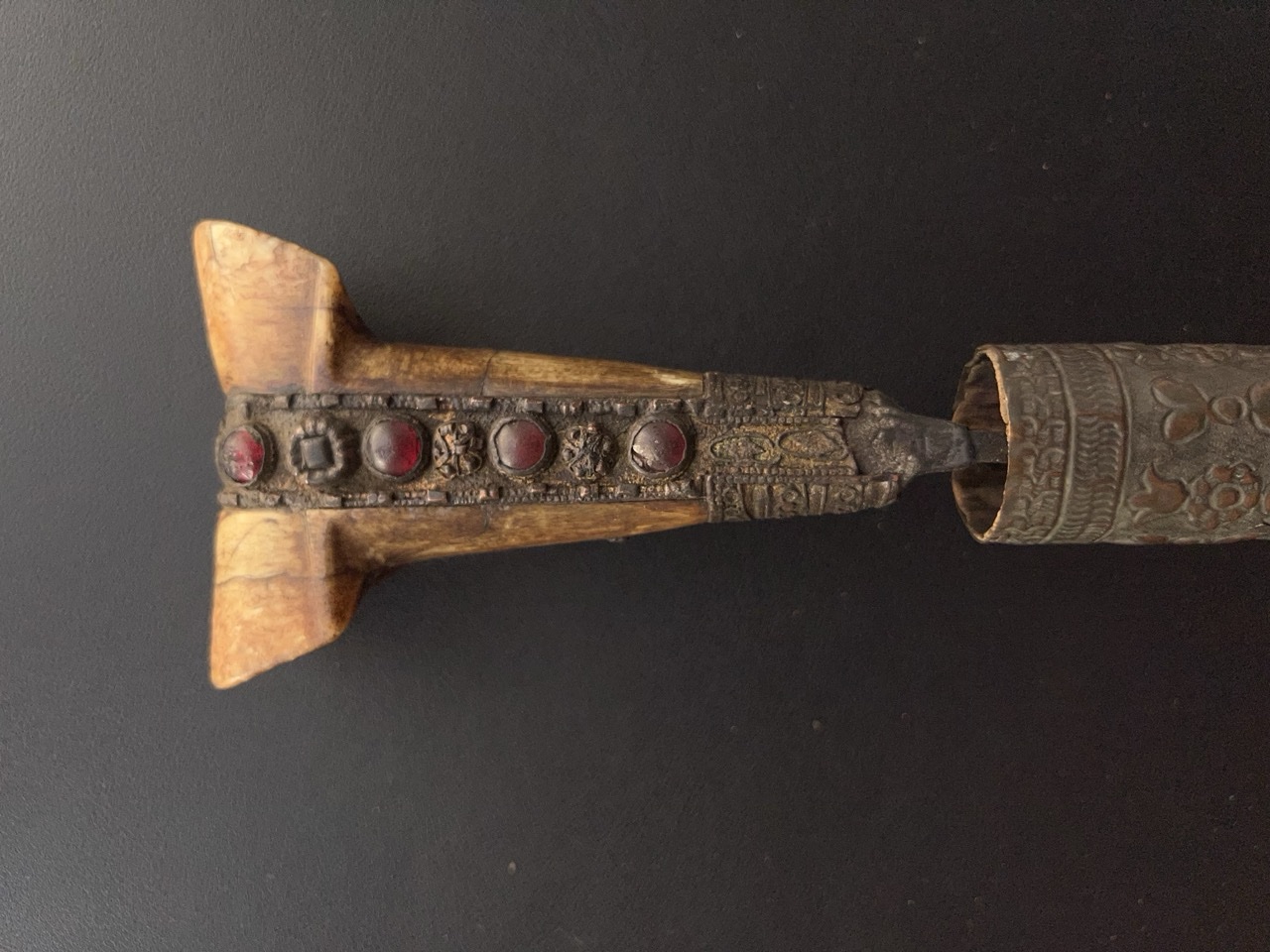
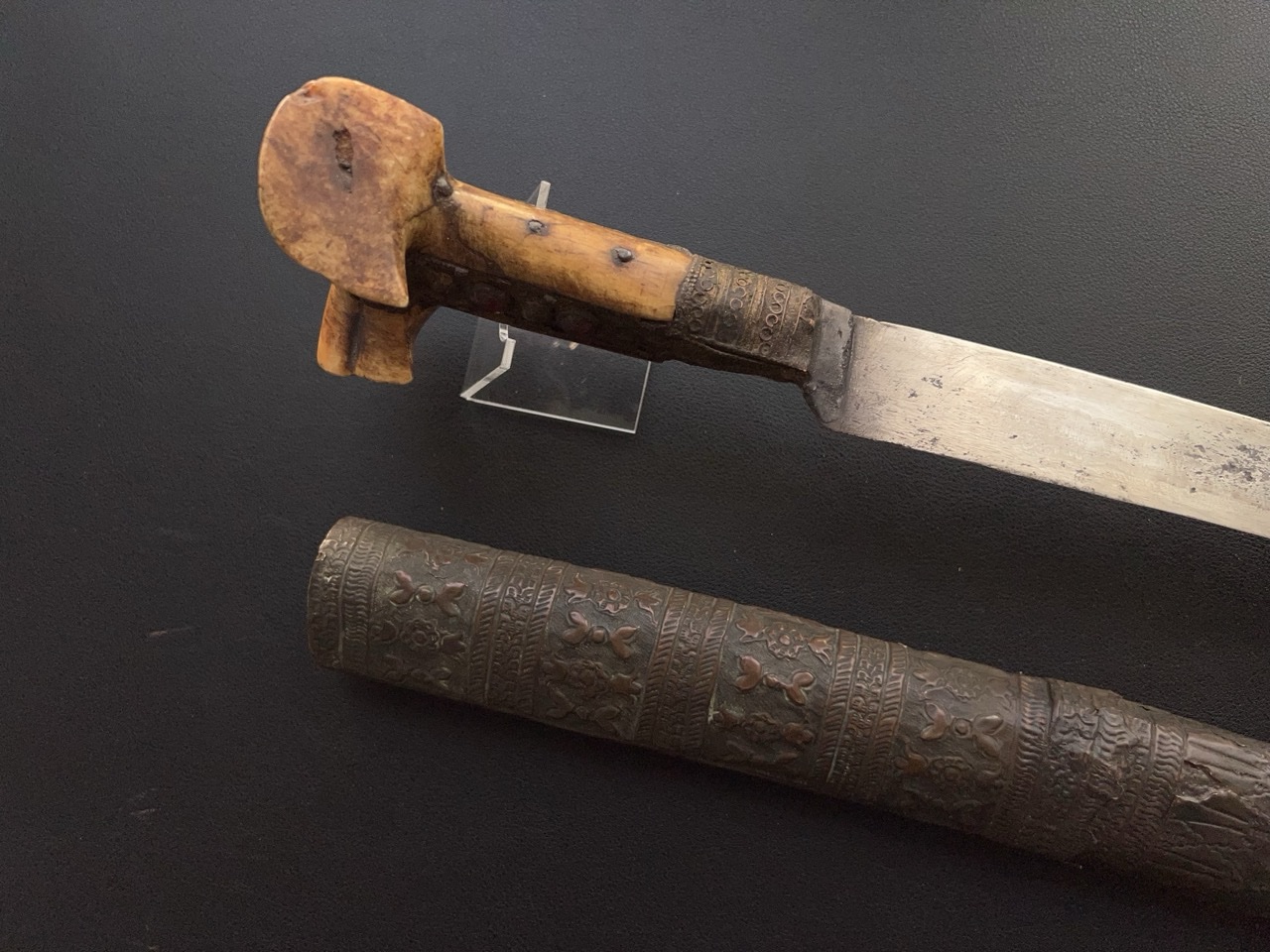
The handle is crafted in the traditional form known as “ears” or “ear-shaped,” ensuring a secure grip despite the absence of a guard. The handle material is either ivory or polished bone. The hilt is decorated with a metal frame, into which decorative stones are inlaid.
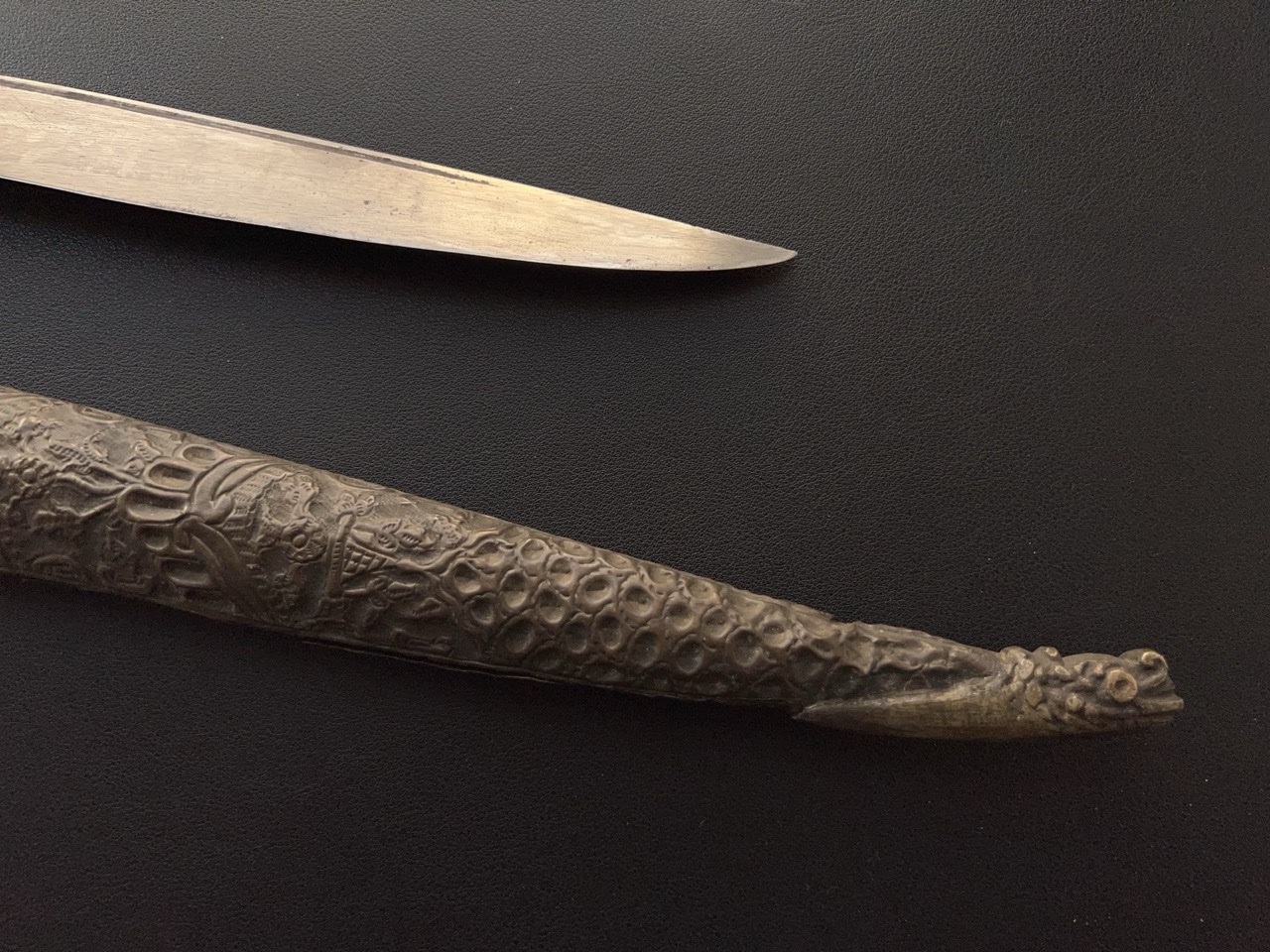
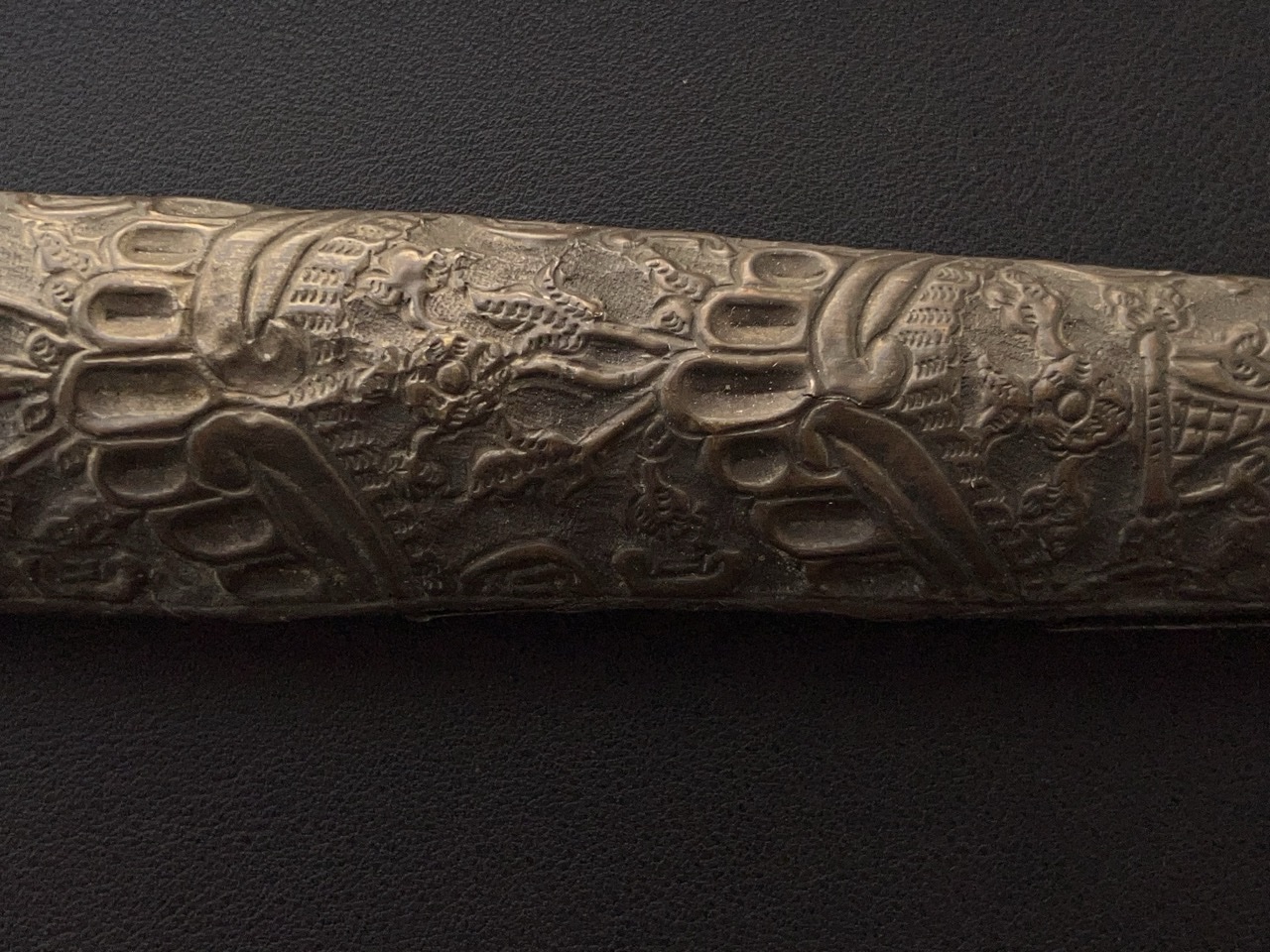
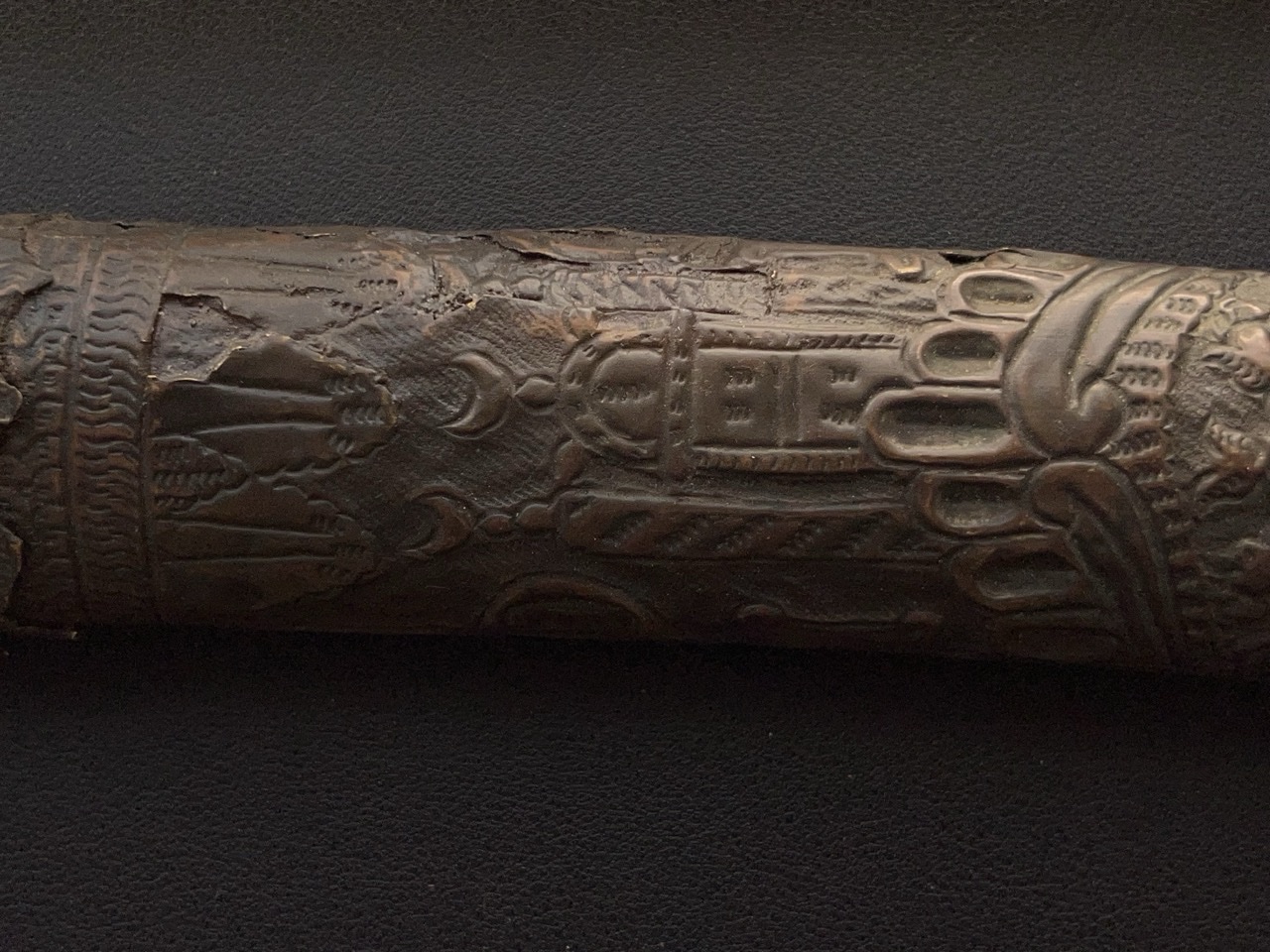
The scabbard is metallic, covered with high relief embossed ornamentation. The pattern is complex and dense, incorporating zoomorphic motifs. Such rich decoration of the scabbard emphasizes the prestigious nature of the weapon as a whole.
Historical Context and Use
In the Ottoman Empire, the yataghan was the primary weapon of the infantry, particularly the famous Janissary corps. The blade is dated 1863, meaning it was made after the disbandment of the Janissaries, when the yataghan became more of a ceremonial and status item carried by officers or members of noble families.
Weapons signed by a specific master and dated carried significant collectible value even at that time. Such richly decorated specimens held not only combat significance but also jewelry value, showcasing the high level of Turkish weapon craftsmanship in the 19th century.
Add a review
Be the first to review “Ottoman Yataghan with Master Ahmet’s Signature and Date 1863”
Related products
-
Sword for officers of all branches and administrations model 1872
Original price was: 620 $.600 $Current price is: 600 $. -
Yatagan of the Ottoman Empire with the inscription: “O Muhammad, be my assistant.” 1824
Original price was: 4,250 $.3,749 $Current price is: 3,749 $.









Updating…
There are no reviews yet.