


Buy⚔️ for a gift and for collecting Prussian saber “bluchersky” type with exquisite etching in Ukraine city of Kyiv
Dear Collectors and guests of the site Antique Gallery, looking for a gift, in particular Antique weapons, to your attention is offered: Prussian saber “blucherovskogo” type with exquisite etching
✨ The Prussian Blücher saber with exquisite etching is a true work of art that combines elegance and fighting power! The sabre, named after the legendary General Blucher, symbolizes the heroic times of the Napoleonic Wars. The elegant blade with exquisite etching makes it not only a weapon, but also a work of art. This unique artifact can become the jewel of your antique weapons collection or add sophistication to your interior. ⚔️ Don’t miss the chance to acquire this historical rarity!
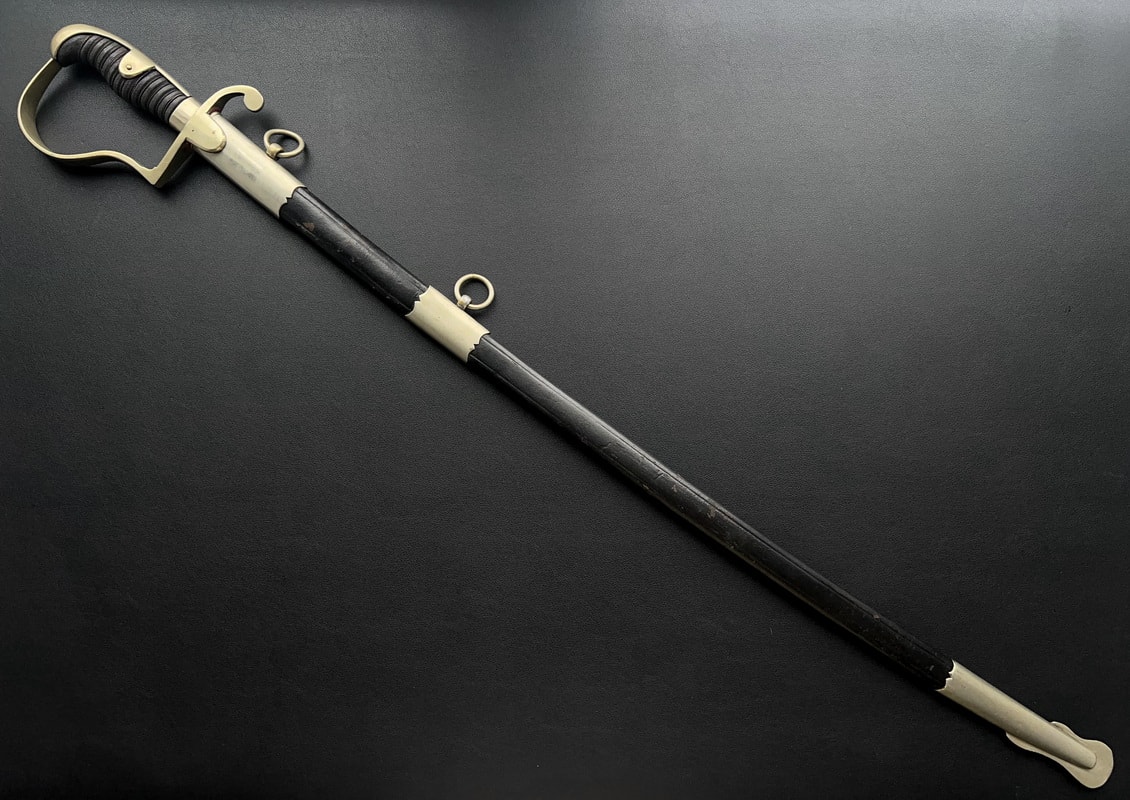
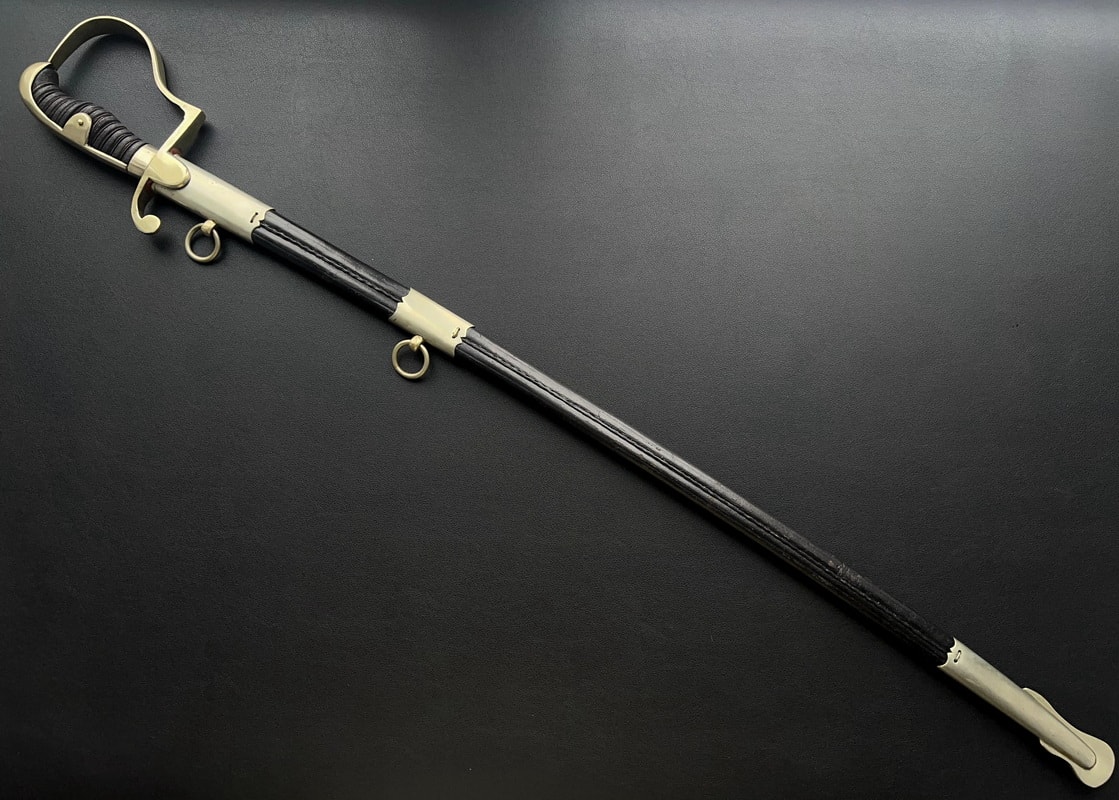
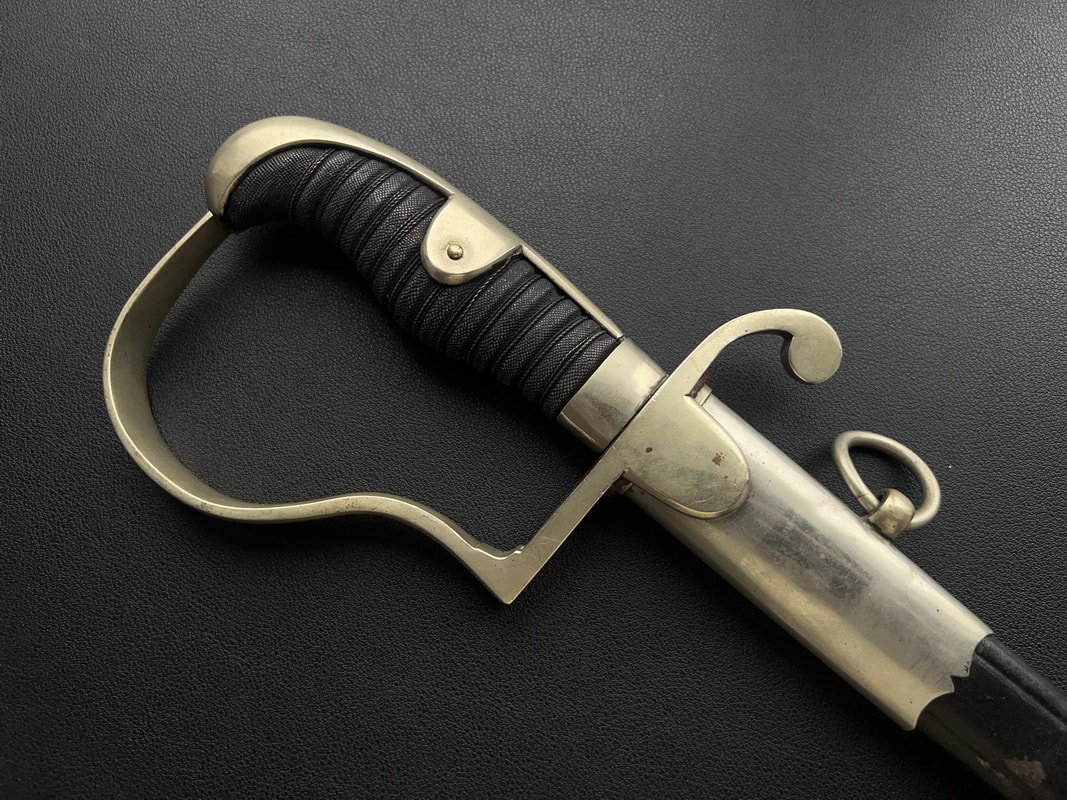
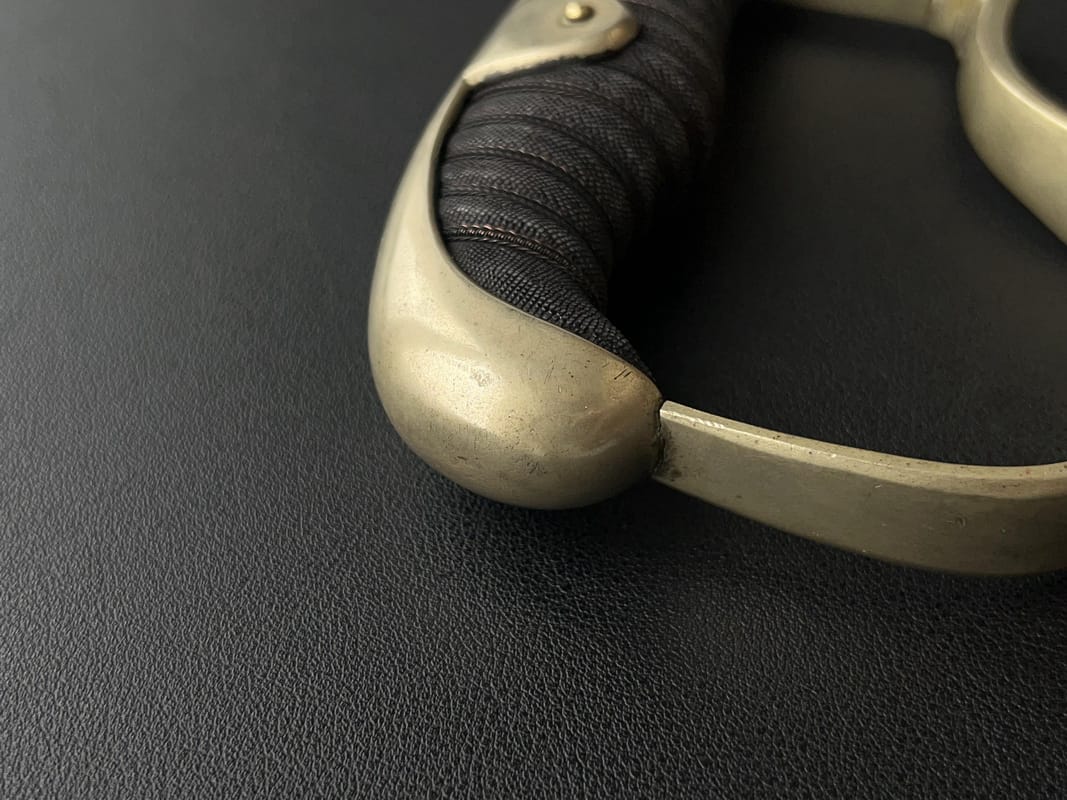
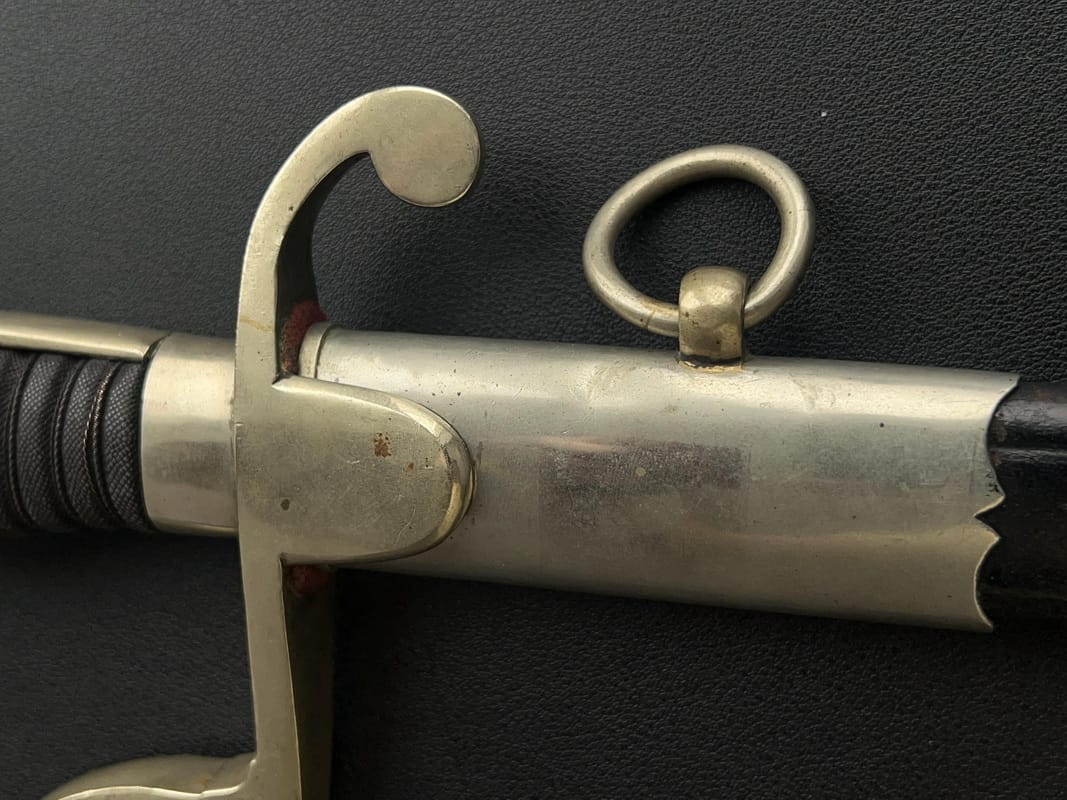
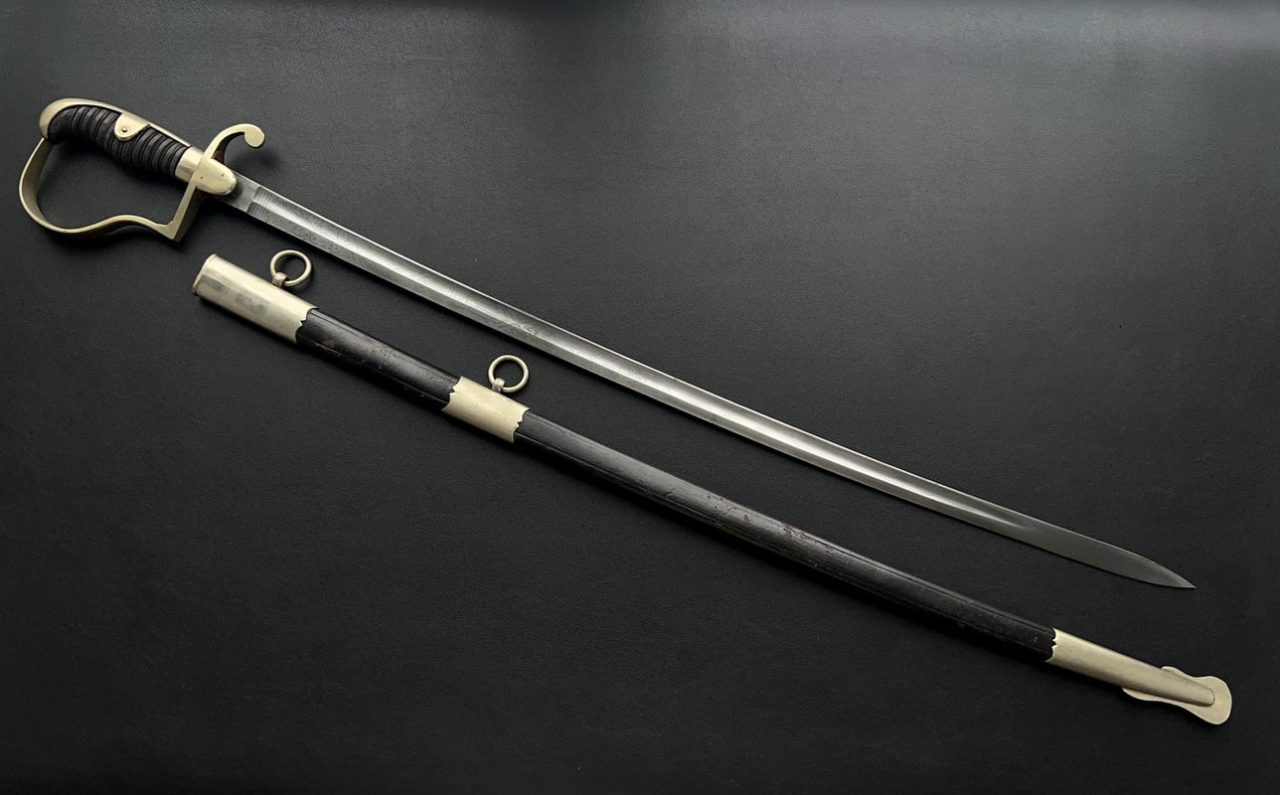
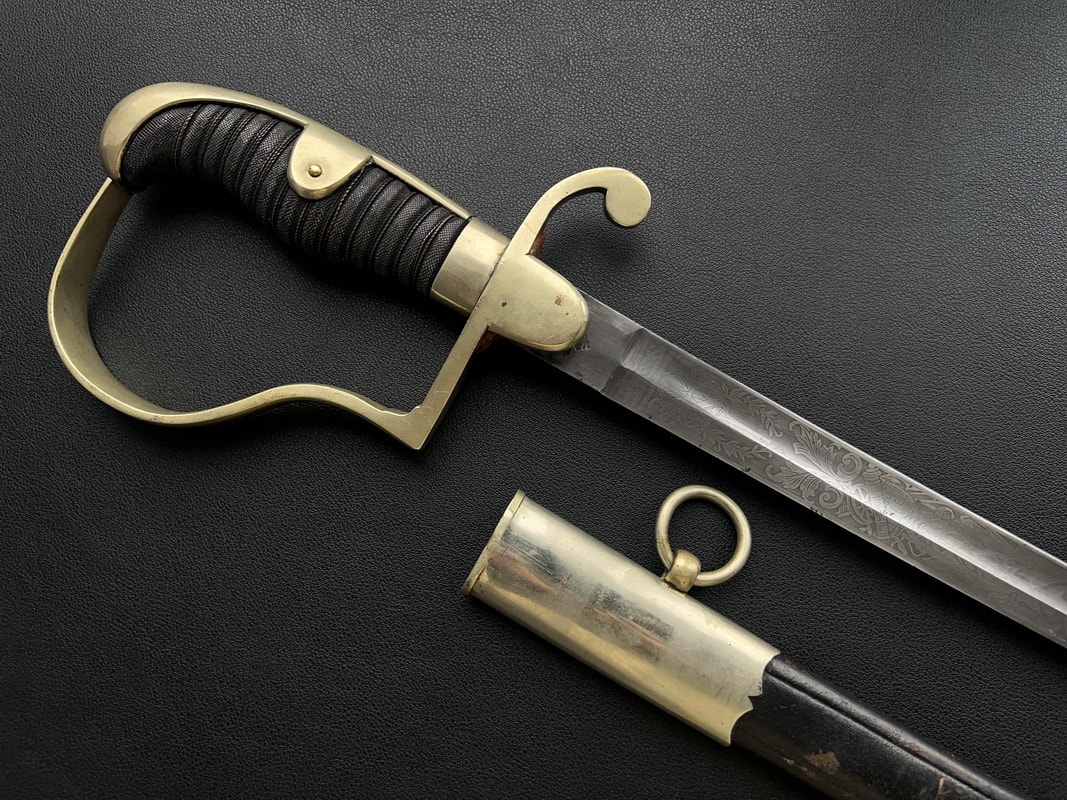
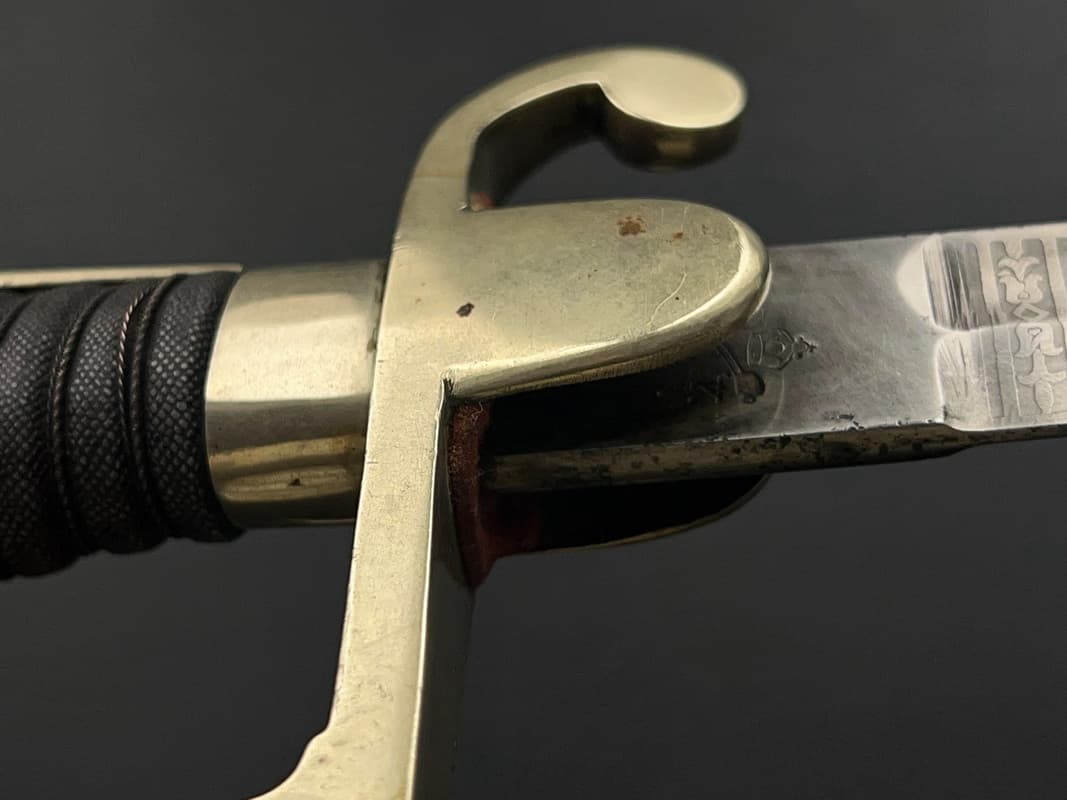
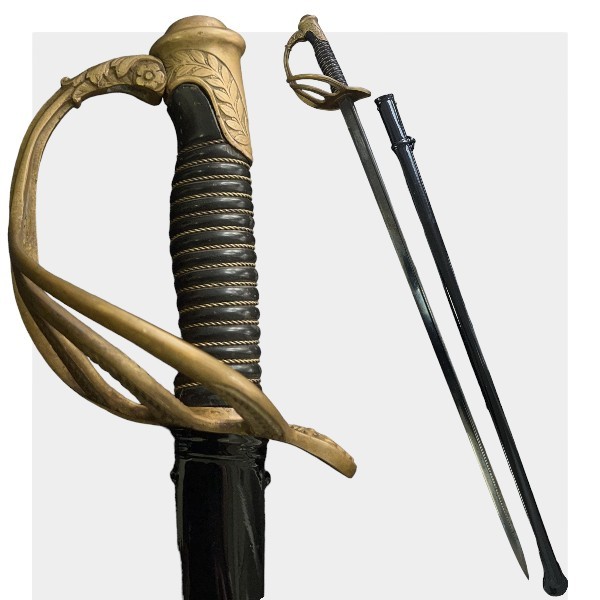
The hilt of the saber consists of a hilt and a nickel-plated steel guard. It has transverse grooves on which it is sheathed with three rows of twisted wire of different diameters. At the bottom of the handle there is an oval steel sleeve. The back of the hilt is covered by a steel bar, with extensions in the middle part and transitioning into a rounded head, connected to the shank of the blade “vrasklep”.
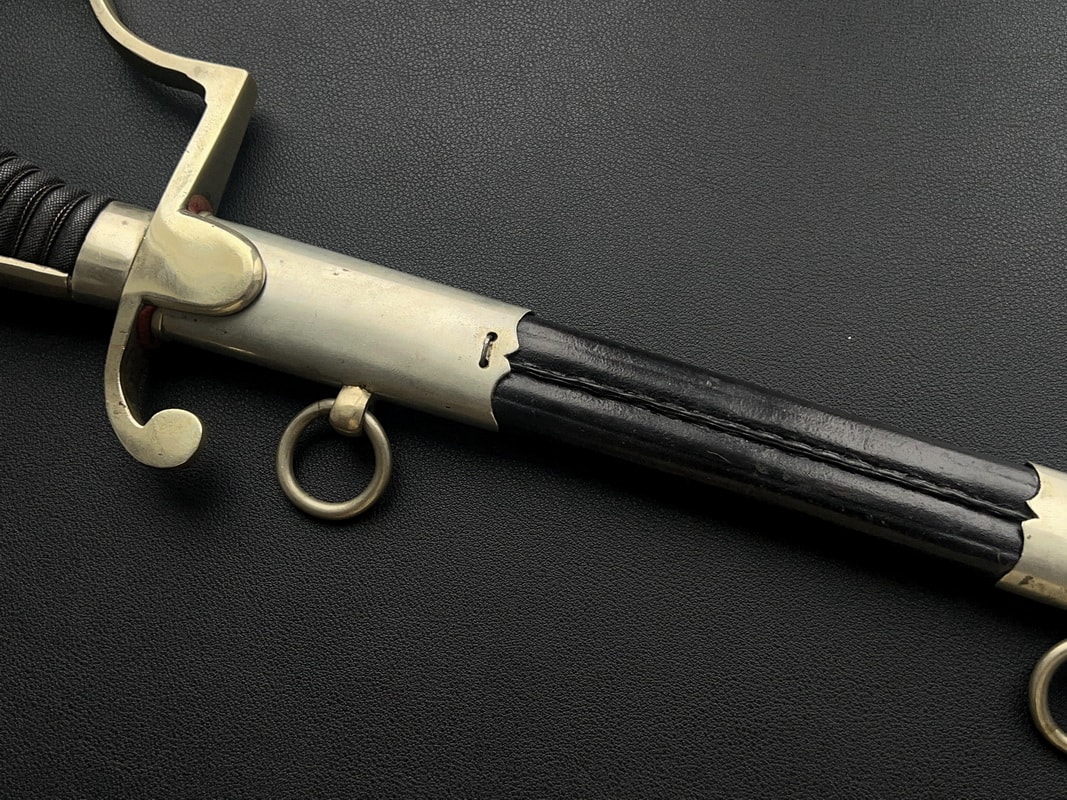
The garda is formed by a P-shaped guard shackle, widening at the top and passing at right angles to the cross-bar. Semicircular shields extend from the cross in the middle part on both sides. The end of the cross is slightly bent downwards and rounded.
Weapons with such “typically German” hilt in the arms literature were called “Blucher’s”, after the name of the prominent Prussian commander Gebhard Leberecht von Blucher, in whose units the cavalry soldier’s saber of the 1811 model first appeared.
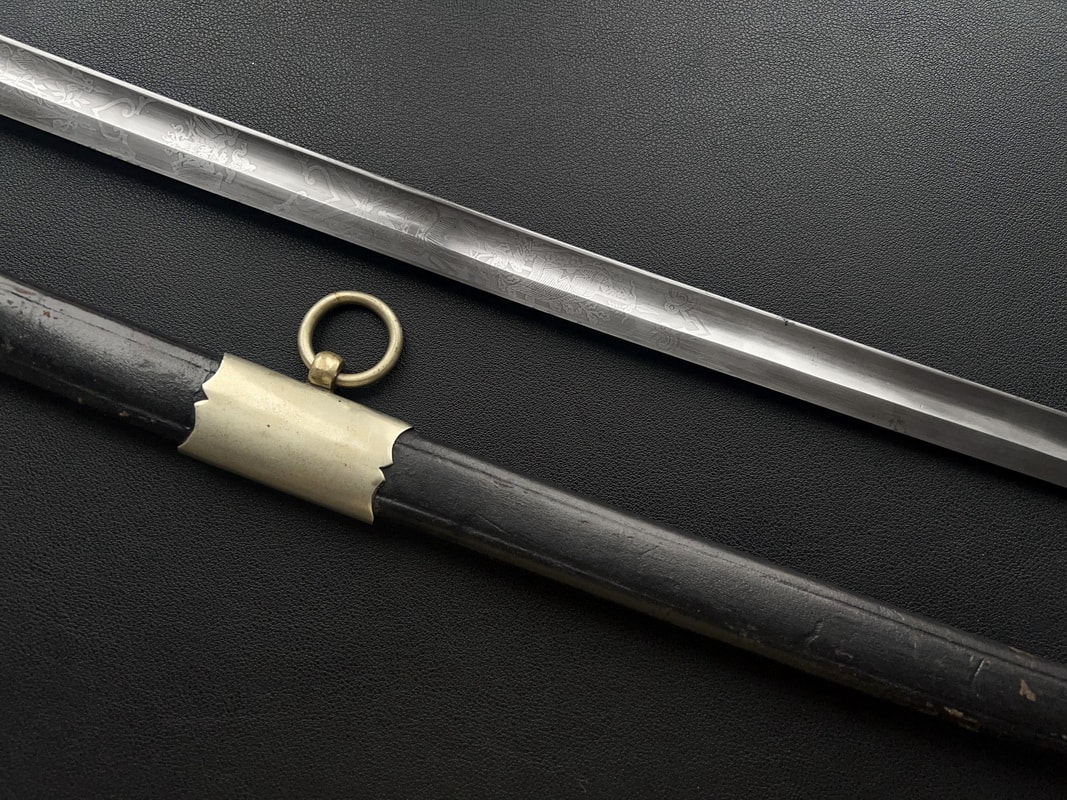
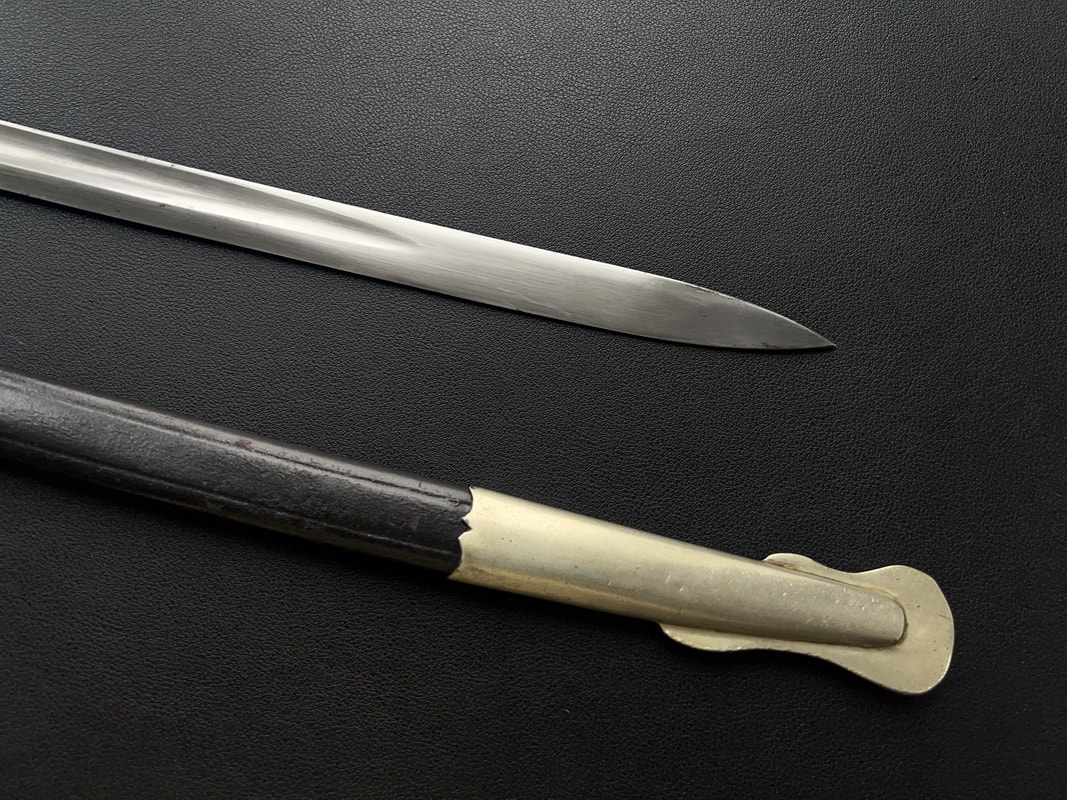
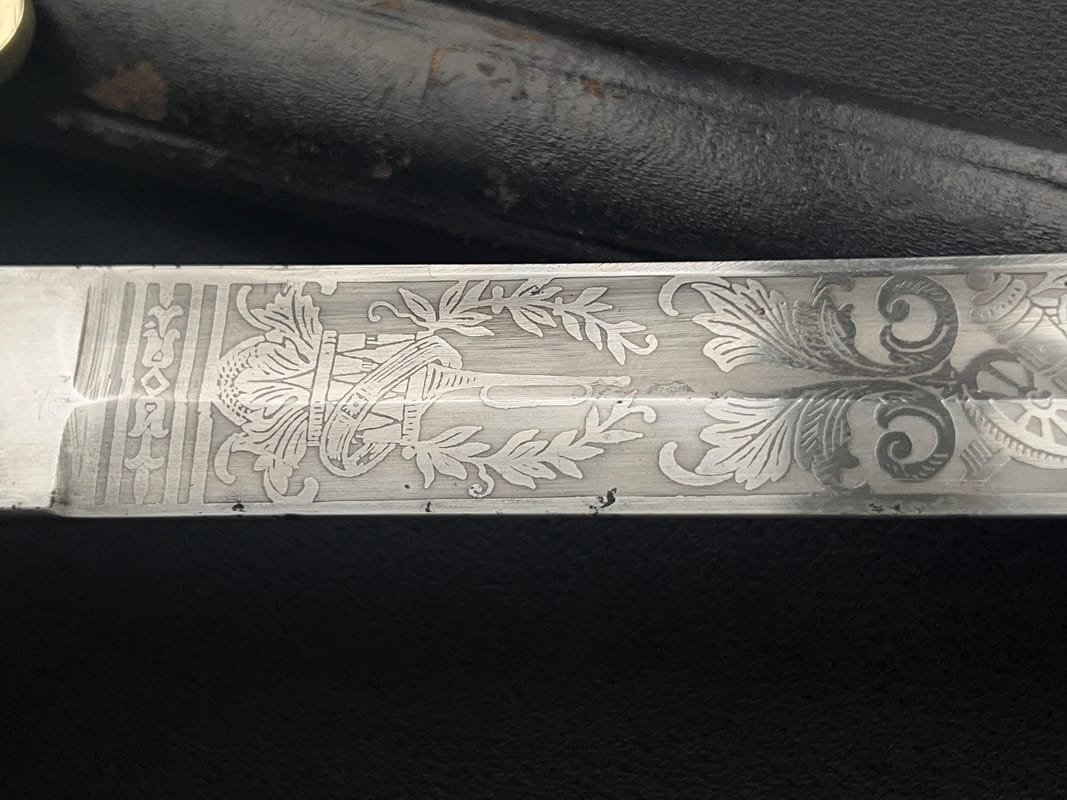
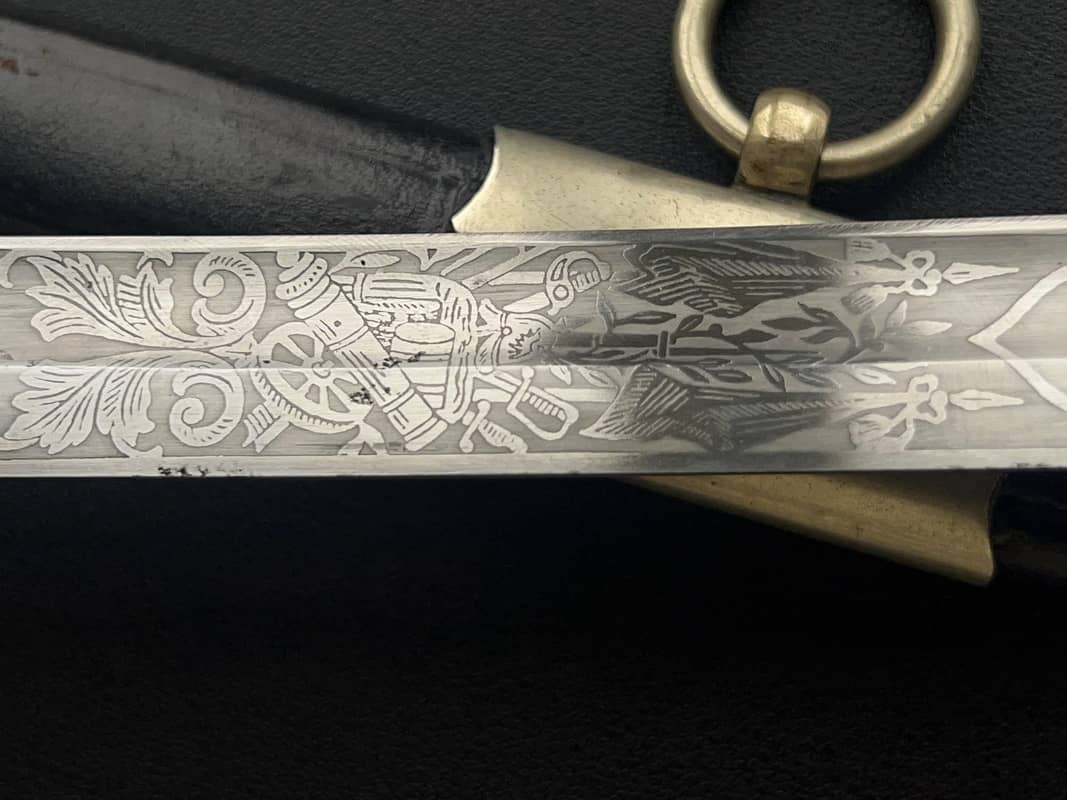
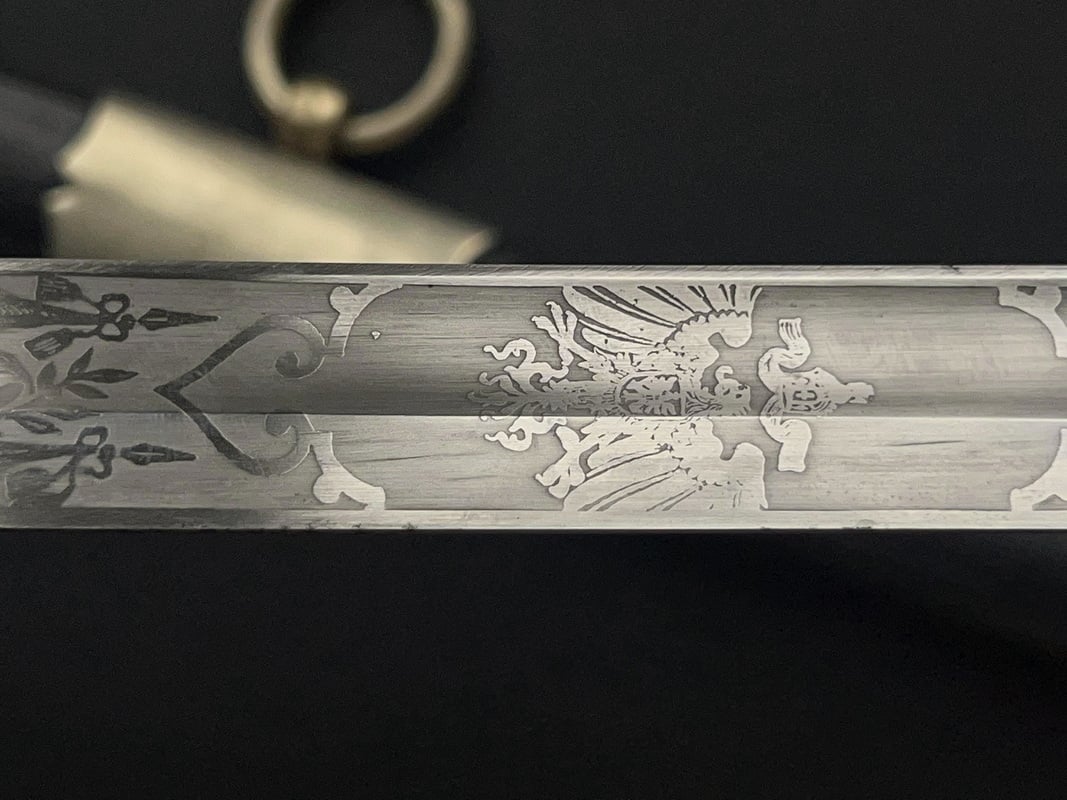
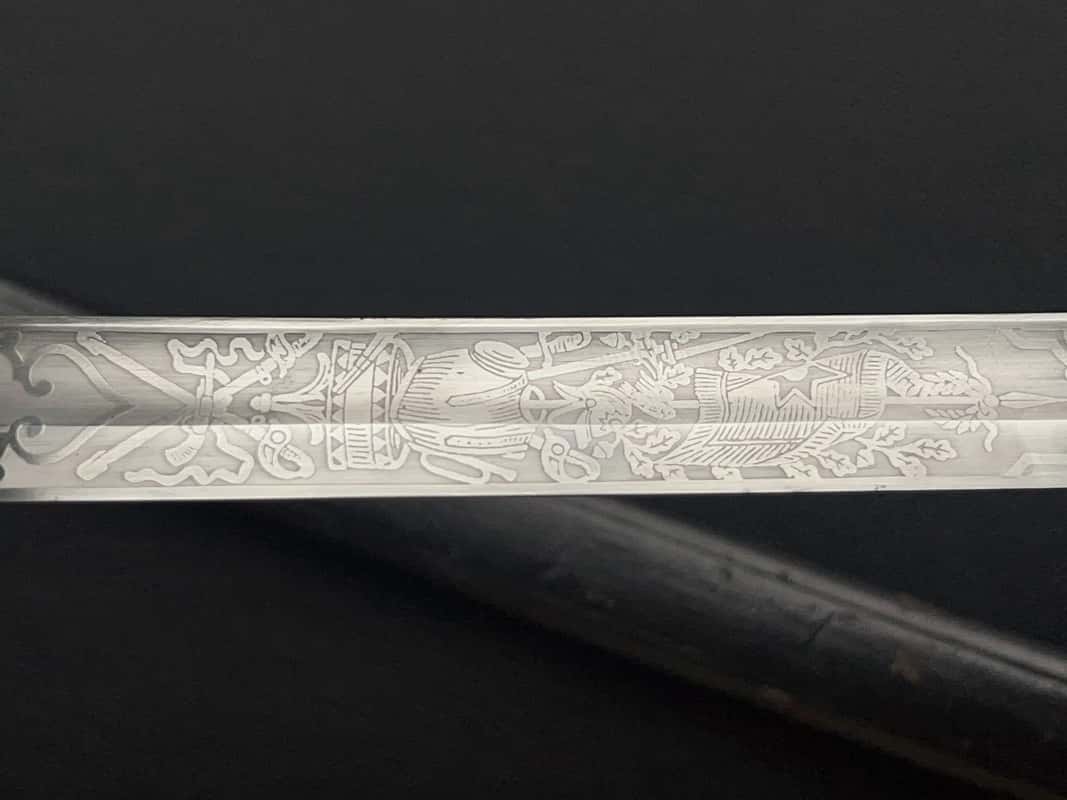
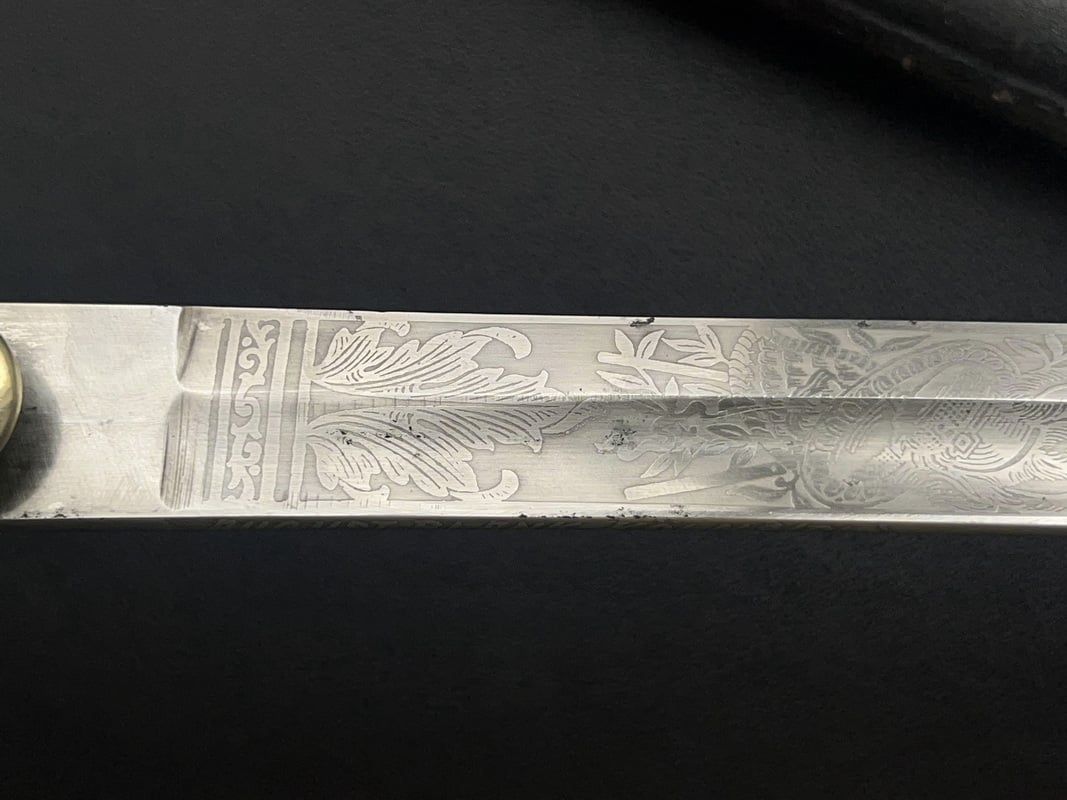
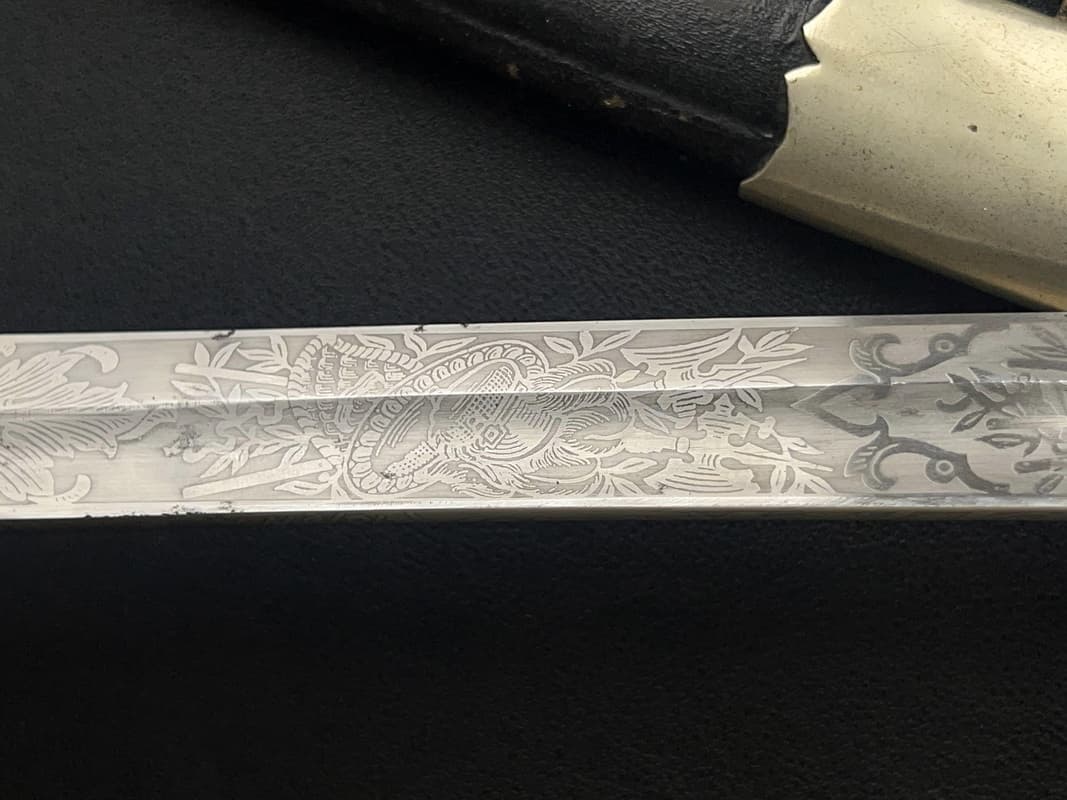
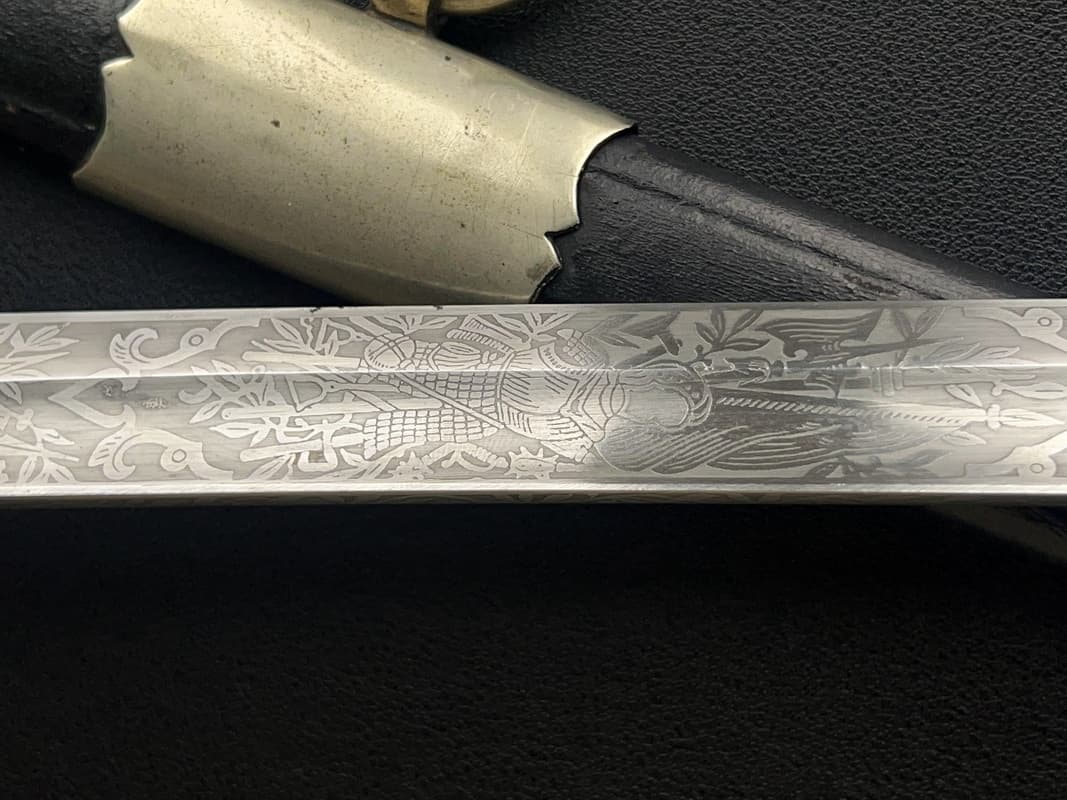
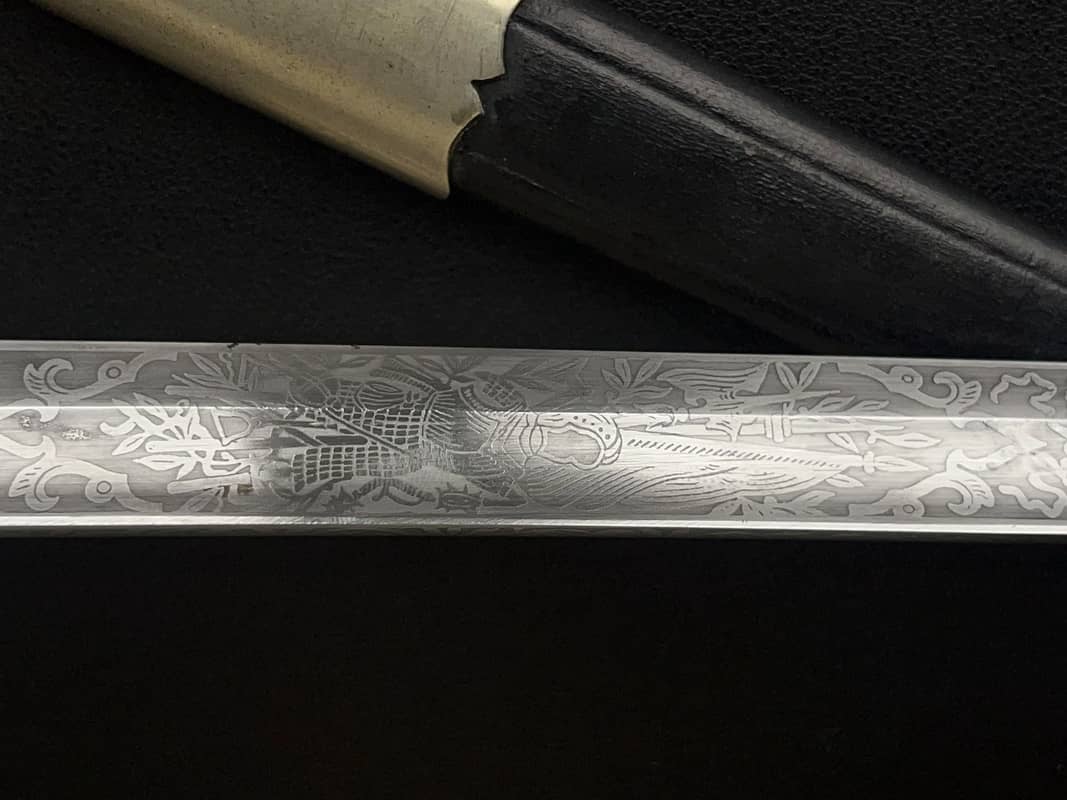
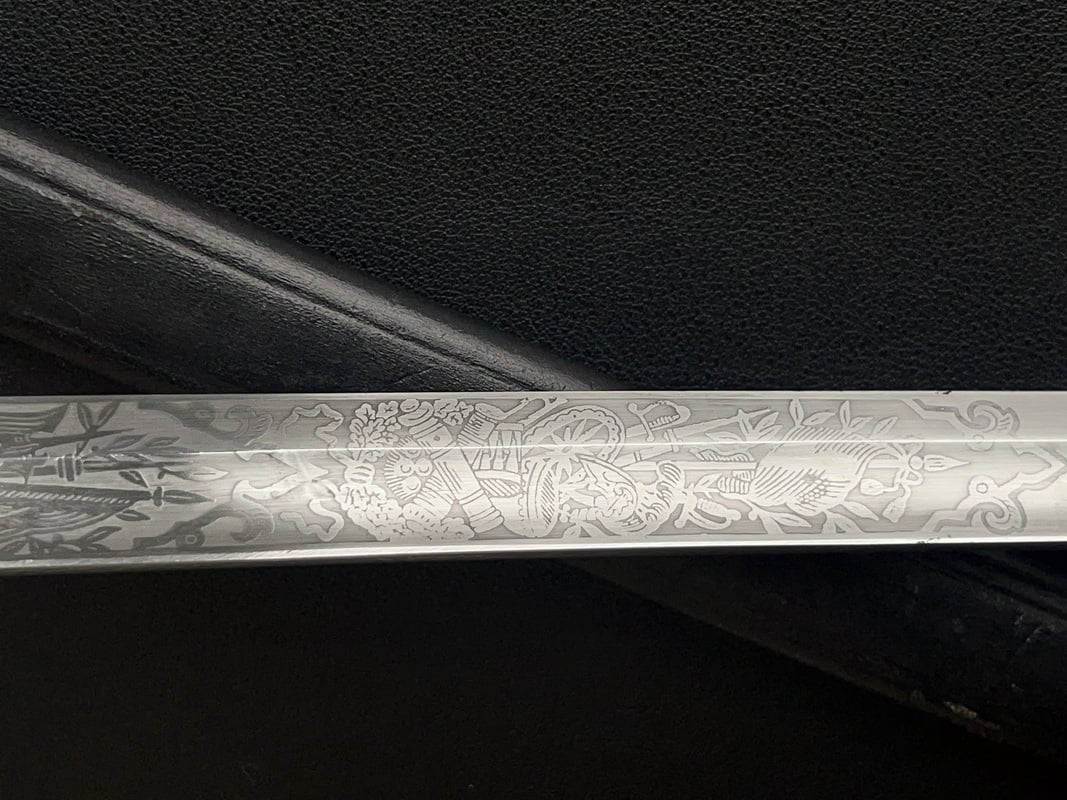
The blade of the saber is steel, nickel-plated, slightly curved, single-bladed, with a single lob. The combat end is double-bladed. The blade is decorated with a rich etching with growth ornament, military trophies, sabers, cannons, cuirasses and a banner, as well as an image of the Prussian eagle.
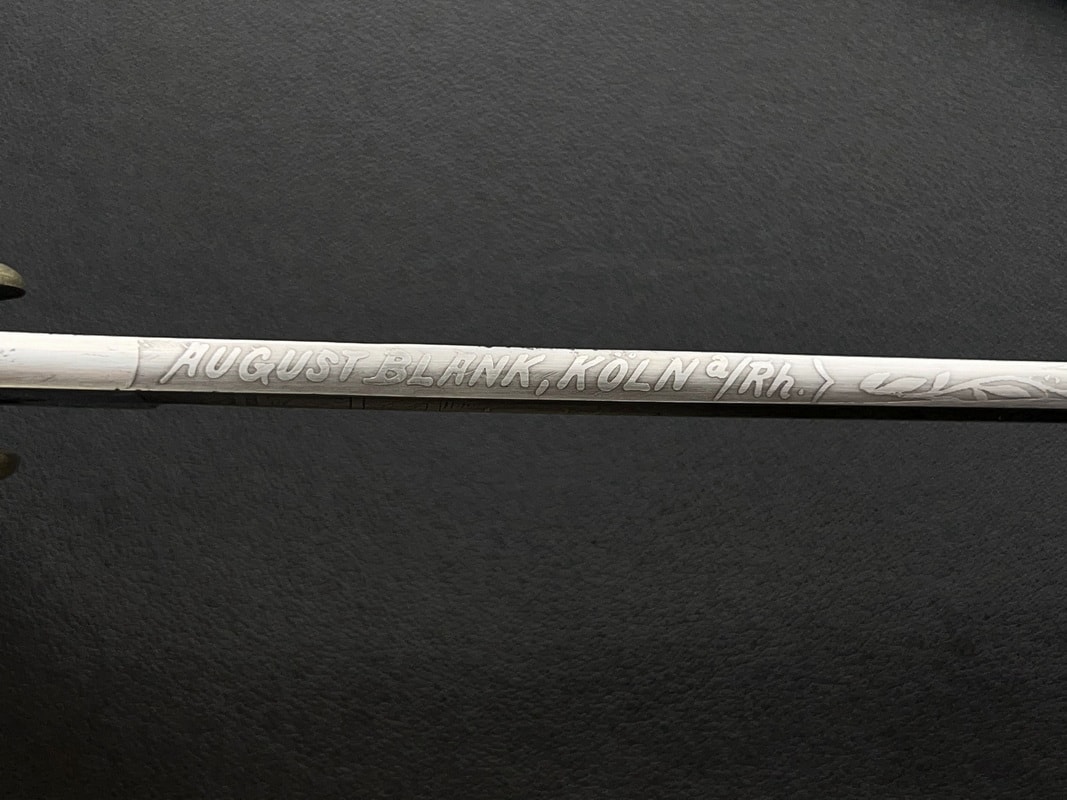
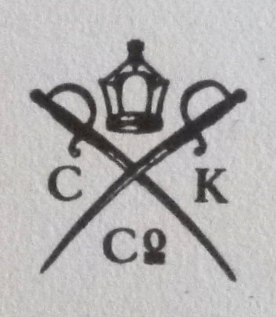
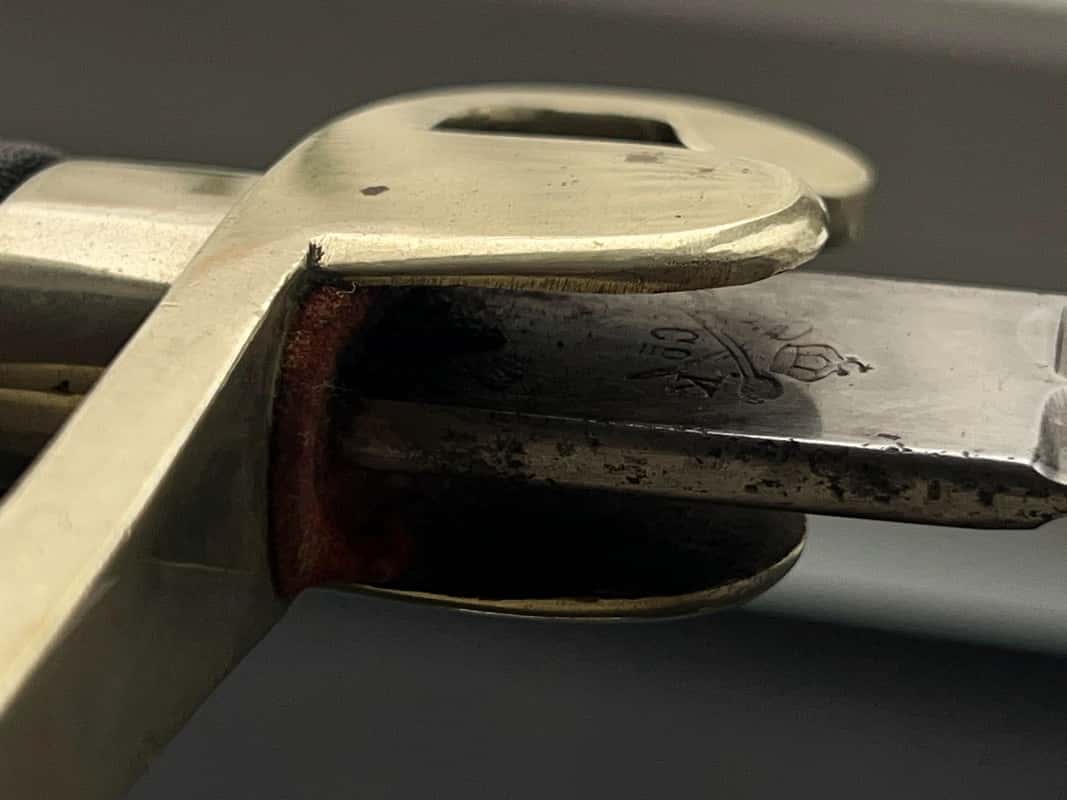
Manufacturers are indicated on the p’yat of the blade C.K.Co. Carl kaiser & co. Solingen on the blade edge August Blank, Köln a/Rh.
Black leather scabbard with a steel device, consisting of a clip mouth with movable rings and a cup.
Historical Background:
The Prussian Blüchersaber, or Blücher Säbel, was named after Field Marshal Gebgard Leberecht von Blücher, the hero of the Battle of Waterloo, where he and the Duke of Wellington’s army defeated Napoleon. This saber was introduced into the Prussian Army in the 19th century and quickly became popular due to its durability, ease of combat and excellent balance.
The Blucher type saber was characterized by a curved blade, which provided a powerful blow when cutting from horseback, making it extremely effective in cavalry attacks. Exquisite etching on the blade, inherent in the officer’s models, gave the saber an aesthetic value and was used to emphasize the status of its owner. The etching could include intricate military symbols, coats of arms, and ornaments, creating an incredibly beautiful and unique design.
Used during the Napoleonic Wars, this saber became a favorite weapon not only of the Prussian army, but also of many European countries. Its popularity remained unchanged until the end of the 19th century, when it became a symbol of military valor and left a significant trace in the history of gunsmithing. Sabers with this etching were often inherited or kept as trophies of honor, preserving the spirit of past eras.
Manufacturers are indicated on the p’yat of the blade C.K.Co. Carl kaiser & co. Solingen on the blade edge August Blank, Köln a/Rh.
The Carl Kaiser & Co. trademark is a pair of crossed sabers superimposed with the initials “C K Co” and surmounted by a crown.
Karl Kaiser & Co., Solingen: The company was founded around 1850 and ceased to exist, presumably in the 1920s. Blades with the branding of this company were used not only in Germany, but also exported to other countries.
He was a well-known craftsman and manufacturer of edged weapons, particularly sabers, in Cologne am Rhein, Germany.
August Blank was one of the famous manufacturers of edged weapons that operated in the city of Cologne on the Rhine (German: Köln am Rhein), Germany. This city was an important center for weapons manufacturing in the 19th century.
Here is what can be said about August Blank and its activities:
1. Time of activity: The manufacturer was active in the middle and late 19th century, particularly during the period when the Prussian armies were gaining strength. August Blank made sabers and other edged weapons for military and civilian orders.

2. Location: The inscription on the arms “Köln a/Rh” (or “Coeln a/Rh”) means Cologne on the Rhine, referring to the city of Cologne, which is located on the Rhine River. It was a significant industrial center at the time.
3. Famous: Blank gained a reputation as a reliable manufacturer of quality weapons for the army. Its products are often found on sabers used by Prussian army officers during various military campaigns, including the Franco-Prussian War (1870-1871).
4. Style and Quality: August Blank products are characterized by superior blacksmithing skill and workmanship, which was an important factor for military weapons of the time. Sabers marked with his name were popular with officers because of their reliability and skillful design.
5. Branding and markings: Sabers produced at the August Blank factory are usually branded with the maker’s name and place of manufacture, e.g. “AUG. BLANK COELN a/RH.” This is one of the main identification markings indicating the manufacturer.
Photo Review:


| Collection | |
|---|---|
| by dating | |
| by country and region | |
| by type | |
| by type of troops |
Add a review
Be the first to review “Prussian “blucher” type saber with exquisite etching”
Related products
-
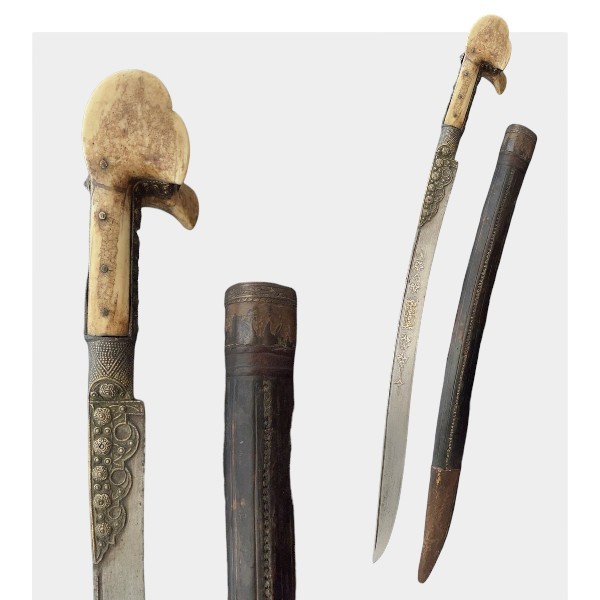
Yatagan of the Ottoman Empire with the inscription: “O Muhammad, be my assistant.” 1824
Original price was: 4,250 $.3,749 $Current price is: 3,749 $. -
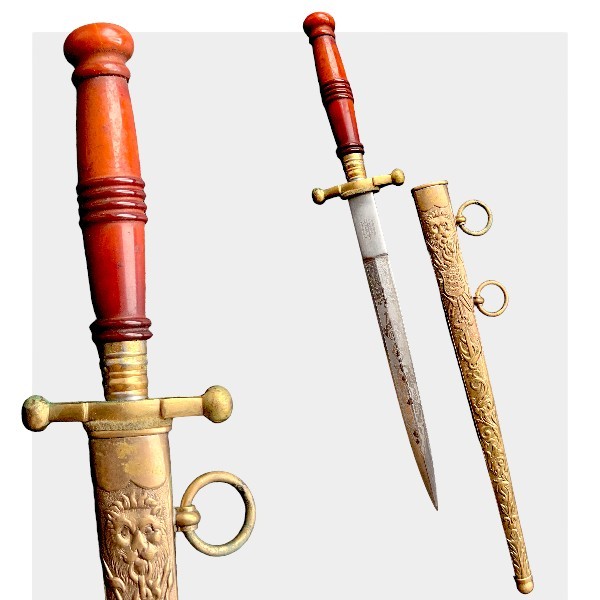
Sword for officers of all branches and administrations model 1872
Original price was: 620 $.600 $Current price is: 600 $.












Updating…
There are no reviews yet.