


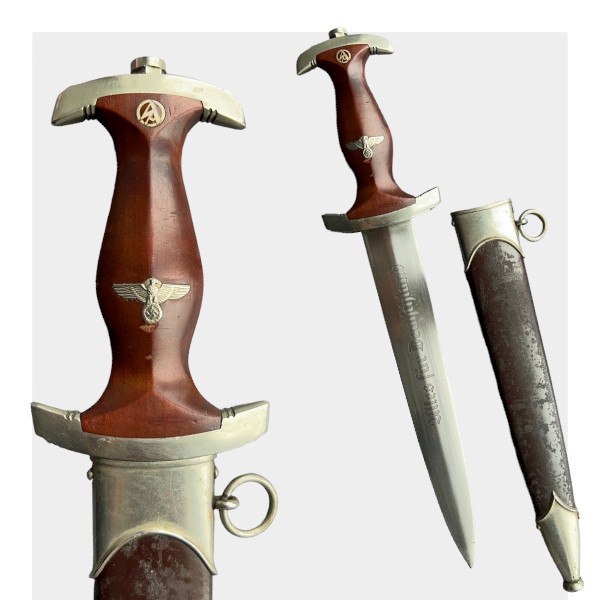
Buy⚔️ for gift and for collecting SA assault squad dirk early model of 1933. Third Reich. Julius Bahrl Jr. Solingen in Ukraine city of Kyiv
Dear Collectors and guests of the site Antique Gallery, looking for a gift, in particular Antique weapons, your attention is invited:
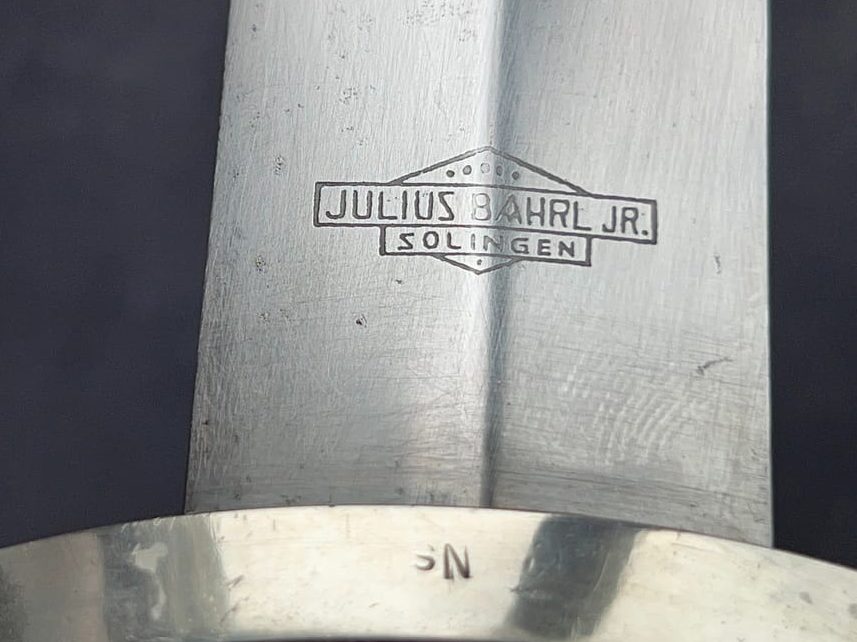
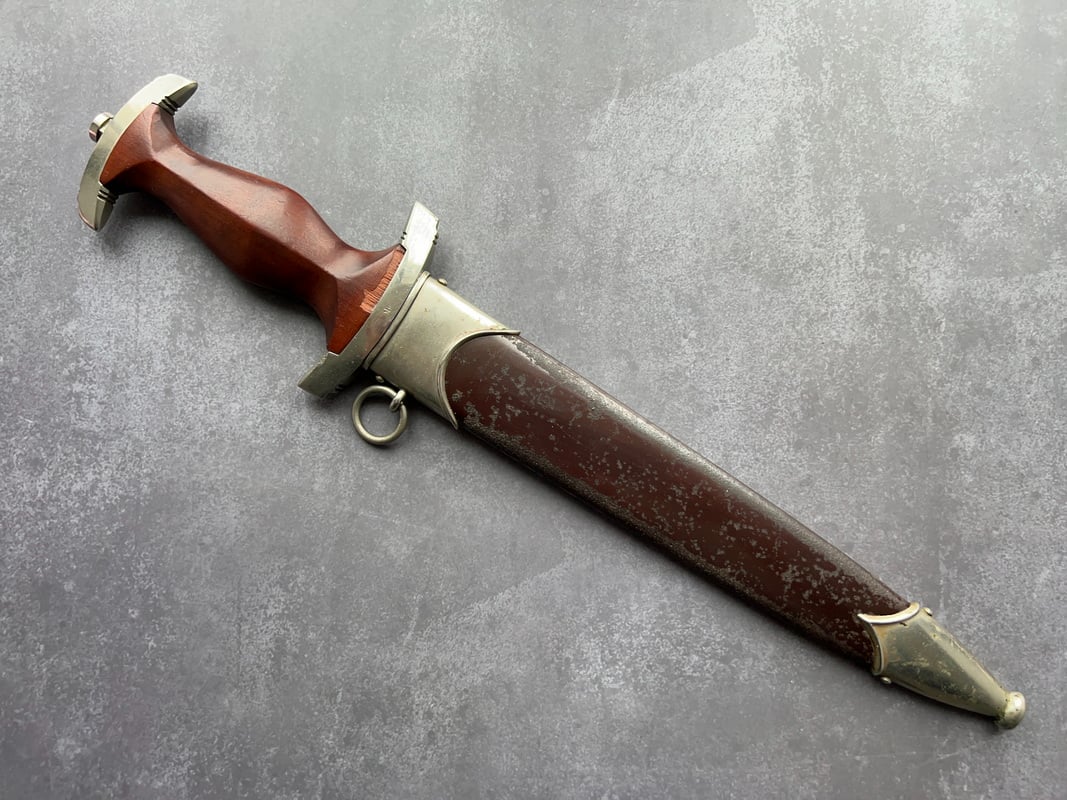
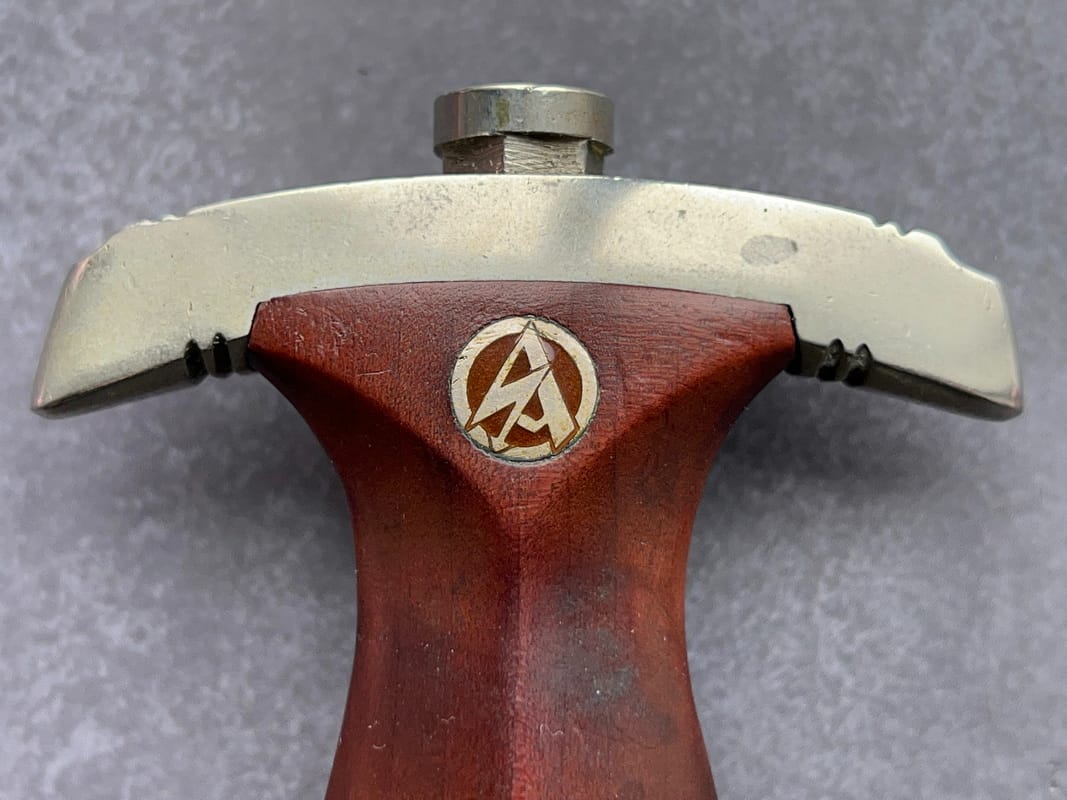
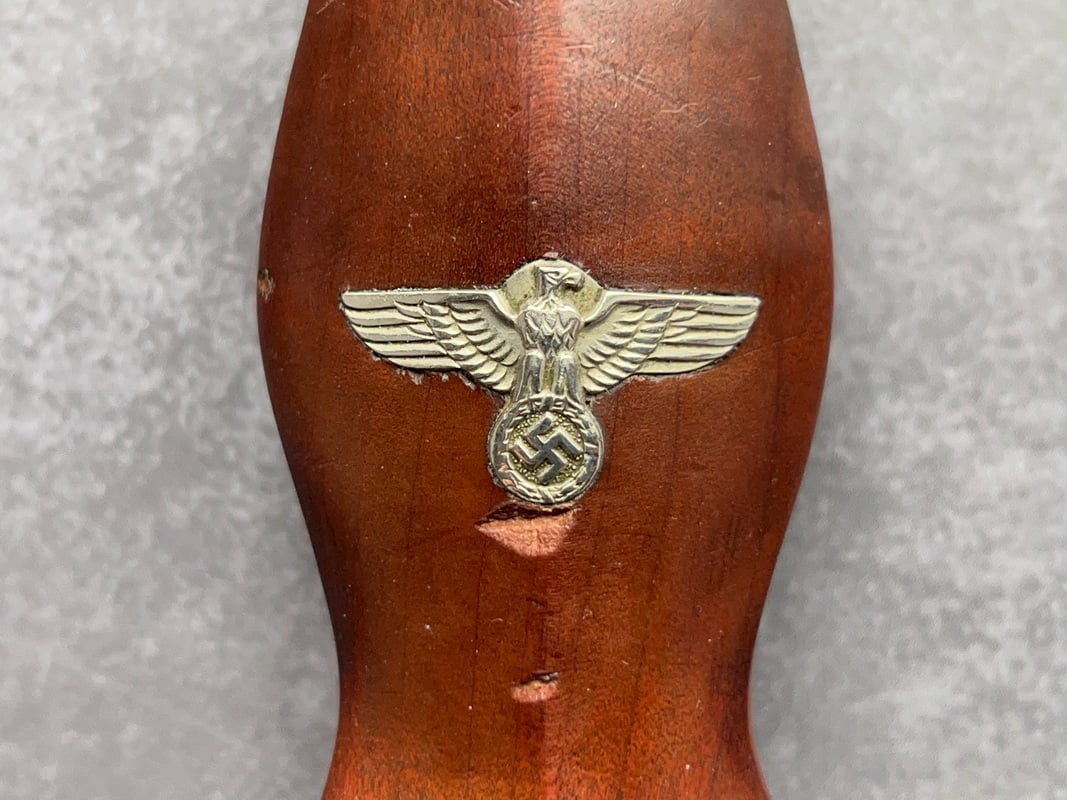
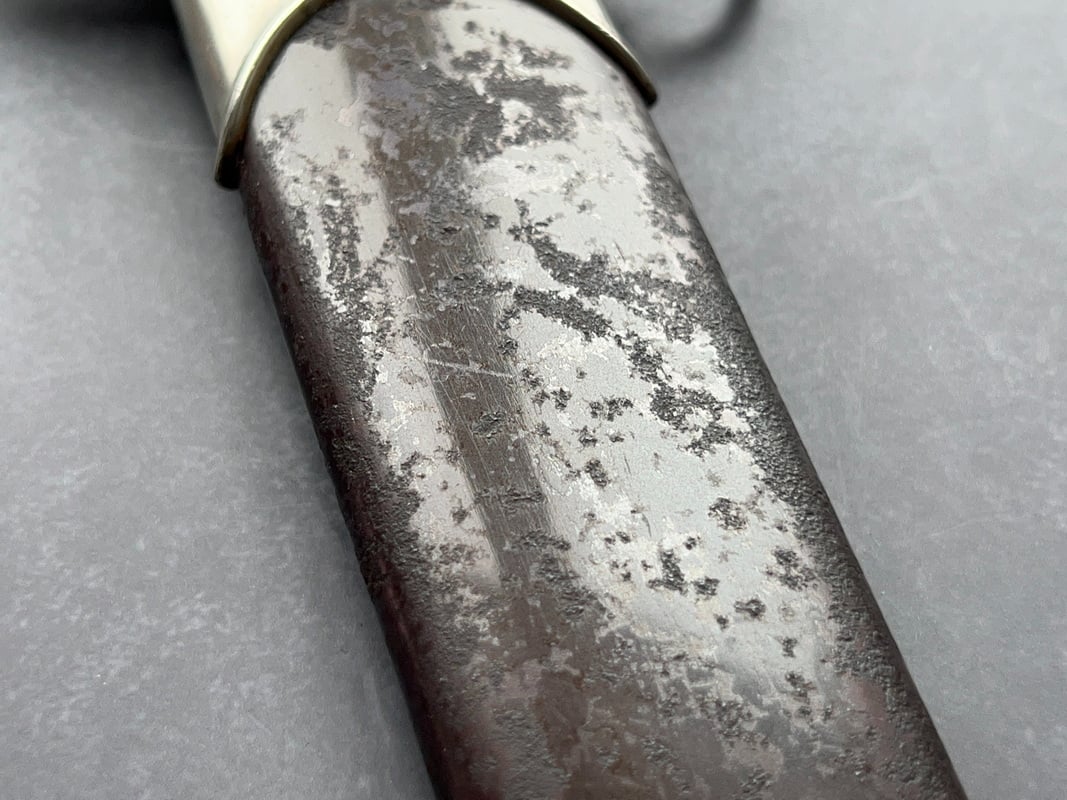
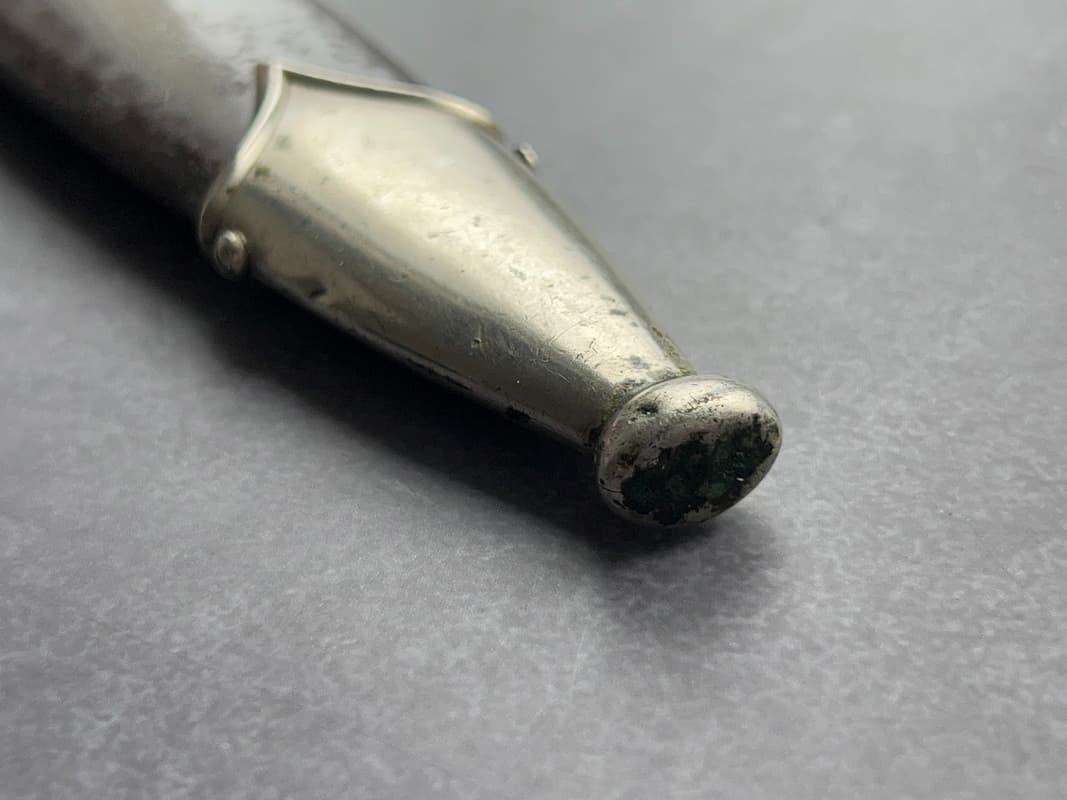
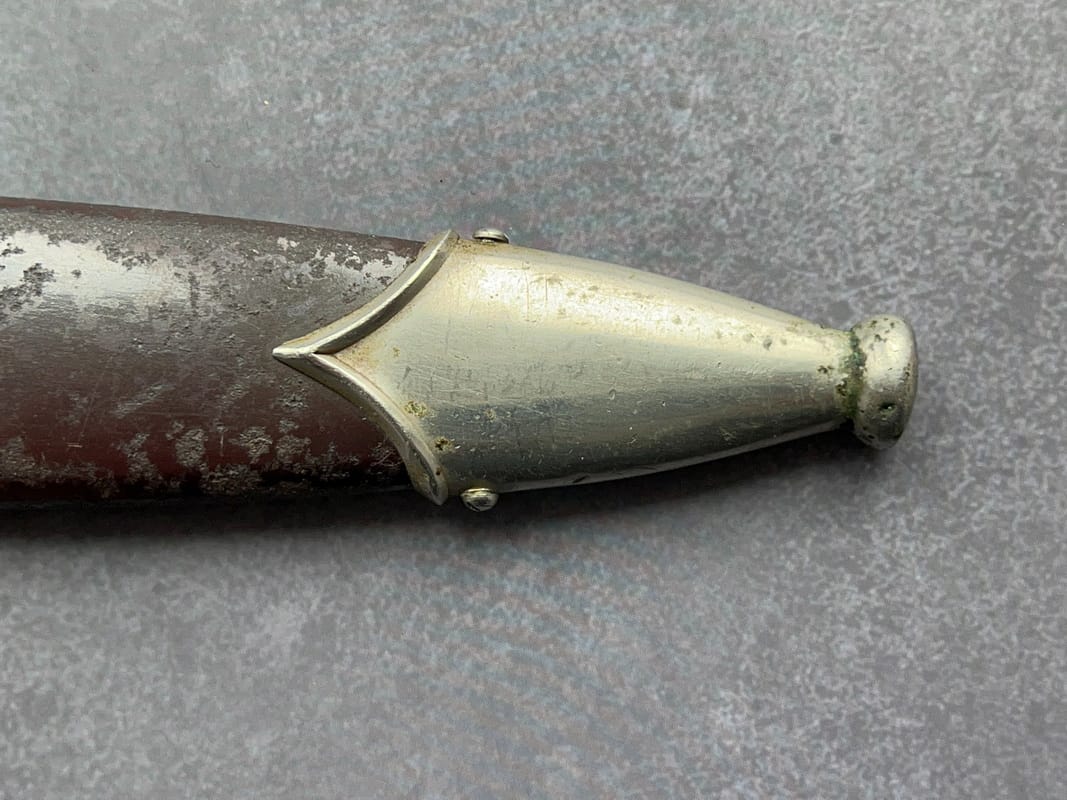
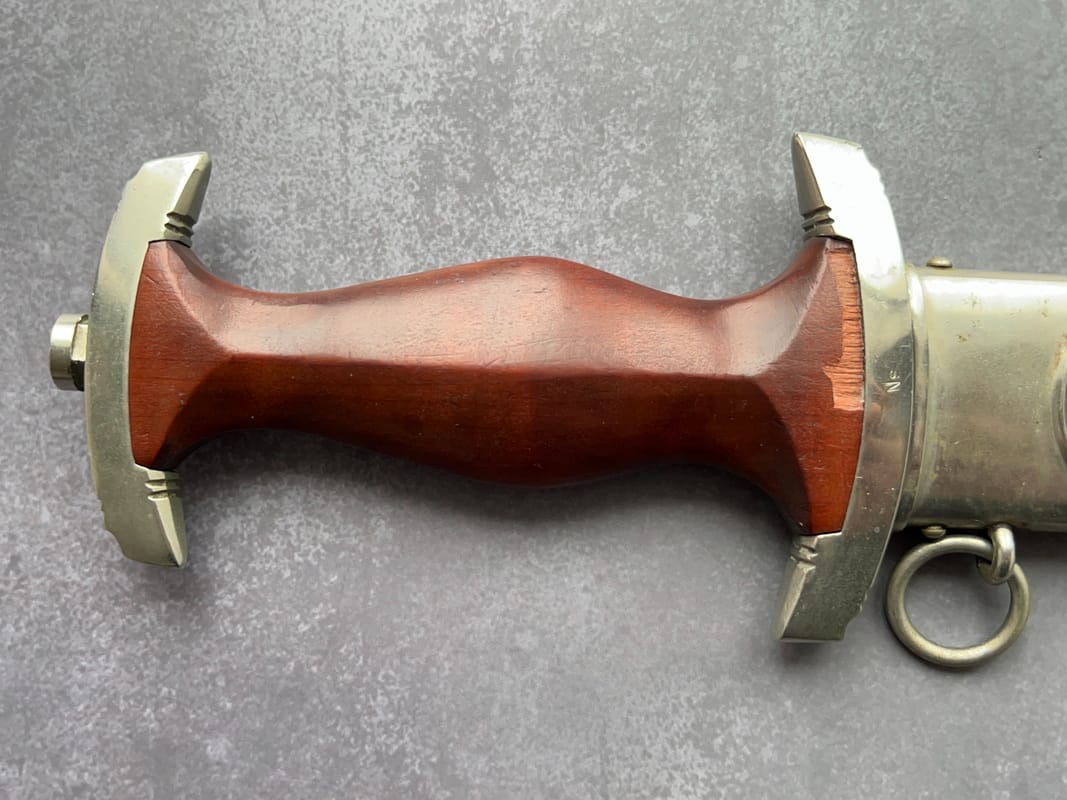
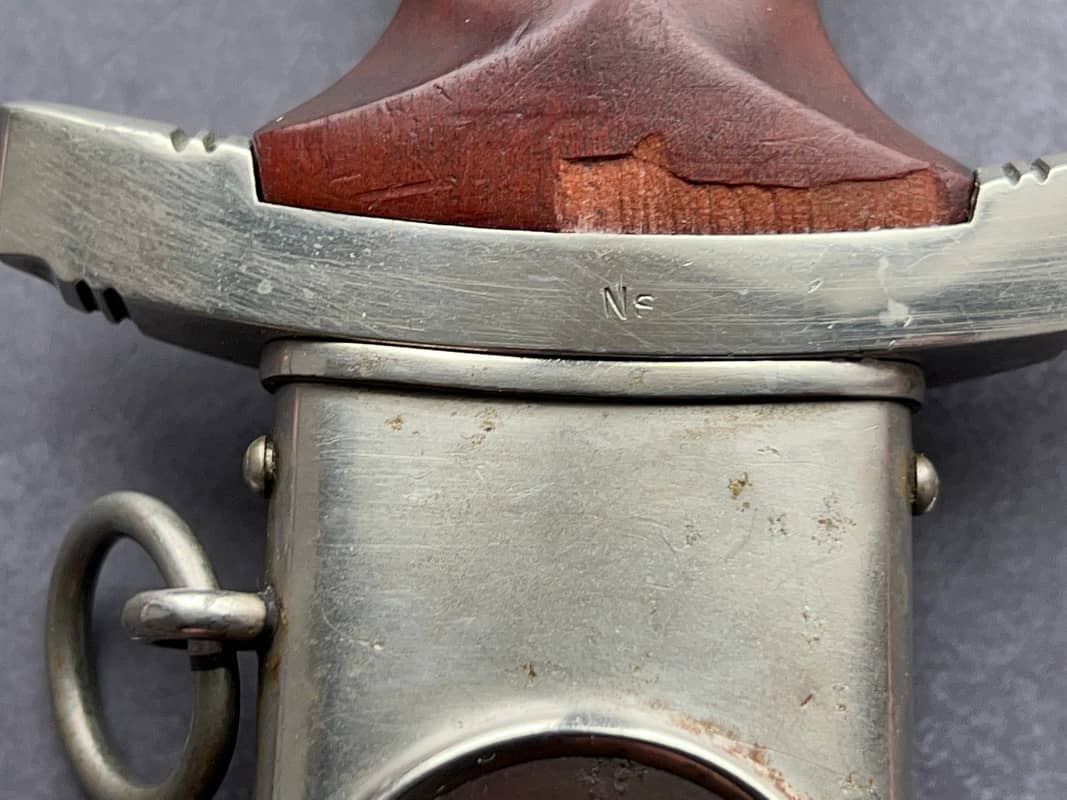
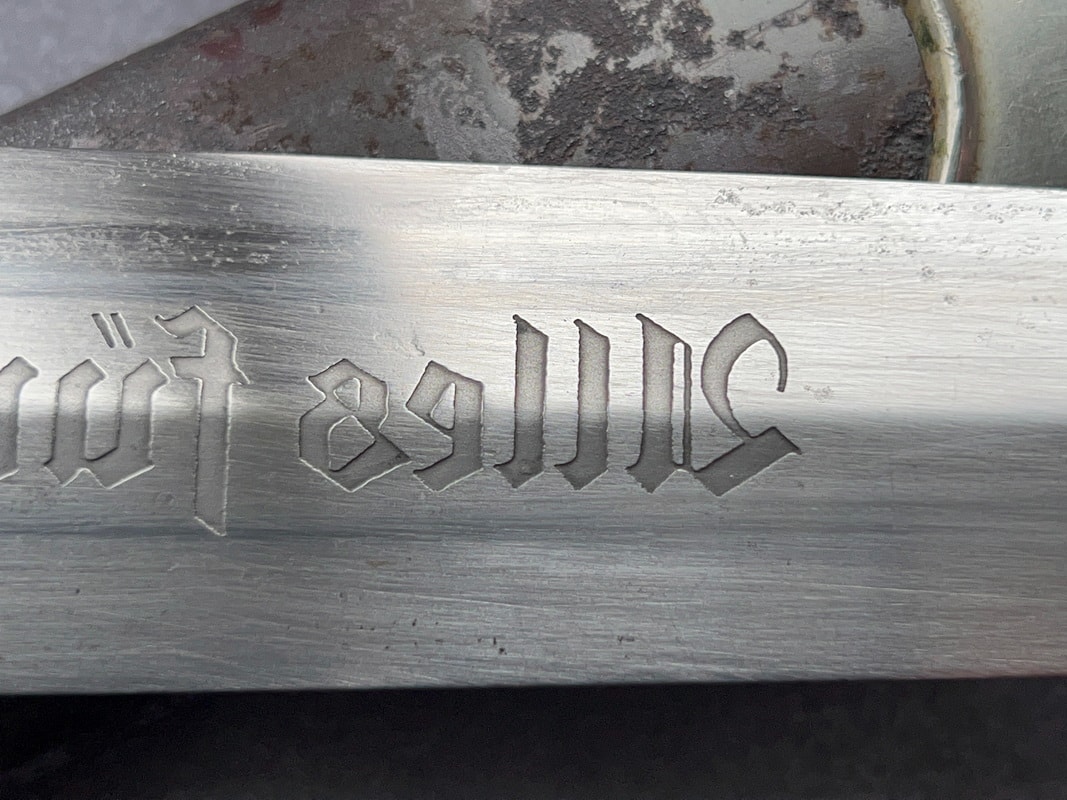
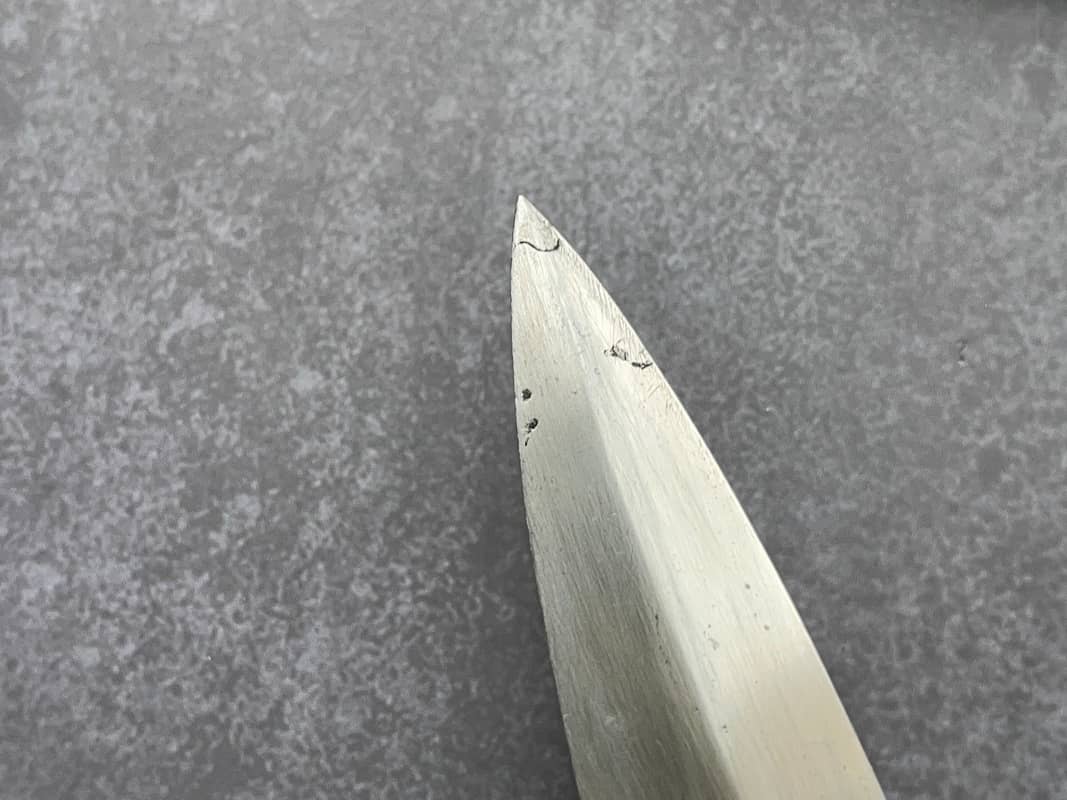
SA assault squad dirk early model of 1933. Third Reich. Julius Bahrl Jr. Solingen.
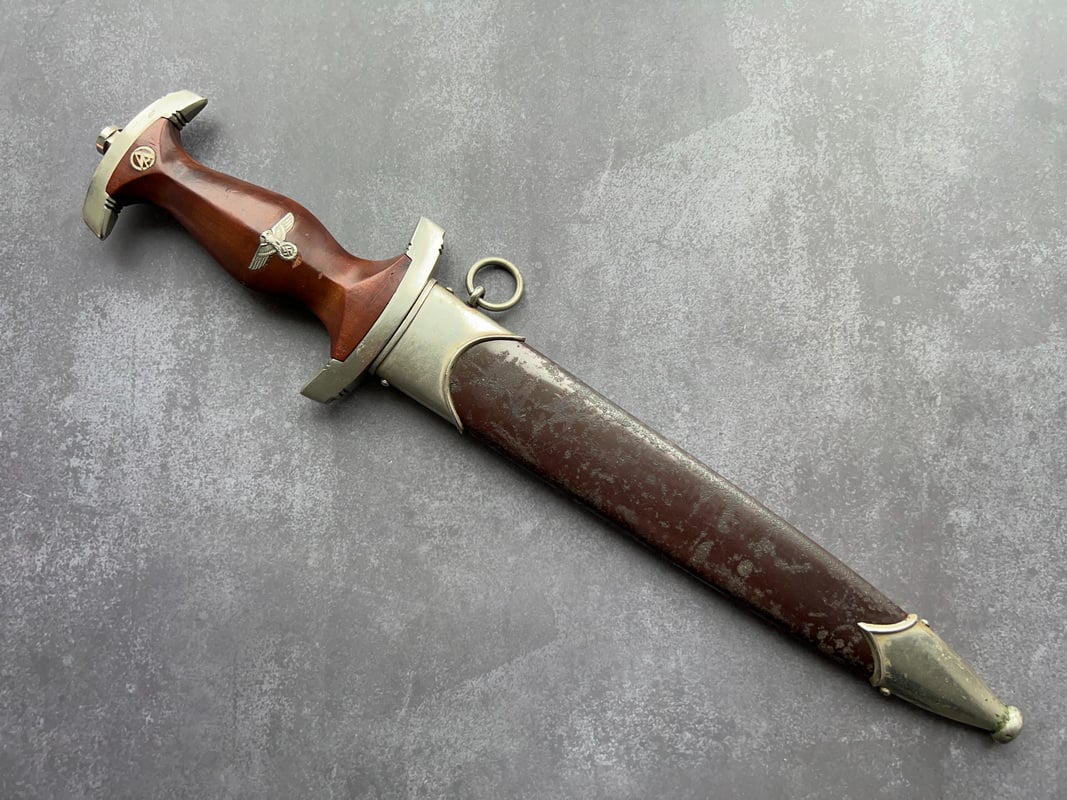
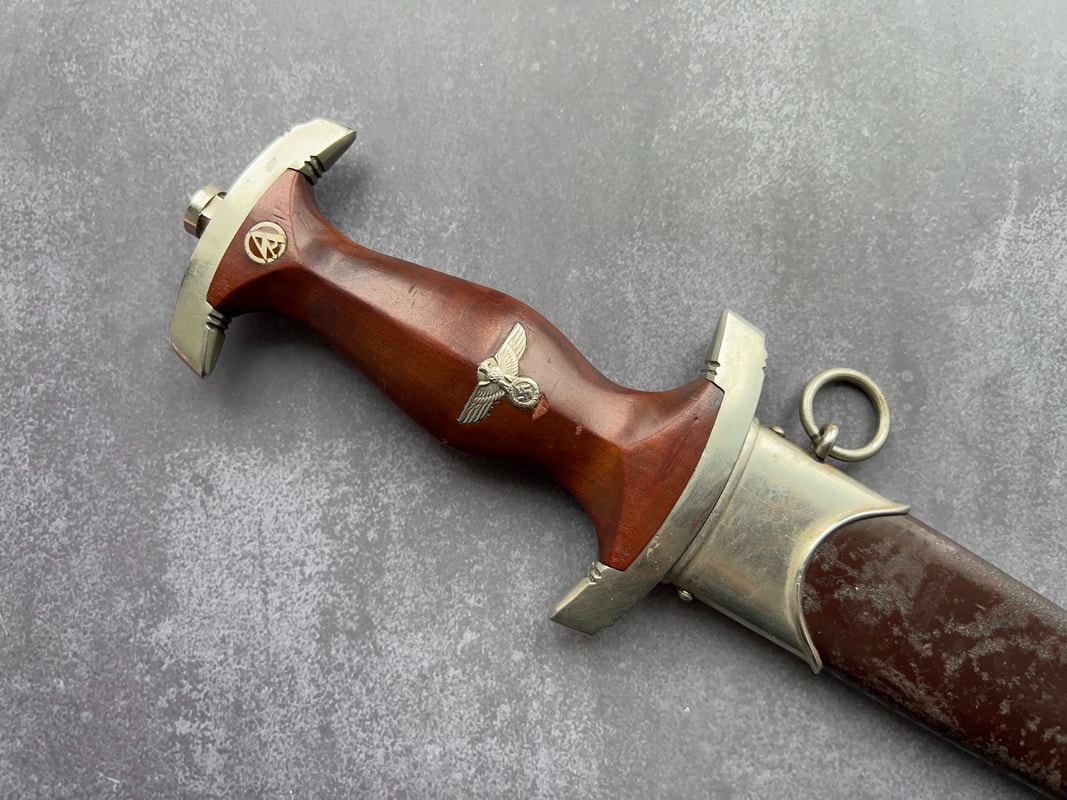
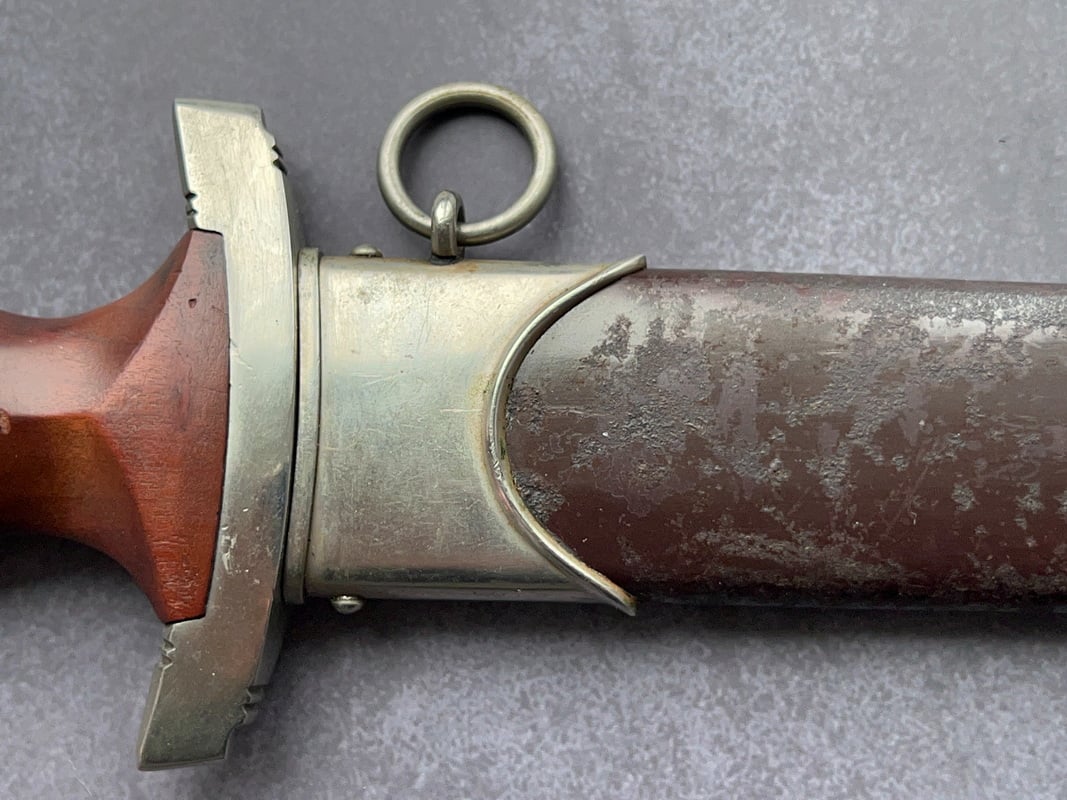
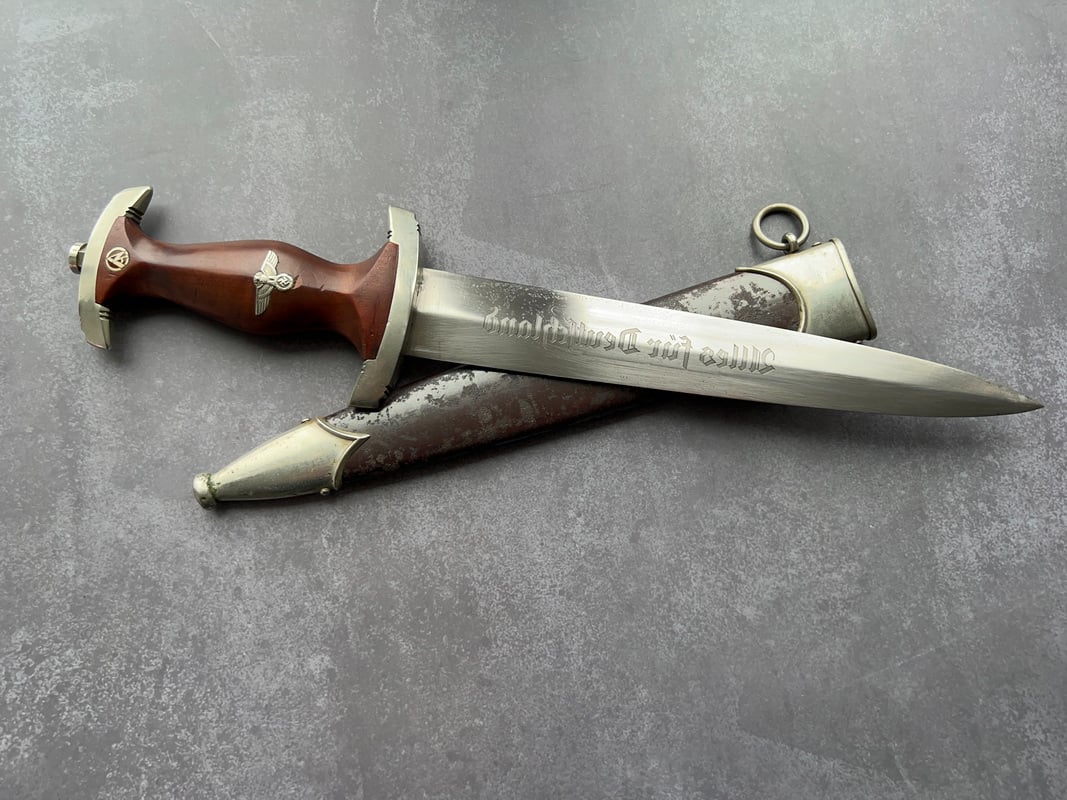
Feel the true spirit of history with this SA dirk early example from 1933! ?️ This dirk is the epitome of German gunsmithing craftsmanship and national symbols. Made of high quality materials, it has an elegant design with distinctive emblems and engravings that emphasize its historical value. This dirk will be an excellent addition to any collection of antique weapons, and will also decorate your interior, giving it a unique historical charm. Do not miss the opportunity to become the owner of this unique artifact, which tells about an important period of world history! ?
Not much is known about the Julius Bahrl Jr. company , Stahlwarenfabrik. I have been unable to find any records from 1932. Early SA daggers were made during the Third Reich era – Fischer estimates there were 1,000 of them. In 1939 the firm was located at Waardt 4 in Solingen-Merscheid. It is likely that trading ceased after the war.
Historical Background:
The SA dirk of 1933 is one of the most famous models of edged weapons used by members of the Sturmabteilung (SA) in Nazi Germany. The idea for this dirk originated in 1933 as a means of helping Solingen’s financially oppressed industry. Once the design was officially adopted, these dirks were made in the millions until the end of World War II, which halted production.
The very first SA dirks were made without the small SA emblem at the top of the hilt, but after a few months the design changed: the SA insignia was added to the eagle and swastika on the hilt.

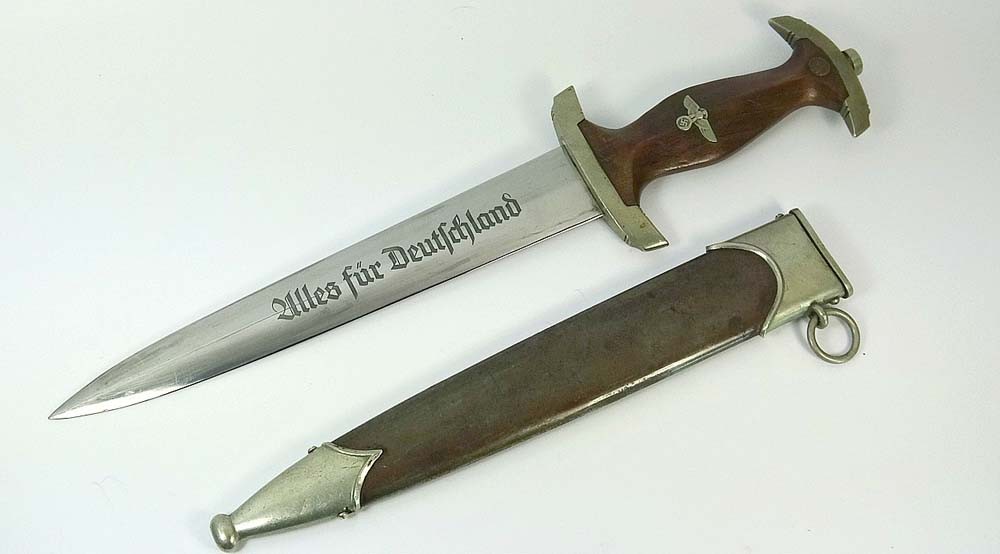
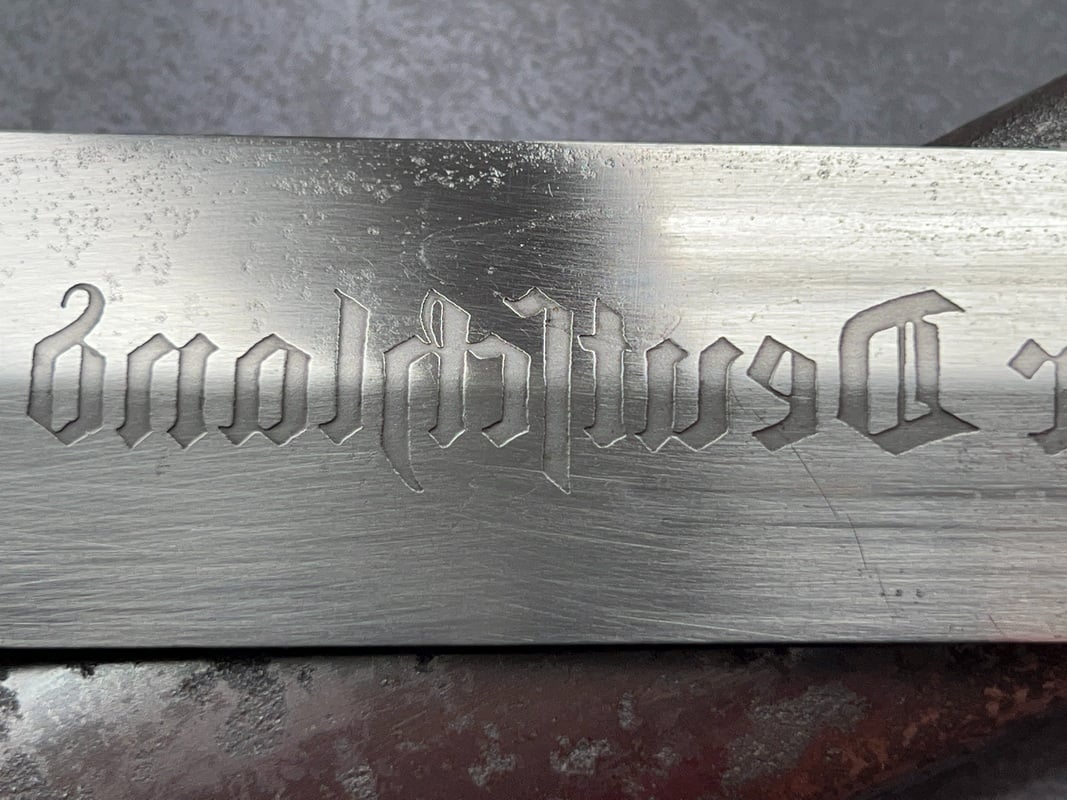
The dirks were made of high quality materials, had wooden handles with inlays and engraved metal elements. The SA motto “Alles für Deutschland” (“Everything for Germany”) was often inscribed on the blade of the dirk, which emphasized the ideological orientation of the organization. During World War II, SA dirks were used not only as symbols, but also as ceremonial weapons at various events and parades. They became an important part of the military uniforms and paraphernalia of Nazi Germany, making them significant historical artifacts. Today, SA dirks from 1933 are highly prized by collectors for their historical and cultural significance.
There are three main types of SA dagger production:
- early 1933-1935
- middle 1936-1938 (double labeling likely before 1940)
- late 1939-1942

For more information about the 1933 model SA Dirk, see the link:
Photo Review:






| Collection | |
|---|---|
| by dating | |
| by country and region | |
| by type | |
| by type of troops |
Add a review
Be the first to review “SA assault squad dirk early model of 1933. Third Reich. Julius Bahrl Jr. Solingen.”
Related products
-
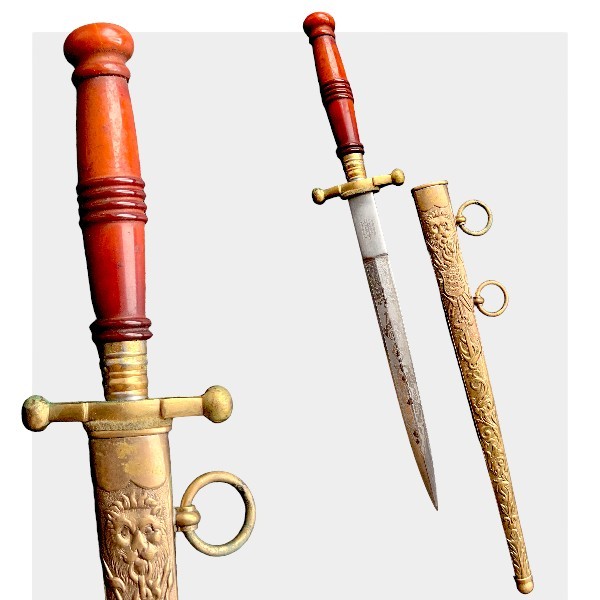
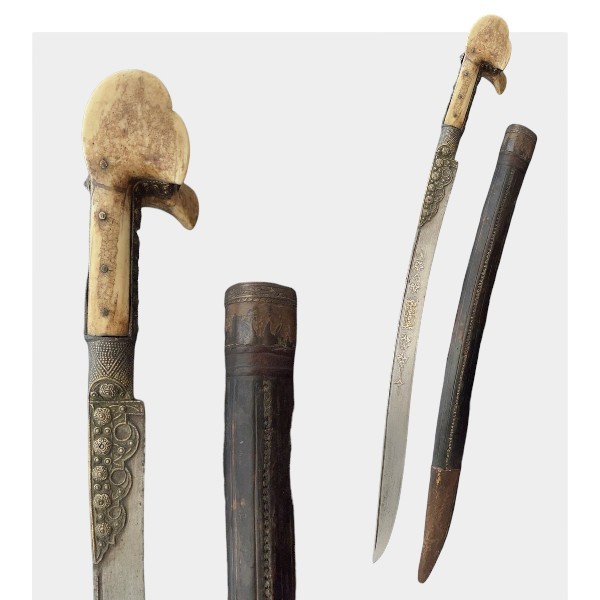
Yatagan of the Ottoman Empire with the inscription: “O Muhammad, be my assistant.” 1824
Original price was: 4,250 $.3,749 $Current price is: 3,749 $. -
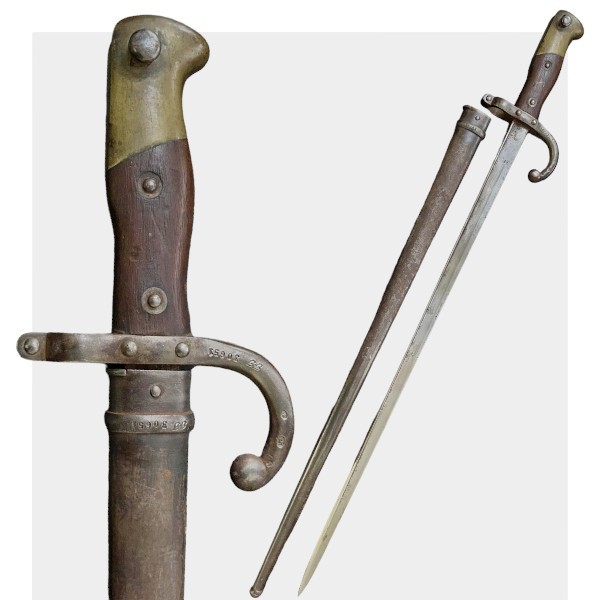
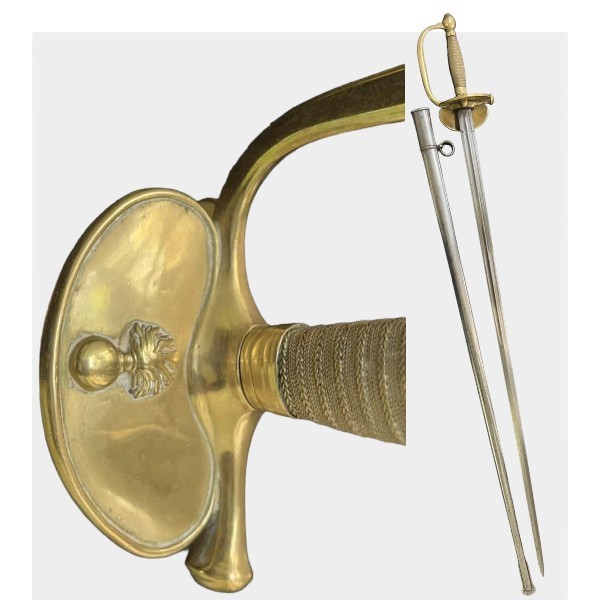
Sword for officers of all branches and administrations model 1872
Original price was: 620 $.600 $Current price is: 600 $.











Updating…
There are no reviews yet.