

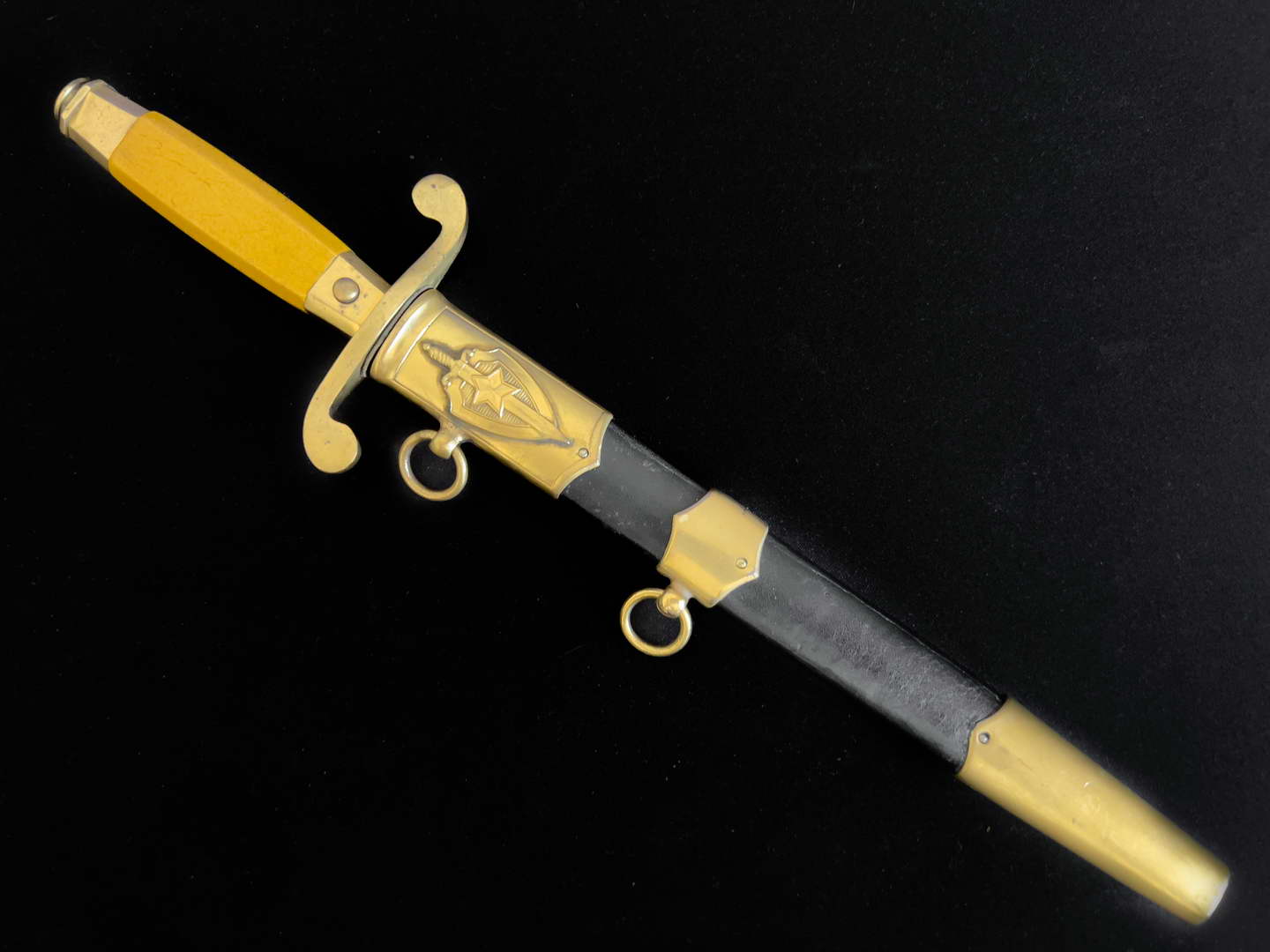
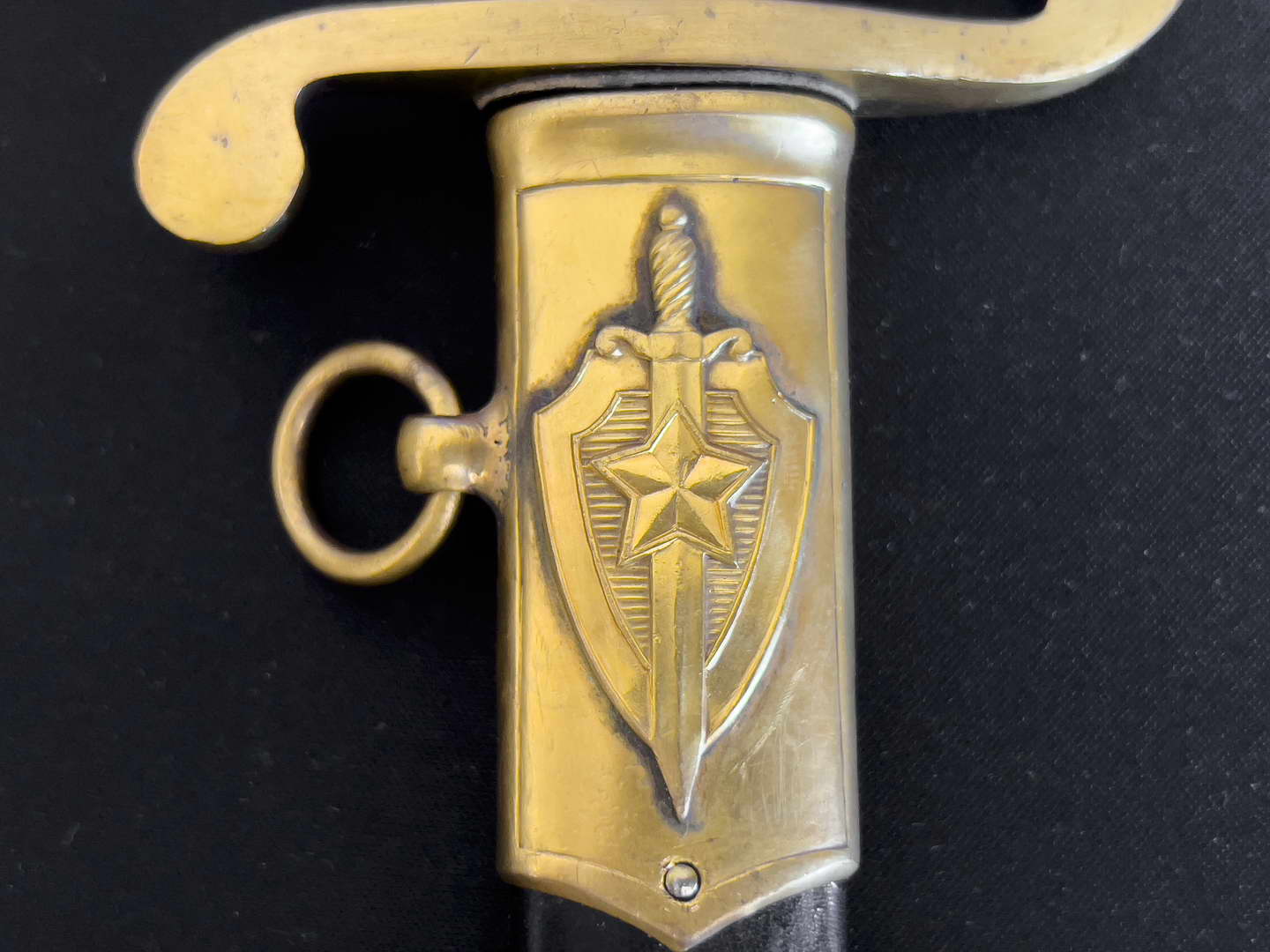
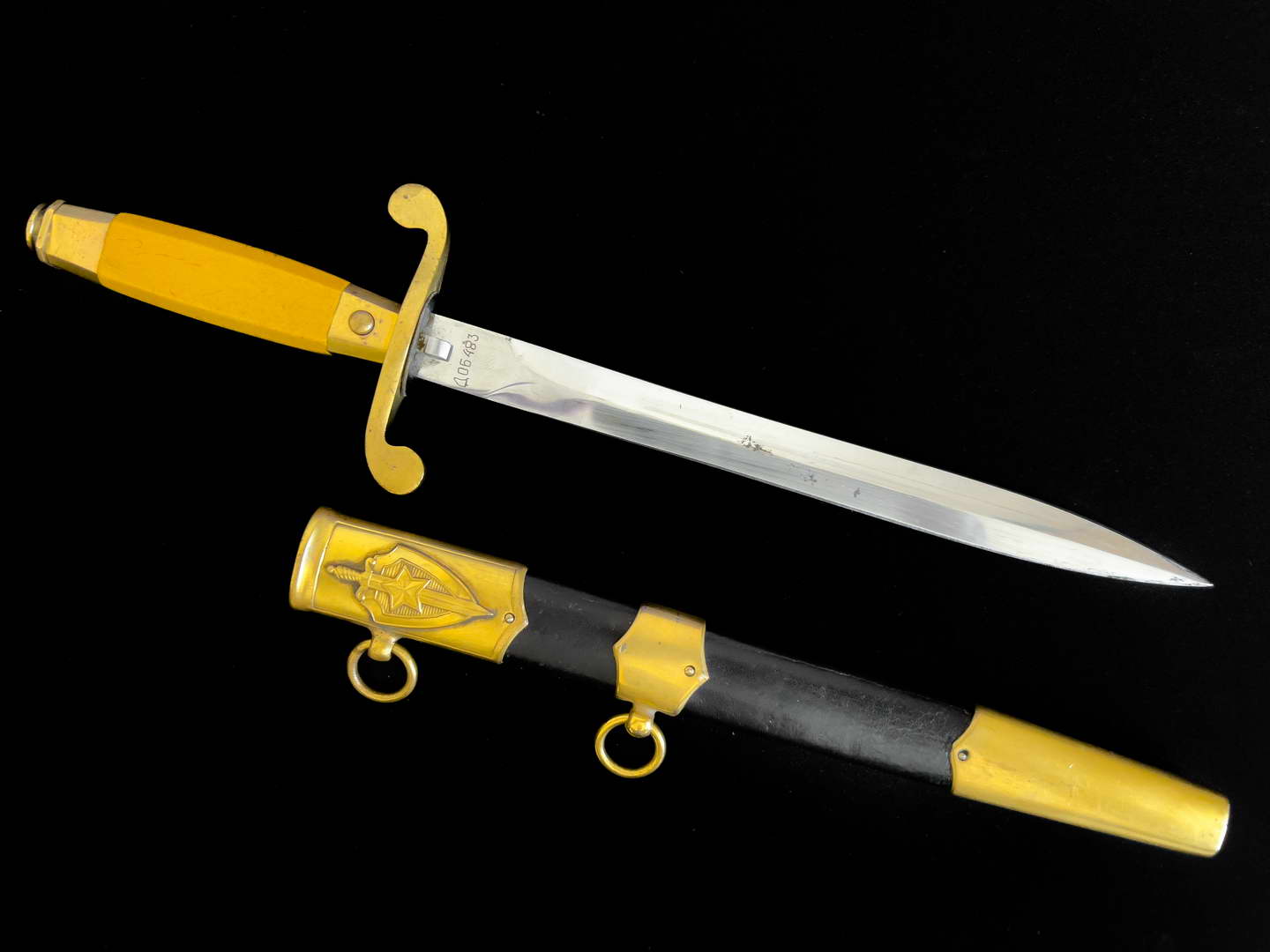
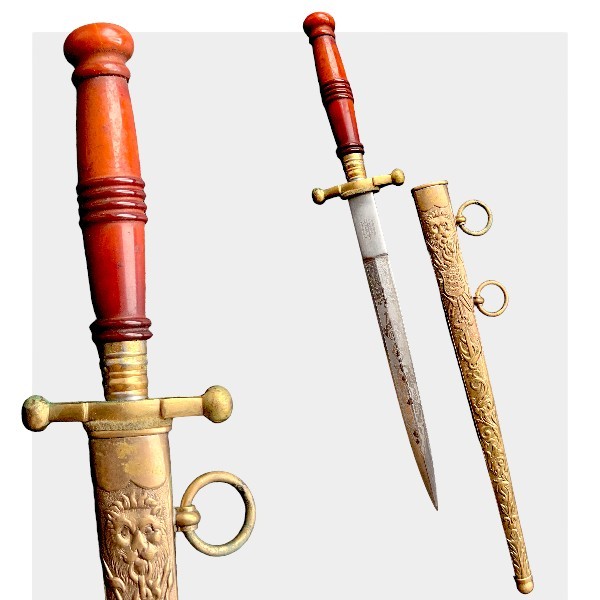
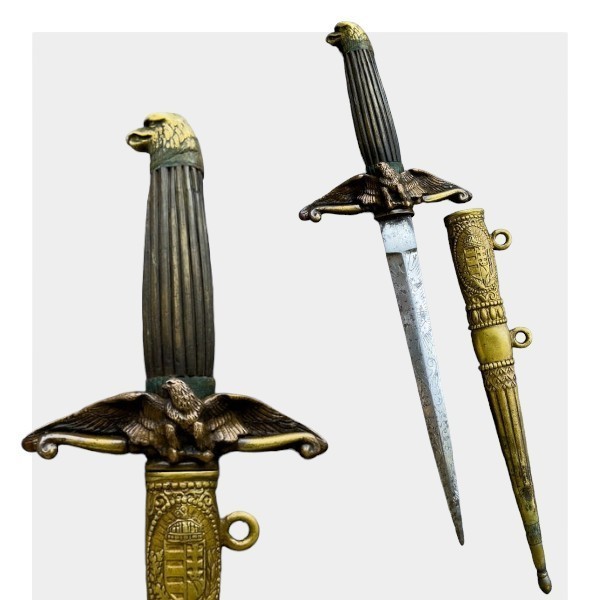
This unique Soviet dagger with an NKVD emblem is perfect for collectors. Go to the photo albumPhotos of the lot on offer are at the very bottom


Soviet Dagger, Non-Standard with NKVD Emblem
Out of stock
Purchase ⚔️ as a Gift? Soviet Dagger Non-Standard with NKVD Emblem for Collecting in Kyiv, Ukraine
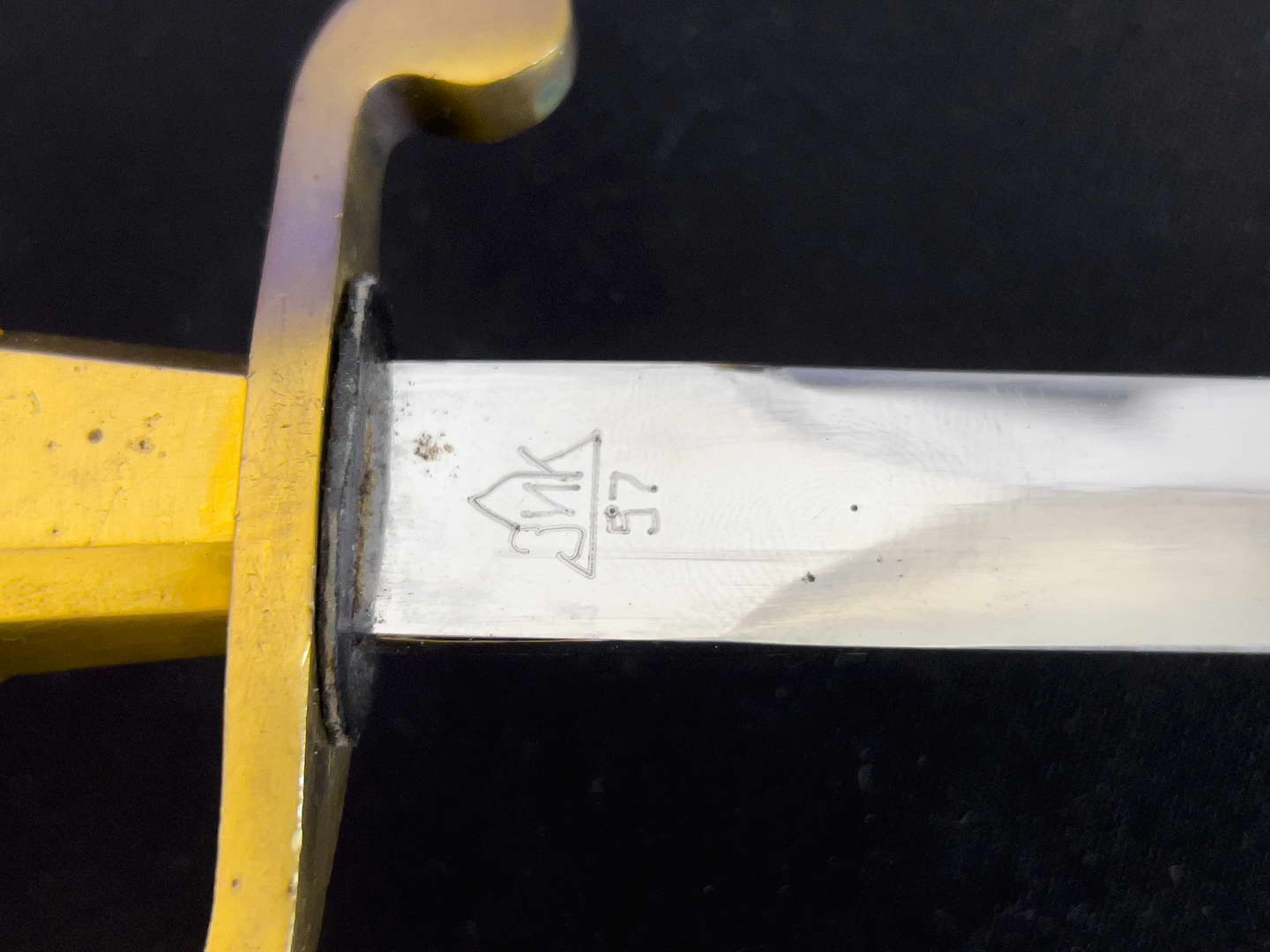
Manufacturer: Unknown.
Country: USSR
Dating: 1957
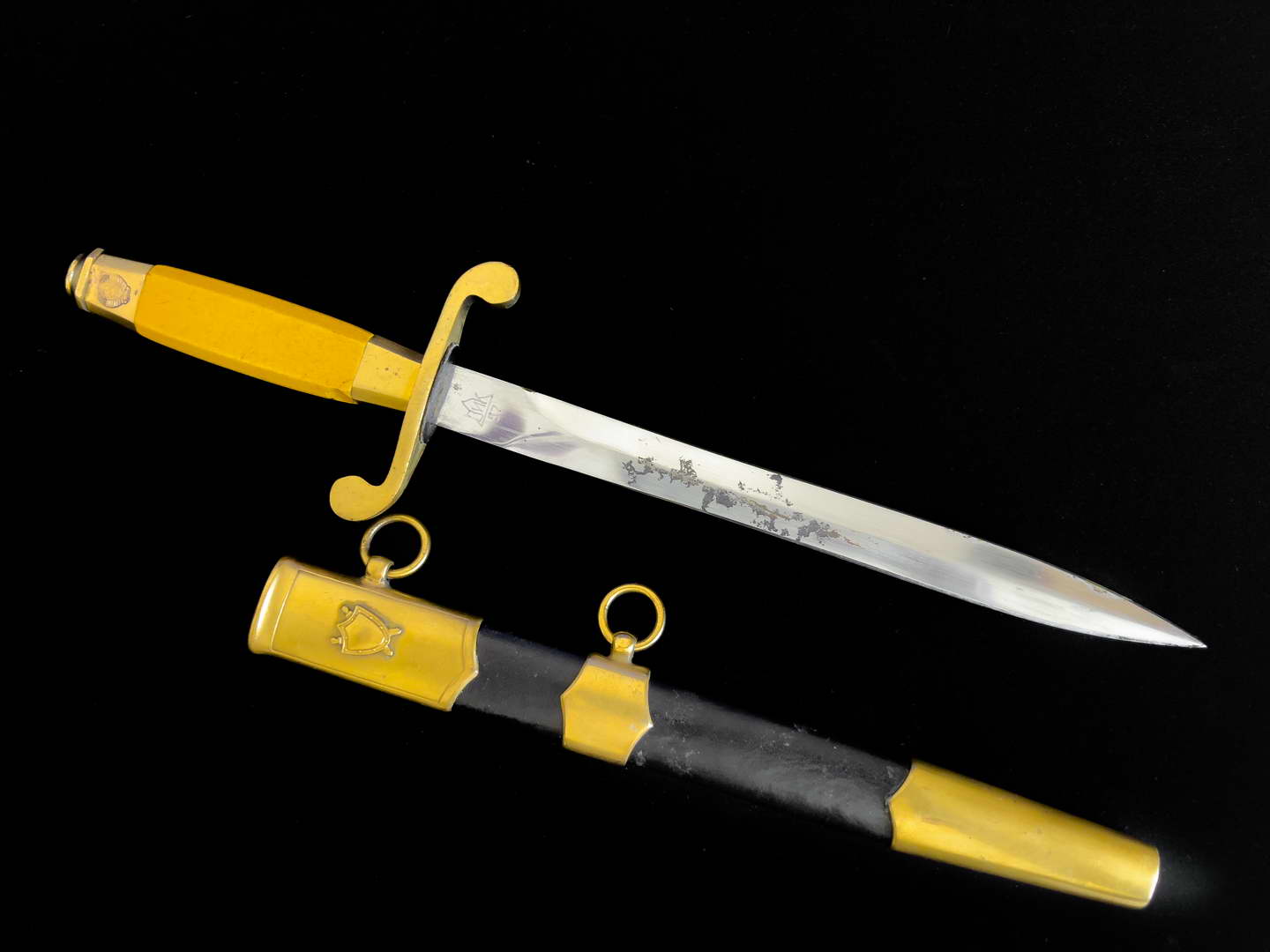
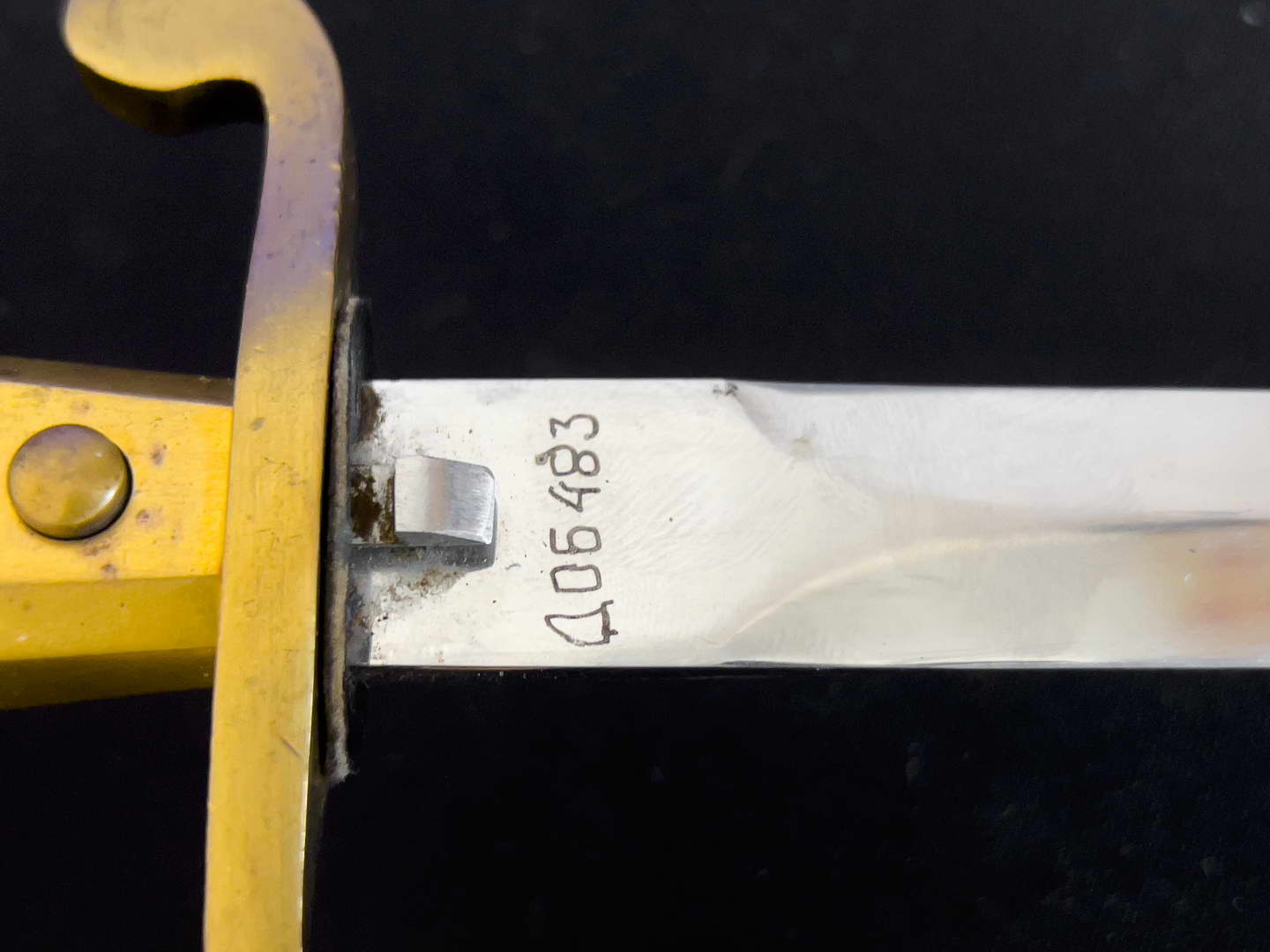
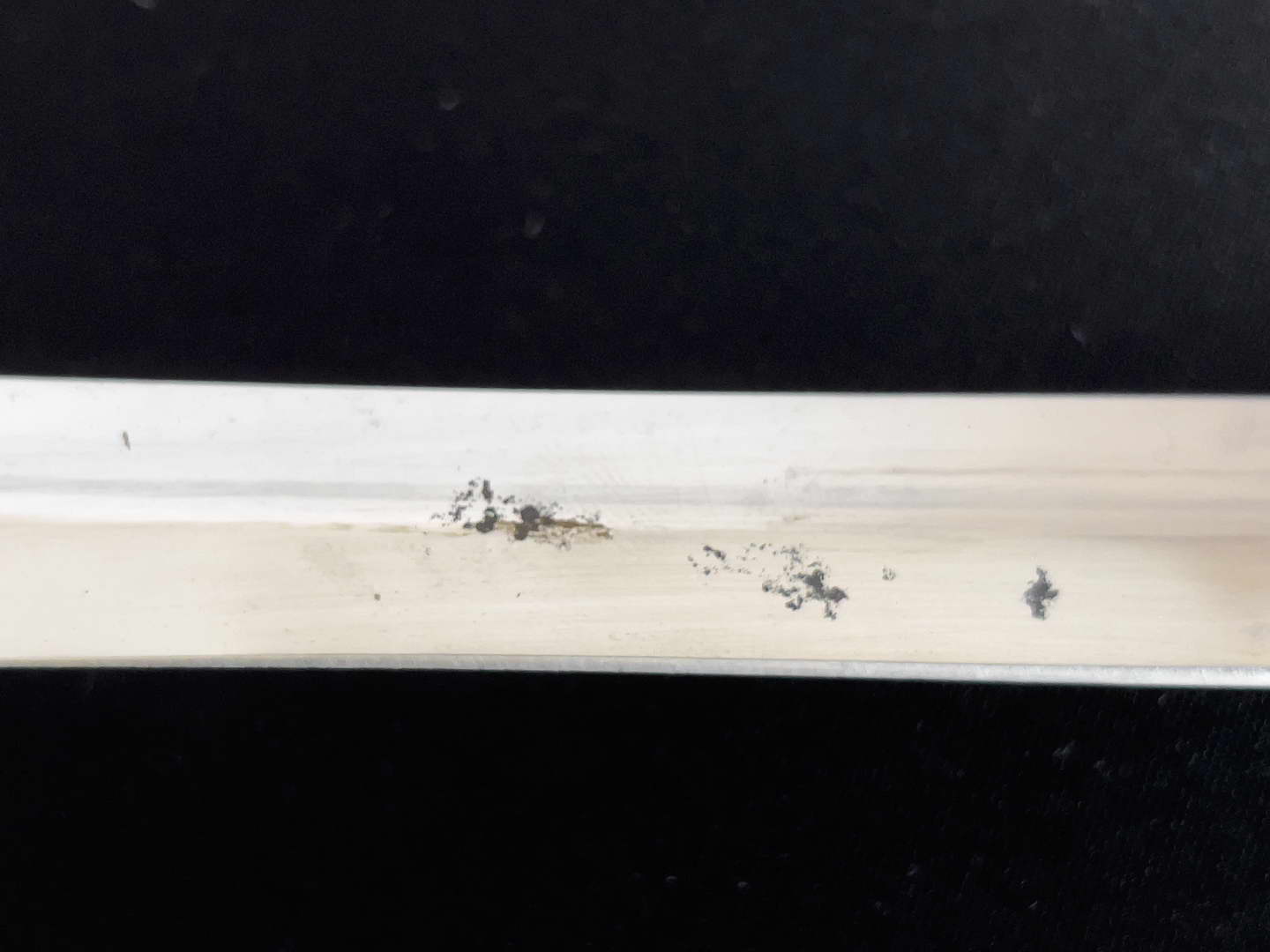
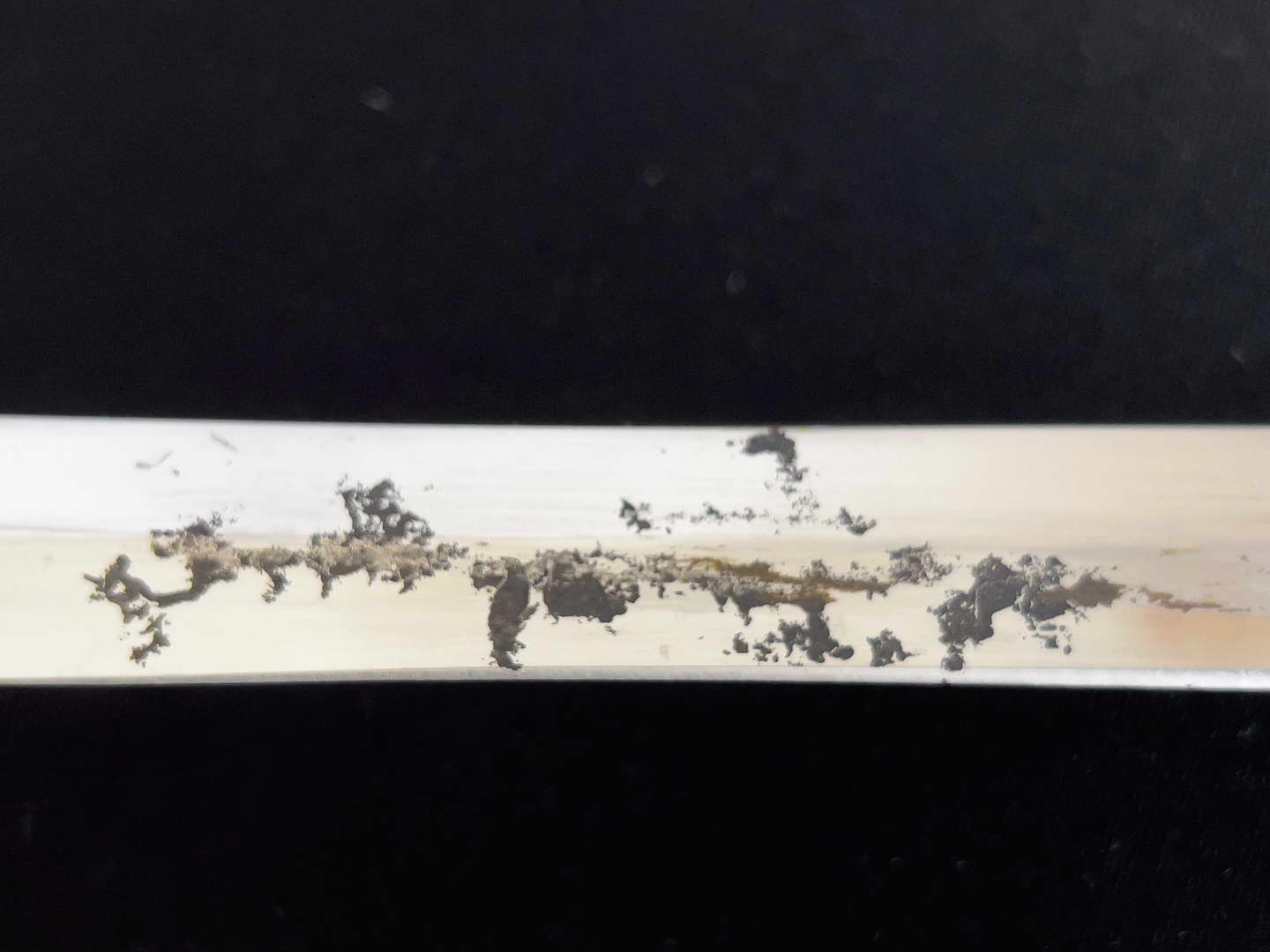
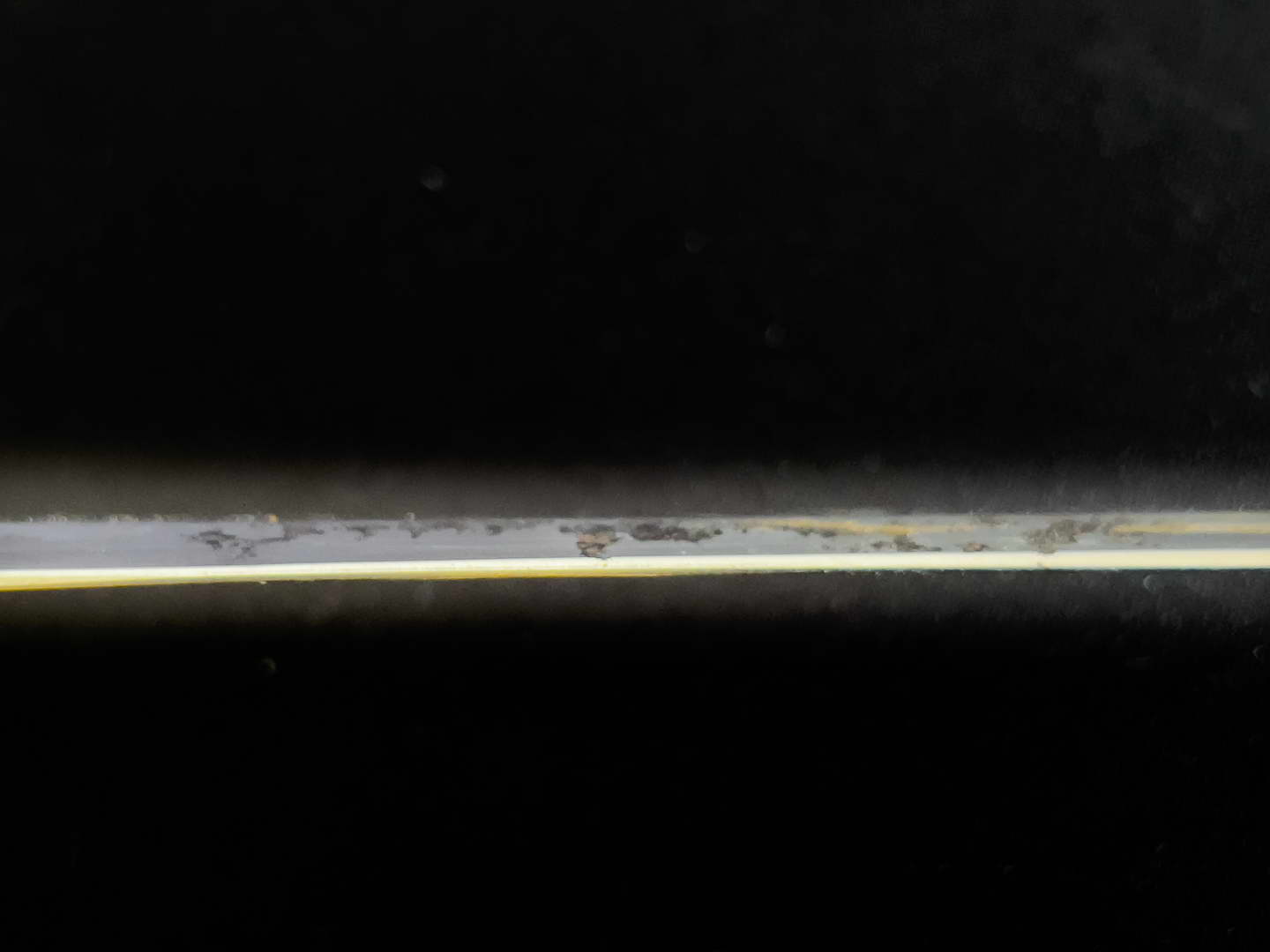
Condition: 6/10 (corrosion on the blade)
Completeness: Dagger with scabbard
Dear Collectors and guests of the Antique Gallery website searching for gifts, particularly Antique Weapons, we present to you:
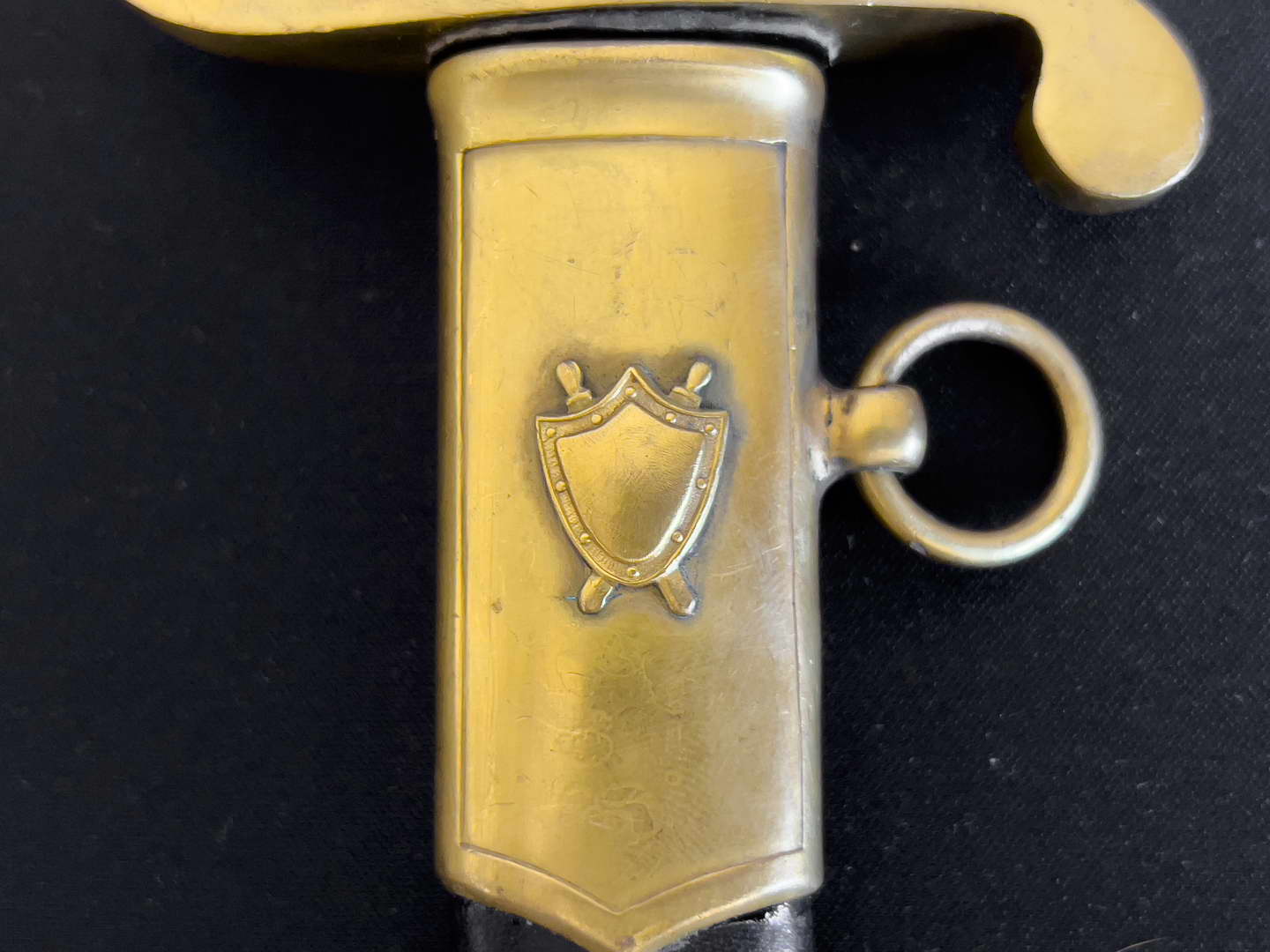
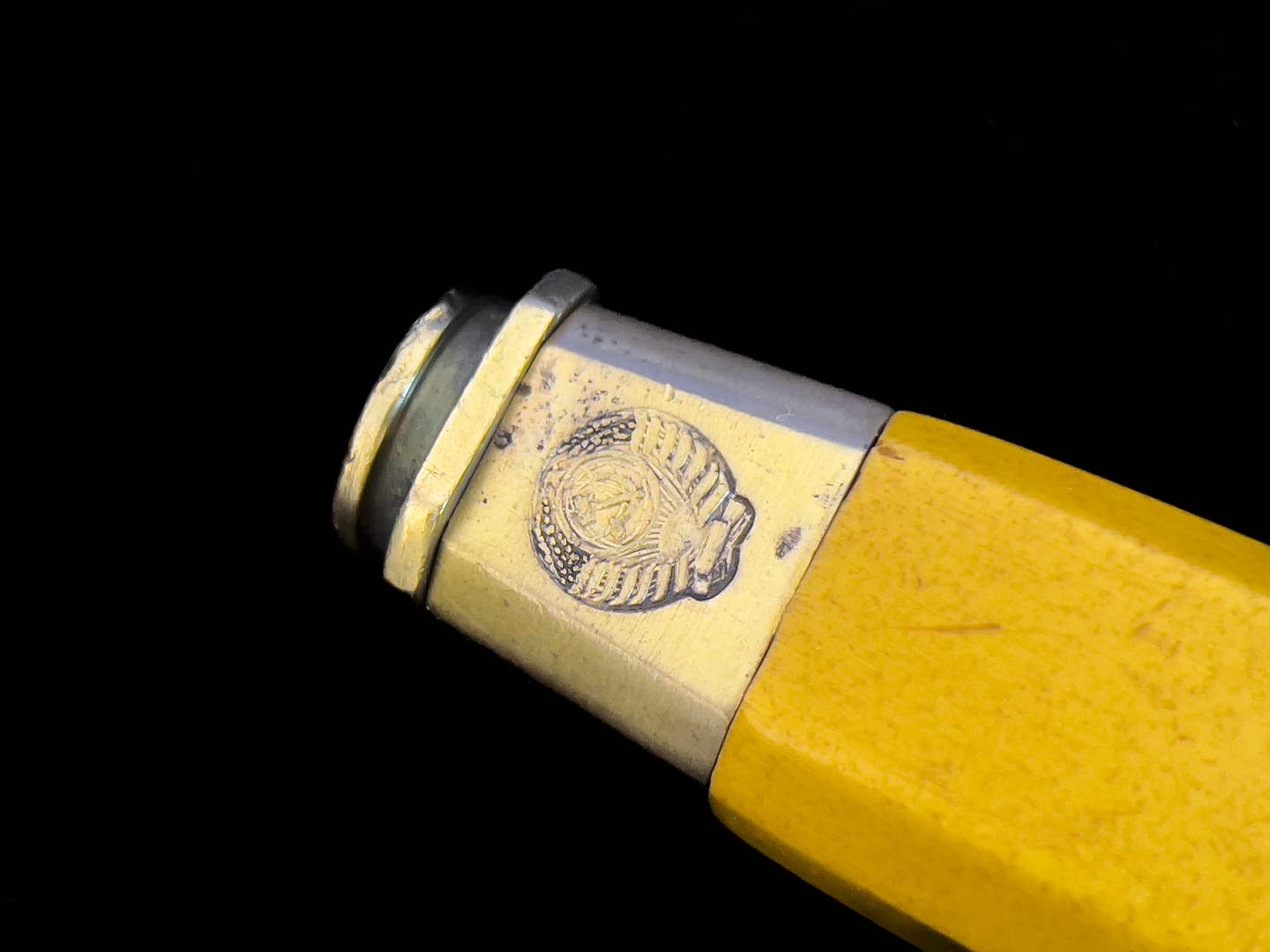
The Soviet dagger is beautifully crafted, non-standard, and this model is not found in catalogs.
Possible custom order! The gilding looks very original.
The dagger is original; the question is only about the design, when and how it was made. It is up to the collector’s discretion.
Historical Note on Non-Standard Daggers of the USSR:
Occasionally, among collectors, there are daggers that closely resemble established Soviet samples but differ entirely or in some details. In most cases, novice collectors see them as forgeries – however, this is not always fair. The origins of such daggers can vary, and many of them are often directly related to the armed forces of the Soviet Union.
First of all, one should consider the disciplinary and financial penalties that threatened a naval officer or army officer for the loss or damage of a dagger. Since the circulation of cold weapons in the Soviet Union was very limited and strictly controlled by competent authorities, the opportunities to acquire a new dagger were minimal. For this reason, officers were forced to resort to the services of army or naval workshops, where a dagger could be entirely crafted or its main parts could be made.
Moreover, it is necessary to take into account the natural desire of every officer to somehow individualize their personal weapon, to distinguish it from identical specimens of the same model. In pre-revolutionary Russia, where the general parameters of approved dagger samples were only approximately adhered to, such practices were widespread.
Depending on personal preferences and the thickness of the wallet, an officer could order various performance options to their taste and independently set the shape and length of the blade, the pattern of etching, ornamentation on the scabbard fittings, and other nuances. In the Soviet Union, where the practice of private orders was absent, the state held a monopoly on the production of statutory cold weapons for the army and navy. Therefore, those wishing to embellish the appearance of their dagger had to rely on their own abilities or turn to the aforementioned workshops, where they could alter the main details or replace them with fundamentally new ones.
Daggers modified in this way can provide insight into their owners’ attitudes toward their weapons. Additionally, a significant portion of unusual daggers, which clearly belong to the Soviet period and repeat the general appearance of established samples, may be the creativity of soldiers and sailors preparing for demobilization who wished to bring home a souvenir to remember their service. Such daggers can represent a distinct direction in the collection of cold weapons, as finding two absolutely identical specimens is very difficult.
Photo Overview:
Go to the top of the ad
Add a review
Be the first to review “Soviet Dagger, Non-Standard with NKVD Emblem”
Related products
-
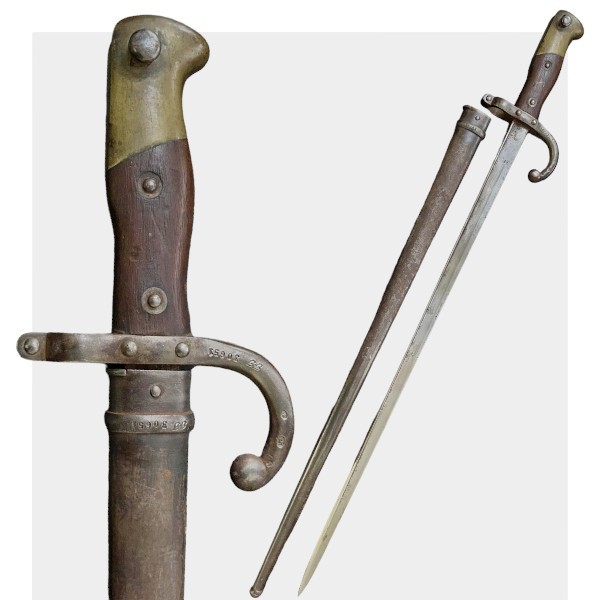
Sword for officers of all branches and administrations model 1872
Original price was: 620 $.600 $Current price is: 600 $.














Updating…
There are no reviews yet.